

Table of Contents
Three-Wheeler – Definition
Three-wheeler buyers can explore various financing options, including three-wheeler loans and auto loans. If you are planning to buy one, take a quick look at three-wheeler loan interest rates before making your purchase.
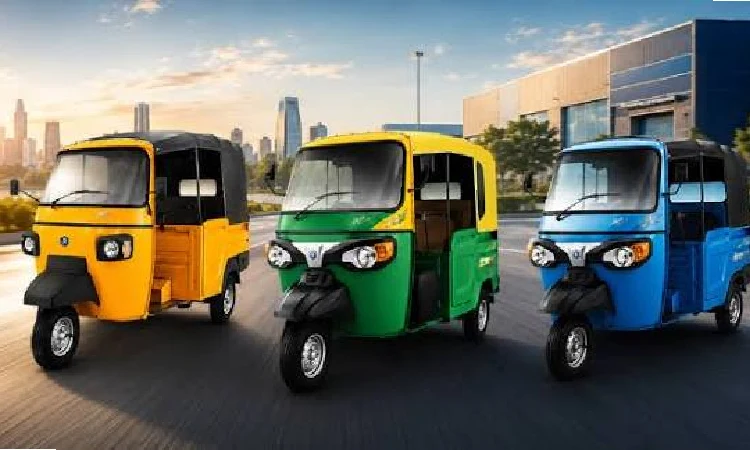
With more automobile companies venturing into the three-wheeler market, Indian roads may soon see even more vehicles, including auto-rickshaws, tempos, and cargo trucks. Three-wheelers are an important mode of transportation for goods and passengers, including services covered under the concept of paid passenger transport.
They require relatively low investment and maintenance costs, making them a cost-effective option for many businesses and drivers. However, a poorly maintained three-wheeler may not last as long and can incur high repair costs. On the other hand, a properly maintained three-wheeler can be more dependable, durable, and safer.
Regular servicing and maintenance can help improve engine efficiency and prevent problems that might otherwise become expensive. Here are some important maintenance tips for your three-wheeler.
Inspect the Engine Oil Regularly
When it comes to three-wheelers, engine performance depends partly on the quality and level of engine oil. Ensure that the oil level remains within the manufacturer’s recommended range. Avoid choosing engine oil based on price alone, and use the grade recommended for your vehicle.
The correct engine oil helps lubricate engine components, reduce wear, and minimise deposits. For vehicles that use a two-stroke engine, the fuel-to-oil ratio must also follow the manufacturer’s instructions. Always use the appropriate oil and fuel mixture where required.
Drive at an Appropriate Speed
A three-wheeler’s engine should be warmed up according to the manufacturer’s guidance before it is subjected to heavy loads or high speeds. Drive at a suitable speed based on road conditions, the vehicle’s load, and its operating limits.
For some vehicles, travelling at around 35 to 40 km/h may be appropriate in certain conditions, but the ideal speed depends on the model and the legal speed limit. Smooth acceleration and avoiding excessive loads can also help extend the vehicle’s service life.
Check Tyre Pressure Regularly
For better performance and a smoother ride, an auto-rickshaw needs the correct tyre pressure. Inadequate or excessive air pressure can affect handling, braking, tyre wear, and safety.
Check the tyres regularly and maintain the pressure recommended by the manufacturer.
The braking system is another critical component of a three-wheeler. Dust and dirt can affect its operation, while worn brake components or insufficient brake fluid, where applicable, can compromise safety. Have the brakes inspected regularly and arrange repairs whenever necessary.
Following these maintenance practices can make your three-wheeler more dependable and safer while reducing the likelihood of breakdowns. Proper maintenance may also help preserve its resale value. A well-maintained vehicle can operate more efficiently and contribute to lower emissions, depending on its engine type and condition.
Take care of your three-wheeler, and it will take care of you.
An Electric Three-Wheeler: A Popular Choice
We are all familiar with auto-rickshaws and their drivers travelling through busy streets to serve commuters looking for affordable transportation. These vehicles have become an integral part of India’s public transport system and play an important role in moving passengers.
However, traditional three-wheelers powered by internal combustion engines (ICE) generally rely on petrol, diesel, or other fuels and produce exhaust emissions. This has encouraged interest in electric three-wheelers as a cleaner alternative at the point of use.
A panel led by NITI Aayog CEO Amitabh Kant previously recommended a phased transition towards electric three-wheelers beginning in March 2023. The broader objective was to reduce urban pollution and encourage the adoption of electric mobility.
An electric three-wheeler offers several potential benefits, including lower running costs and reduced tailpipe emissions. Here is why these vehicles have attracted attention.
Delhi has experienced severe air-pollution episodes, highlighting the need for cleaner transport solutions. With India’s urban population expected to grow, managing traffic emissions is an important concern. Electric three-wheelers can help address this challenge because they do not produce tailpipe emissions while operating.
However, their overall environmental impact also depends on how the electricity used to charge their batteries is generated.
Cost-Effective
Electric three-wheelers can have lower running costs than conventional petrol- or diesel-powered vehicles, depending on electricity prices, fuel costs, usage, and maintenance requirements.
Some electric three-wheelers have historically been advertised at prices starting around Rs. 40,000, while many conventional models cost more than Rs. 1 lakh. Actual prices vary depending on the vehicle, battery, features, location, and applicable incentives.
A CRISIL Research report previously highlighted the potential growth of electric three-wheelers in India, with estimates suggesting that they could account for up to 17% of new three-wheeler sales by 2024. The growth of this segment depends on factors such as purchase price, charging availability, operating costs, and customer demand.
Easy to Maintain
Electric three-wheelers can provide an attractive ownership proposition because electric drivetrains generally have fewer moving parts than conventional internal combustion engines. This can reduce certain routine maintenance requirements.
For example, a driver earning Rs. 800 per day may retain more of that income if the vehicle’s operating expenses are lower. The actual savings depend on electricity costs, battery condition, repairs, financing, and other expenses.
Before buying a used utility vehicle or a small vehicle for business purposes, it is also worth reviewing practical considerations such as its condition, maintenance history, and expected running costs. Our guide to buying a used golf cart covers related considerations when evaluating a used vehicle.
The Design of a Three-Wheeler
Electric three-wheelers are designed to provide practical transportation for both drivers and passengers. Depending on the model, the seating layout, suspension, battery placement, and additional features can influence comfort and convenience.
Some electric rickshaws feature back-to-back seating arrangements and accessible footrests to make passenger entry and exit easier. Models such as the Comfort DLX Battery Rickshaw have been described as offering dual suspension to improve ride comfort and stability.
Other features may include twin-speed modes, a swappable battery tray, a reverse horn, hazard switches, an additional wheel, and battery options designed to support different driving ranges.
Safety and convenience equipment can vary between models. Some vehicles may include GPS, a fire extinguisher, a tool kit, and a first-aid kit. Additional features, such as a USB-supported music system, FM radio, mobile charger, and cabin light, may also be available.
The exact features depend on the manufacturer’s specification and the particular variant.
Comfortable Passenger Space
A comfortable passenger area can improve the overall travel experience. Seat design, upholstery, legroom, and ease of entry all contribute to passenger comfort.
For three-wheelers used for commercial passenger transport, these details can be especially important because the vehicle may be in use throughout the day.
Electric cargo three-wheelers also serve a growing role in goods transportation. Mahindra Electric Mobility CEO Suman Mishra previously highlighted the company’s e-Alfa Cargo e-cart as a response to customer requirements in this segment.
The e-Alfa Cargo was introduced as an electric cargo solution designed to reduce operating costs and pollution at the point of use. The model was reported to offer a payload capacity of 310 kg and a driving range of up to 80 km. Actual range and carrying capacity can depend on operating conditions, battery condition, and load.
Conclusion
The electricity used to charge battery-electric vehicles and plug-in hybrid vehicles comes from power grids that rely on a mix of energy sources, ranging from fossil fuels to renewable energy. These energy sources vary by region, meaning that the overall carbon footprint of driving an electric vehicle depends partly on how its electricity is generated.
Three-wheelers remain important for passenger transport and goods delivery because they can offer practical mobility in crowded urban areas and commercial settings. Choosing the right vehicle involves considering its purchase price, operating costs, capacity, comfort, safety, and maintenance requirements.
Regular servicing can help extend a three-wheeler’s useful life, while an electric model may offer lower running costs depending on its usage and charging arrangements. Before making a purchase, compare available models and consider how the vehicle will meet your everyday needs.
Vehicle technology continues to evolve across different categories, from electric three-wheelers to passenger cars. For related reading, explore our articles on how the start button works in cars, front-wheel drive in cars, and the ultimate camping car.