

Table of Contents
Camping Car – Introduction
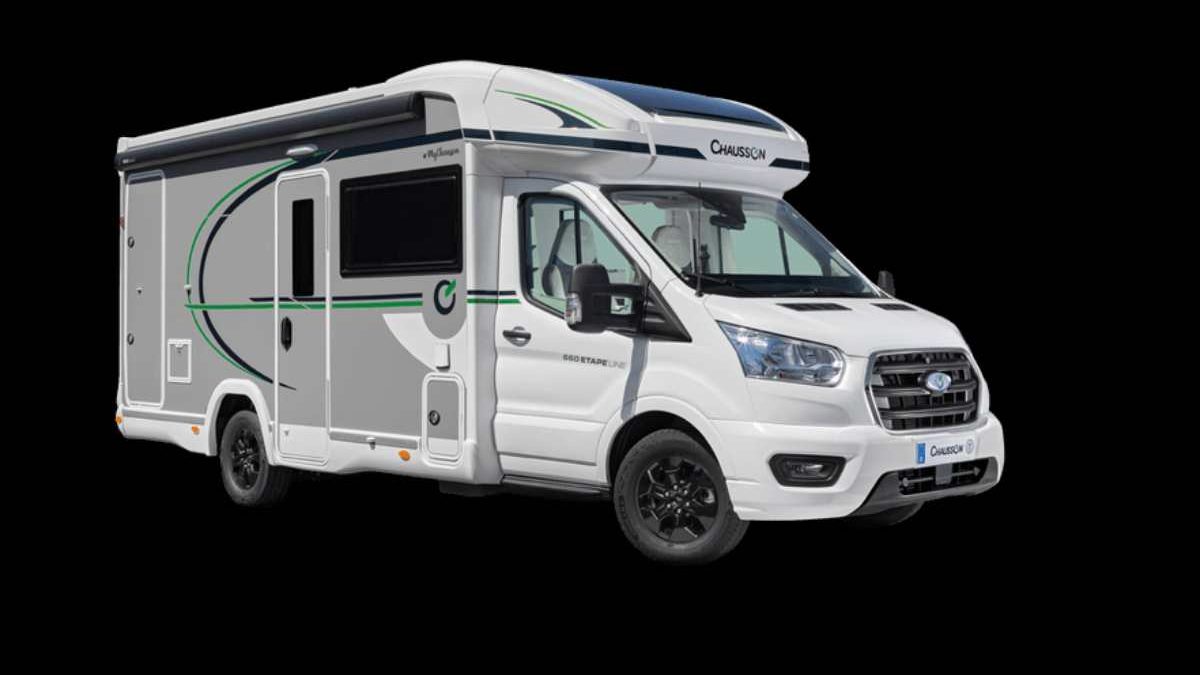
If you are looking for the perfect camping car for your next outdoor adventure, there are many factors to consider. From budgeting and ownership costs to amenities and features, choosing the right camping car can make all the difference between a good trip and a great one. This guide covers the essentials to help you make an informed decision when finding the ultimate camping car.
Space and Comfort of a Camping Car
Camping is about having the freedom to explore, so it is vital to ensure that you are comfortable in your vehicle and that there is enough room for everyone travelling with you. Consider factors such as how many passengers can comfortably fit in the car, how much storage space is available, and whether the seats recline to provide additional comfort.
Roof space is also crucial for a comfortable journey because it can provide extra storage for items such as camping gear and additional luggage. Roof tents or pop-up tents are great ways to save interior space and enjoy a comfortable night’s sleep. Companies such as Kilampere offer roof tents in various designs to suit different camping and travel needs.
Your choice should also depend on the terrain you plan to explore and whether your preferred camping car has suitable off-road capabilities. If you expect to travel on rough roads, gravel tracks, or uneven surfaces, consider the vehicle’s ground clearance, suspension, tyres, and drivetrain. Understanding the difference between drivetrain configurations, including front-wheel drive in cars, can help you decide whether a particular vehicle suits your intended journeys.
Safety Features of a Camping Car
Safety is crucial when purchasing any type of vehicle, including a camping car. Ensure that your vehicle has appropriate safety features, such as anti-lock braking systems (ABS), airbags, anti-theft systems, and other driver-assistance technologies.
It is also essential to check whether roadside assistance is available if you encounter problems during your journey. Travelling through remote areas can make access to repair services more difficult, so having a plan for breakdowns and emergencies is important.
Consider checking the National Highway Traffic Safety Administration’s (NHTSA) five-star safety ratings if you are purchasing a vehicle covered by its rating programme. These ratings provide information about crash-test performance and can help you compare vehicle safety. Always check the specific model year and available safety equipment, as ratings and features may vary between versions.
Before leaving for a camping trip, inspect the tyres, brakes, lights, spare wheel, and emergency equipment. Proper preparation can help reduce the risk of unexpected problems along the way.
Technology and Features
Ensuring that your camping car has the necessary features and amenities for a comfortable journey is important. These may include navigation systems, USB chargers, Bluetooth connectivity, air conditioning, and satellite radio.
You should also consider whether the vehicle is compatible with smartphone services such as Apple CarPlay and Android Auto. These features can make it easier to access navigation, music, calls, and other supported applications while travelling.
Some camping cars may also include additional features such as a reversing camera, heated seats, and blind-spot monitoring systems to make journeys more convenient and enjoyable.
Before making a decision, weigh the benefits and costs of each feature. For example, advanced driver-assistance technology may improve convenience, while extra entertainment systems and luxury features could increase the purchase price.
Consider which features you will actually use during your trips and choose a vehicle that meets your practical needs.
Reliability
Nothing ruins a camping trip more than being stranded in a remote location because your vehicle breaks down. It is essential to research your options and invest in a reliable camping car capable of handling the terrain and conditions you expect to encounter.
Check customer reviews, research service costs, and compare dealership warranties. You should also investigate the availability of spare parts and qualified mechanics, particularly if you plan to travel far from major towns or cities.
If you are considering a compact vehicle for shorter trips or recreational use, learning about other vehicle categories can also help you compare your options. Our guide explaining what a three-wheeler is introduces another type of vehicle used for practical transportation, although a three-wheeler may not be suitable for the same camping requirements as a dedicated camping car.
Investing in a reliable vehicle and maintaining it properly can help you enjoy years of safer, less stressful travel.
Fuel Economy
With fuel costs affecting travel budgets, it is essential to consider your camping car’s fuel efficiency. A few simple steps can help you reduce fuel consumption and manage your expenses.
First, research different vehicles and compare their official fuel-economy ratings. In the United States, Environmental Protection Agency (EPA) ratings provide estimates of how efficiently vehicles use fuel under standard testing conditions. Actual consumption may differ depending on driving habits, road conditions, vehicle load, and weather.
Electric vehicles are becoming increasingly popular and can offer an alternative to petrol- and diesel-powered vehicles. Some electric vehicles may be suitable for camping trips, especially when you have access to charging facilities along your route or at your destination.
However, an electric camping car may be less convenient for remote journeys where charging stations are limited. Before choosing one, assess its driving range, charging time, access to charging points, and the extra energy required when carrying camping equipment or towing a trailer.
Hybrid vehicles may also be worth considering if you want to balance fuel efficiency with the flexibility of travelling longer distances.
Budget and Cost of Ownership
Your budget should include more than the vehicle’s purchase price. Consider insurance, fuel or electricity, registration, servicing, repairs, tyres, and any accessories you need for camping.
Additional expenses may include roof tents, roof racks, sleeping equipment, portable power supplies, and storage solutions. It is also worth setting aside money for unexpected repairs or roadside assistance.
If you plan to use your vehicle for activities beyond recreational travel, consider how those uses might affect your requirements. For example, some people also use vehicles for passenger transport or other commercial purposes. Our guide to paid passenger transport explains some of the considerations associated with transporting passengers for payment, including insurance and relevant requirements.
Choosing a vehicle that fits your budget and planned activities can help prevent unexpected expenses from affecting your travel experience.
Conclusion
Choosing the ultimate camping car requires careful consideration of space, comfort, safety, technology, reliability, fuel economy, and overall ownership costs. Research different models, compare their specifications, and ask questions about maintenance, warranties, and available features before making a purchase.
Think about the destinations you intend to visit, the number of people travelling with you, the equipment you need to carry, and whether you will encounter rough terrain or limited charging facilities.
With the right preparation and a vehicle suited to your requirements, you can enjoy more comfortable, dependable, and memorable outdoor adventures. Take the time to compare your options and choose a camping car that fits your lifestyle, travel plans, and budget.