

A front-wheel-drive (FWD) layout is an arrangement of the engine and transmission in which the engine’s power is delivered to the vehicle’s front wheels. These vehicles are commonly referred to as FWD cars. In some cases, they are also described as 4×2 vehicles because two of the four wheels are powered.
Table of Contents
What Does 4×2 Mean Technically?
The term 4×2 generally refers to a vehicle with four wheels and two driven wheels. In a front-wheel-drive car, the front wheels receive engine power, while the rear wheels are not powered by the engine.
Front-wheel-drive cars became popular partly because of their potential fuel-efficiency advantages, compact design, and lower manufacturing costs. Compared with some all-wheel-drive and four-wheel-drive vehicles, FWD cars often weigh less and have fewer drivetrain components, which can help reduce fuel consumption.
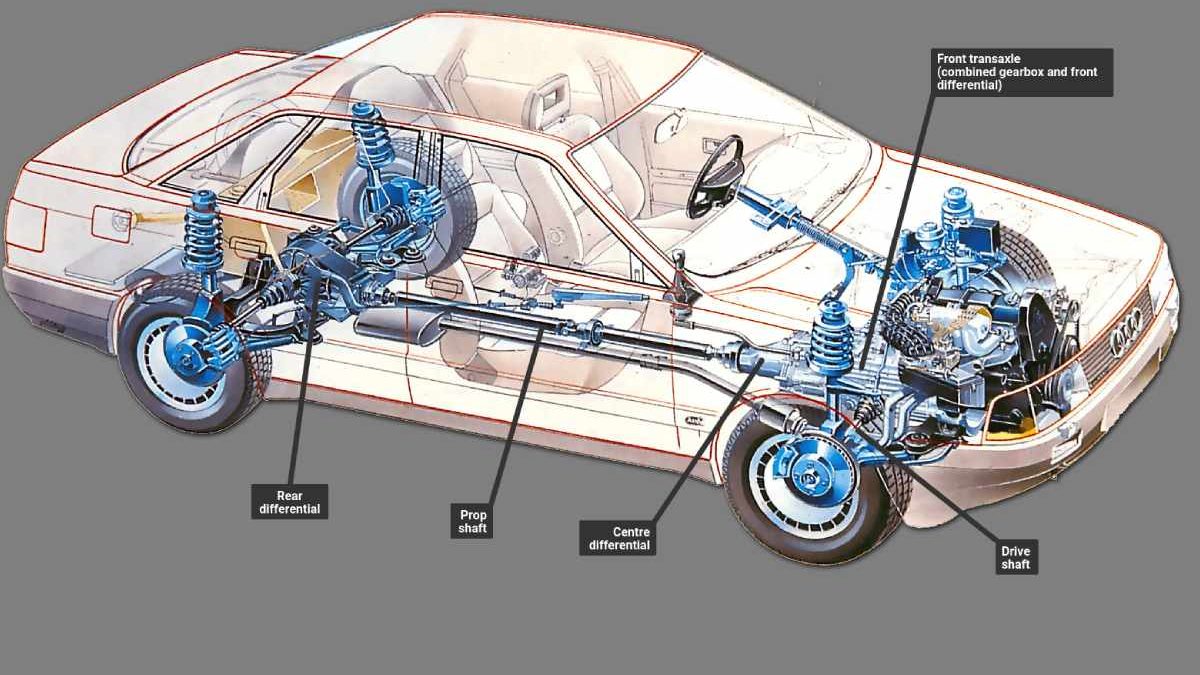
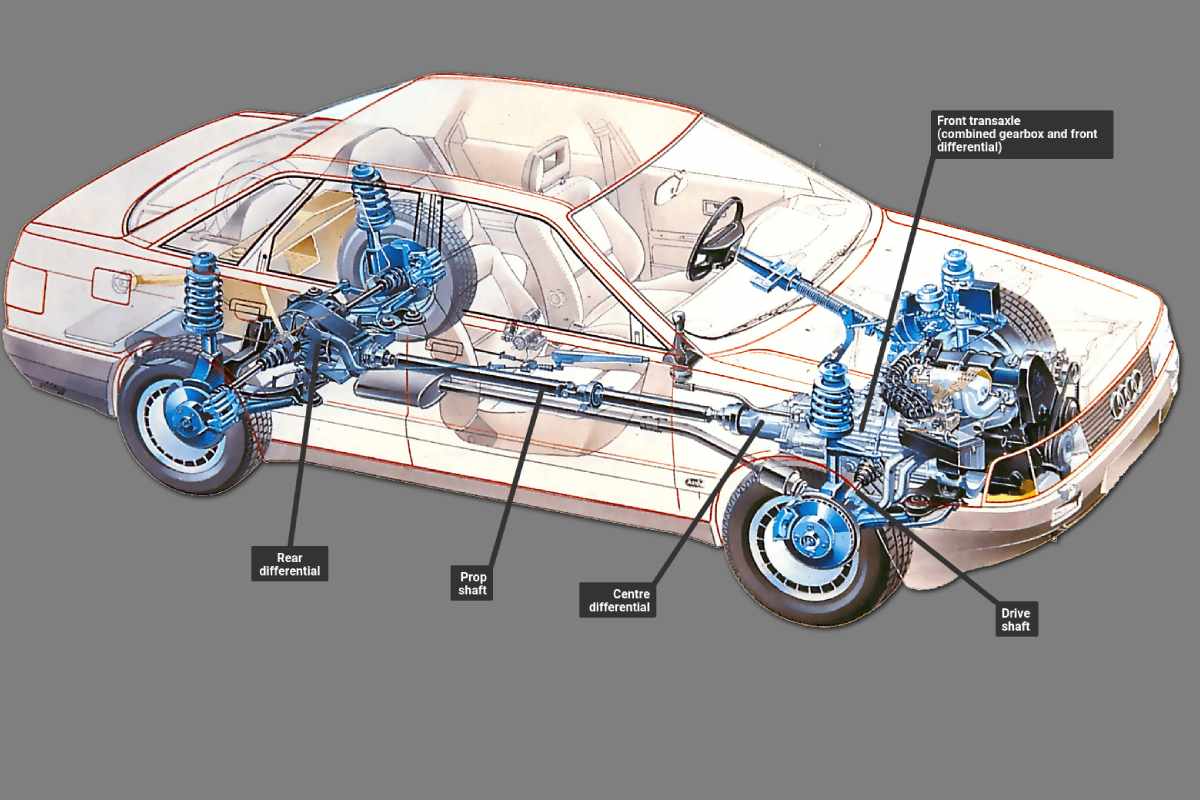
In a typical FWD layout, the engine is mounted near the front axle. The engine connects to a transaxle, which combines the functions of the transmission and differential. The differential distributes power to the front wheels through drive shafts.
Because the engine and transmission are usually located together at the front, the system can be compact and leave more room for passengers and luggage.
Possible Arrangements in an FWD Layout
Depending on the position of the engine and transmission, front-wheel-drive vehicles can have several arrangements:
- Transversely mounted engine with front-wheel drive: The engine sits across the width of the vehicle. This is a common arrangement in modern passenger cars.
- Longitudinally mounted engine with front-wheel drive: The engine is positioned along the length of the vehicle, with power delivered to the front wheels.
- Mid-mounted engine with front-wheel drive: This is an uncommon configuration because mid-engine layouts are more typically associated with rear-wheel drive or specialised vehicle designs.
The choice of layout affects packaging, handling, available cabin space, and manufacturing complexity.
Advantages of Front-Wheel Drive
FWD cars offer several advantages that make them popular for everyday driving.
Better Traction in Many Slippery Conditions
In a front-wheel-drive vehicle, the engine and transmission are usually positioned over or near the front axle. This places a significant amount of the vehicle’s weight over the driven wheels, which can help provide traction on wet or slippery roads.
However, tyre condition, tread design, road conditions, and driving technique also play important roles in determining grip. FWD does not eliminate the risk of skidding on snow, ice, or wet surfaces.
Compact Design
One of the biggest advantages of front-wheel drive is its compact drivetrain design. The engine, transmission, and differential can be packaged together at the front of the vehicle.
This arrangement eliminates the need for a long driveshaft running to the rear axle, making it easier for manufacturers to design a compact vehicle with more usable passenger and luggage space.
Lower Vehicle Weight
FWD vehicles generally have fewer drivetrain components than comparable all-wheel-drive or four-wheel-drive vehicles. This can reduce vehicle weight and improve fuel economy.
Lower weight can also contribute to responsive handling and lower manufacturing costs, depending on the vehicle’s design.
Predictable Everyday Handling
Because the front wheels provide both steering and driving force, many FWD cars offer predictable handling in everyday driving conditions.
The front wheels pull the vehicle forward while directing it through turns. For many drivers, this makes FWD a practical choice for commuting, city driving, and general family use.
Disadvantages of Front-Wheel-Drive Cars
Despite its advantages, front-wheel drive has some limitations.
Uneven Tyre Wear
The front tyres perform two jobs: they steer the vehicle and transfer engine power to the road. They also often carry a larger share of the vehicle’s weight.
As a result, front tyres may wear faster than rear tyres. Regular tyre inspections, correct inflation, wheel alignment, and tyre rotation according to the manufacturer’s recommendations can help manage uneven wear.
Reduced Traction Under Heavy Acceleration
During hard acceleration, weight shifts towards the rear of the vehicle. This can reduce the load on the front wheels and affect their ability to transfer power to the road.
In powerful FWD cars, excessive acceleration may cause wheelspin or torque steer, a tendency for the steering wheel to pull to one side under acceleration.
Limitations on Rough Terrain
Front-wheel-drive cars can handle ordinary paved roads and some light gravel surfaces, but they are generally not designed for demanding off-road conditions.
Deep mud, loose sand, steep slopes, and uneven tracks can challenge their traction and ground clearance. Drivers who frequently encounter these conditions may benefit from considering an all-wheel-drive or four-wheel-drive vehicle designed for that purpose.
How to Choose the Right Drivetrain for Your Driving Needs
A front-wheel-drive car or crossover is suitable for many drivers and everyday driving conditions. However, your location, weather, driving habits, and intended use should influence your choice.
If you regularly drive on snow-covered roads or in areas with severe weather, an all-wheel-drive version of the same or a similar vehicle may offer additional traction. All-wheel drive can distribute power to all four wheels, although it does not replace suitable tyres or careful driving.
Rear-wheel drive is often found in performance cars, sports sedans, and vehicles designed to handle higher power levels. Four-wheel drive is common in vehicles designed for challenging terrain, including muddy tracks, loose sand, rocky surfaces, and steep inclines.
The key differences are:
- FWD: Often practical, efficient, and cost-effective for everyday driving.
- RWD: Often used in performance vehicles and some larger vehicles, with rear wheels providing propulsion.
- AWD: Can distribute power between the front and rear wheels automatically or through a controlled system to improve traction in changing conditions.
- 4WD: Commonly used in off-road vehicles and designed to provide traction across challenging surfaces, with system capabilities varying by model.
Before making a decision, compare the vehicle’s performance, fuel economy, maintenance costs, and suitability for the roads you use most frequently. A dealership or qualified automotive specialist can help you test different configurations and understand which system best meets your needs.
The Differences Between Front-Wheel Drive and Rear-Wheel Drive
Historically, many vehicles manufactured and sold in the United States used rear-wheel drive (RWD). A common arrangement placed the engine at the front, the transmission behind it, and a driveshaft running to the rear axle to power the back wheels.
Some smaller cars, such as older Volkswagen models, used rear-engine layouts with rear-wheel drive. However, modern passenger cars use a variety of drivetrain configurations.
Front-Wheel Drive (FWD)
In a front-wheel-drive car, the engine is typically under the bonnet, and the transmission delivers power directly to the front wheels.
FWD became increasingly popular because it enables manufacturers to create a compact engine compartment and reduce the space required for drivetrain components inside the passenger cabin.
Without a long driveshaft extending to the rear axle, the cabin floor can be flatter, although exhaust systems and other components may still require space beneath the vehicle.
Front-wheel drive can also provide useful traction on wet or slippery roads because the front wheels carry a substantial amount of the vehicle’s weight.
Since the front wheels steer and propel the vehicle, however, they must divide their available grip between cornering and acceleration. Heavy acceleration while turning can therefore reduce the grip available for steering.
Rear-Wheel Drive (RWD)
In a rear-wheel-drive vehicle, engine power is delivered to the rear wheels. In a common front-engine RWD layout, the transmission connects to a driveshaft that sends power to the rear differential.
RWD is widely used in many sports cars, performance sedans, and certain commercial vehicles.
One advantage is that the front wheels are primarily responsible for steering, while the rear wheels provide propulsion. This separation can offer handling benefits, particularly in performance-oriented vehicles.
During acceleration, weight shifts towards the rear, which can increase the load on the driven wheels and improve traction in some circumstances. However, actual acceleration depends on many factors, including engine power, tyres, gearing, vehicle weight, and traction-control systems.
RWD layouts can require additional drivetrain components and may create a raised floor section or transmission tunnel, depending on the design.
Performance: Rear-Wheel Drive Versus Front-Wheel Drive
Rear-wheel drive is common in sports cars and performance sedans because it can provide desirable handling characteristics and help manage high engine power.
Experienced drivers may use the power delivered to the rear wheels to influence the vehicle’s behaviour through a corner. However, excessive acceleration can also cause the rear wheels to lose grip, so careful driving is essential.
FWD vehicles often provide practical advantages in everyday driving, while RWD vehicles may offer performance benefits in certain applications.
Neither layout is automatically faster in every situation. Acceleration depends on the vehicle’s power, weight, tyres, gearing, suspension, surface conditions, and electronic systems. For example, a powerful RWD vehicle may benefit from rearward weight transfer during acceleration, while a well-engineered FWD vehicle may perform very effectively within its design limits.
Interior space also varies by model. Some FWD vehicles offer spacious cabins because of their compact drivetrain, while some RWD vehicles prioritise performance-oriented seating, driving controls, and chassis design.
Differences Between FWD, RWD, AWD, and 4WD
Each drivetrain system is designed for particular requirements.
Front-Wheel Drive
FWD powers the front wheels and is common in compact cars, family sedans, and crossovers. Its key advantages often include efficient packaging, lower weight, and practical running costs.
Rear-Wheel Drive
RWD powers the rear wheels. It is commonly used in performance vehicles and some larger vehicles where handling characteristics, load distribution, or vehicle design make this arrangement suitable.
All-Wheel Drive
AWD systems can deliver power to both the front and rear wheels. Some systems operate automatically and adjust power distribution according to traction requirements, while others use more specialised control strategies.
AWD can be helpful on wet roads, snow, and other slippery surfaces, but it does not necessarily improve braking distance. Suitable tyres and careful driving remain essential.
Four-Wheel Drive
Four-wheel-drive systems are often designed for vehicles that may encounter challenging off-road terrain. Depending on the system, they can offer selectable driving modes, low-range gearing, and other features intended to help the vehicle move across loose or uneven surfaces.
These features can be especially useful for vehicles designed for demanding conditions, but not every 4WD vehicle has the same capabilities.
The best option depends on how you plan to use the vehicle, the conditions you encounter, and your budget for purchase and maintenance.
Choosing a Drivetrain When Buying a Used Vehicle
When buying a used vehicle, do not base your decision on drivetrain alone. Check its service history, condition, tyres, suspension, transmission, and any warning lights.
For an FWD vehicle, pay particular attention to the front tyres, drive shafts, CV joints, steering system, and transmission operation. For RWD and 4WD vehicles, inspect the driveshaft, differential, and other drivetrain components as applicable.
Arrange a test drive and, where possible, an independent mechanical inspection before buying. This is particularly important if you are considering a vehicle that has been driven on rough roads or used for commercial work.
For additional guidance on checking the condition and history of a used vehicle, read our guide to buying a used golf cart. Although a golf cart has different mechanical requirements from a passenger car, careful inspection and an understanding of maintenance history are useful principles when evaluating any used vehicle.
Vehicle selection also depends on how the vehicle will be used. For example, passenger cars designed for private use have different requirements from commercial vehicles and vehicles used for passenger services. You can learn more about these considerations in our article explaining paid passenger transport.
Conclusion
In a front-wheel-drive car, the engine sends power to the front wheels, while the rear wheels are not powered by the engine. The engine may be mounted transversely or longitudinally, depending on the design, and the transmission and differential are commonly integrated into a transaxle.
FWD offers several advantages, including compact packaging, practical interior space, and potentially lower weight and fuel consumption. Its limitations include possible front-tyre wear, reduced traction under heavy acceleration, and less suitability for demanding off-road conditions.
Rear-wheel drive can offer advantages in certain performance applications, while all-wheel drive and four-wheel drive may provide additional traction for specific road and terrain conditions.
Ultimately, the right drivetrain depends on your driving habits, local road conditions, performance expectations, and budget. Understanding these differences can help you choose a vehicle that best suits your everyday needs.