

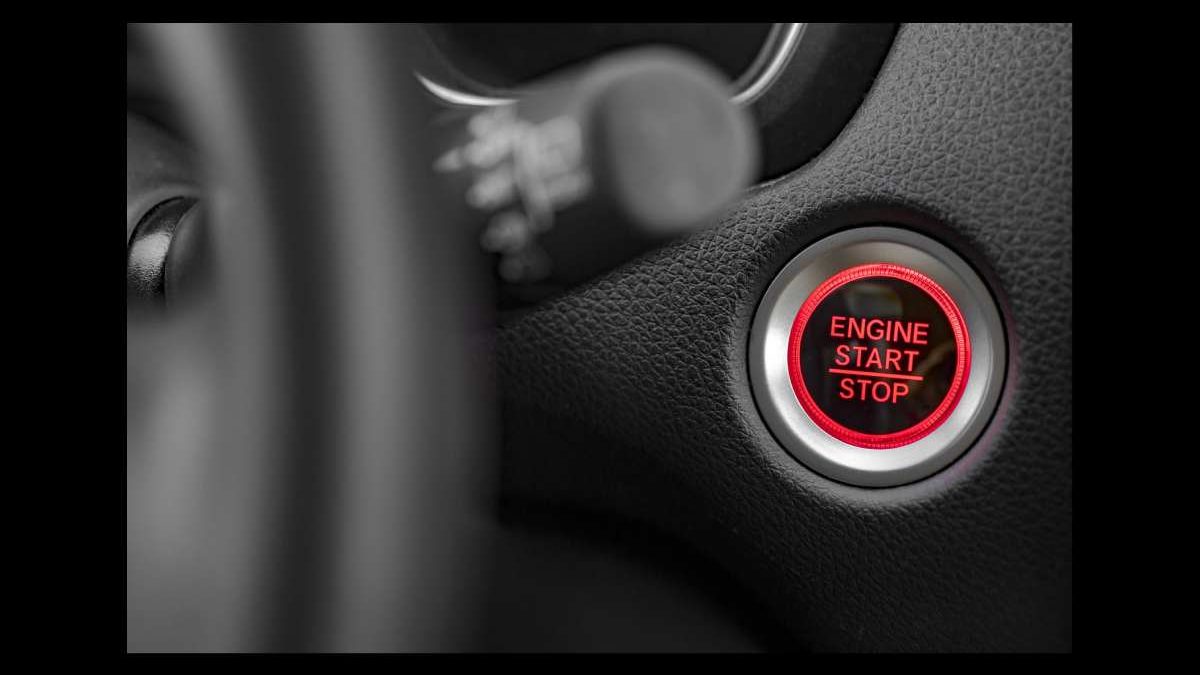
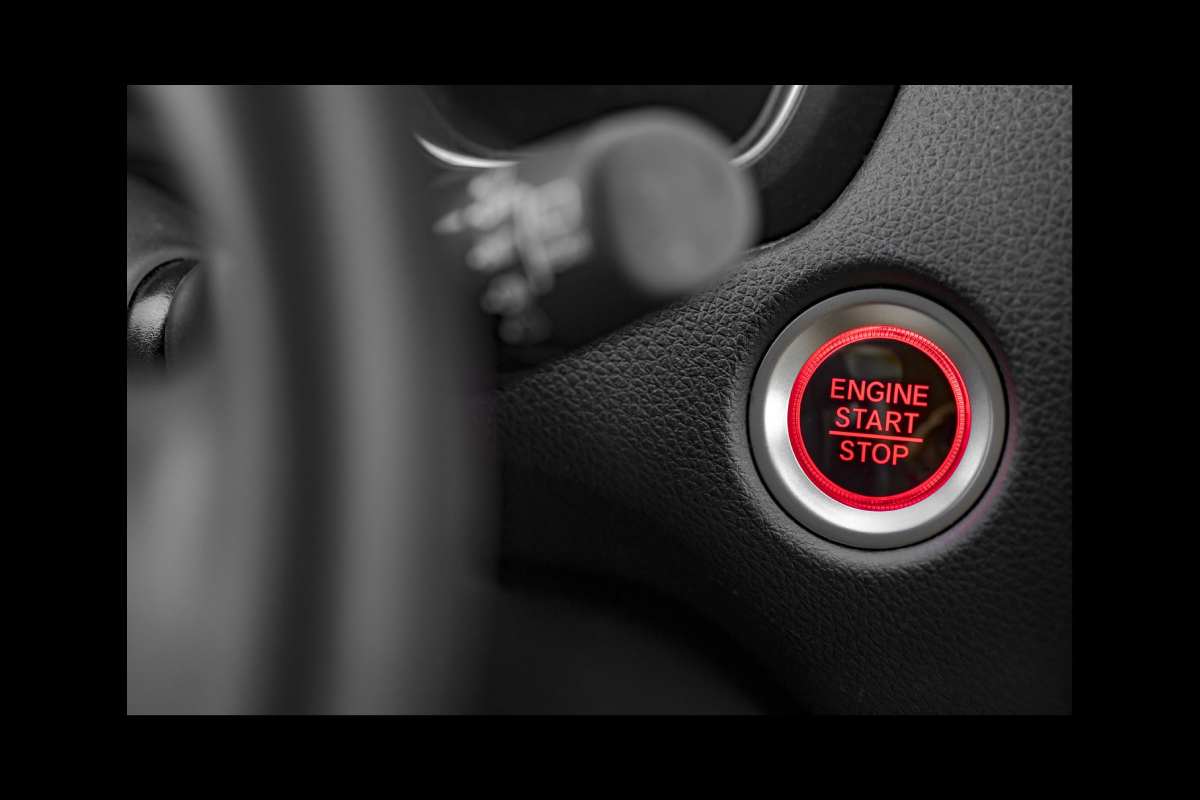
Could the start button in cars ever be perfect? It’s unlikely, but the automotive industry continues to improve this technology. A vehicle’s keyless entry system allows the driver to unlock and start the car without inserting a traditional key, provided the authorised key fob is inside or near the vehicle.
The key fob sends an encrypted security signal that the vehicle’s control systems verify. This allows the engine to start when the required safety conditions are met. Before starting, the transmission generally needs to be in Park or Neutral, and the driver must press the brake pedal, depending on the vehicle.
Pressing the start button sends a command to the powertrain control module (PCM) or another relevant control unit. The system checks conditions such as the transmission’s position and the brake pedal switch. If the required conditions are satisfied, it activates the starter motor to turn over the engine.
Table of Contents
Start Button in Cars – Keyless Entry System: Engine Does Not Start
If the engine does not start when you press the start button, several problems could be responsible.
Battery Drained in an Intelligent Key Fob
A depleted key-fob battery can prevent the vehicle from detecting the remote properly.
Many vehicles have an emergency starting procedure for this situation. Depending on the model, you may need to hold the key fob against the start button or place it in a designated backup detection area. The vehicle can then read the key’s security code and allow the engine to start if the other conditions are satisfied.
Consult your owner’s manual for the correct procedure. Replace the depleted battery in the smart key fob as soon as possible.
Incorrect or Defective Key Fob
If you accidentally use the wrong key fob or the remote itself is faulty, the engine may not start.
First, check that you have the correct key and that its battery is working. If the vehicle still cannot recognise the key, you may need professional assistance from a dealership or qualified automotive locksmith to diagnose the problem and programme a replacement key.
Powertrain Control Module (PCM) Problem
If the powertrain control module has an internal fault, or there is a problem with the anti-theft system, the vehicle may fail to recognise the key fob correctly.
Security codes that are not synchronised, a malfunctioning keyless entry system, damaged wiring, or a faulty control module can also prevent the car from starting.
In these circumstances, a professional diagnosis may be necessary. A suitable diagnostic scanner can help identify fault codes, while certain repairs may require specialist equipment with bidirectional testing and programming capabilities.
Avoid replacing control modules without first identifying the underlying fault.
Faulty Starter Motor
If the starter motor, relay, solenoid, or associated control module is defective, the engine may not turn over when you press the start button.
A mechanic can check the starter motor, electrical connections, battery condition, and related components to determine the cause of the problem. In some cases, the starter motor can be removed and tested using specialist equipment.
If the starter fails testing, replacement may be necessary. If it works correctly, the problem may instead involve the wiring, starter relay, control module, or another component in the starting system.
Faulty Relay, Solenoid, or Electrical Connections
A defective relay or solenoid can prevent electrical power from reaching the starter motor.
It is also important to inspect the cables and wires connected to the starting system. Loose, corroded, or damaged connections can prevent a functioning starter motor from operating properly.
Because starter circuits can carry high electrical currents, electrical testing and repairs should be performed safely, preferably by a qualified technician. Do not attempt to bypass the vehicle’s safety systems to start the engine.
How to Use the Start Button in Cars
To start a car equipped with a push-button ignition system, follow these general steps:
- Enter the vehicle with the authorised key fob.
- Make sure the transmission is in Park or Neutral, as specified by the manufacturer.
- Press and hold the brake pedal if required.
- Press the engine start/stop button.
- Release the button once the engine starts, unless the owner’s manual specifies otherwise.
To switch off the vehicle, bring it to a complete stop and place the transmission in Park. Apply the parking brake where appropriate, then press the engine start/stop button according to the manufacturer’s instructions.
The exact procedure may vary depending on the vehicle model and whether it has a conventional engine, hybrid powertrain, or fully electric drivetrain.
The Technology Behind It
A push-button start system relies on communication between the key fob and the vehicle’s security and control systems.
The key fob sends an encrypted identification signal, which the vehicle checks to determine whether the key is authorised. The system typically needs to detect the key inside the cabin before allowing the engine to start.
Once the authorised key is recognised and the required safety conditions are met, pressing the start button instructs the vehicle’s electronic systems to begin the starting process.
This technology makes starting and stopping the vehicle convenient because the driver does not need to insert and turn a conventional ignition key.
Tips for Using the Start Button
Make sure your vehicle is switched off before leaving it. This can help reduce the risk of carbon monoxide poisoning if a vehicle with an internal combustion engine is left running in an enclosed or poorly ventilated area.
Always place the transmission in Park where applicable and apply the parking brake before leaving the vehicle. These precautions help reduce the risk of the vehicle rolling away.
Keep the key fob secure and pay attention to dashboard warnings, engine status indicators, and warning sounds. Do not assume the engine is off simply because the vehicle has become quiet.
Push-button ignition makes starting and stopping a vehicle convenient, but it is still important to follow the instructions in the owner’s manual.
Dangers of Push-Button Start Key Fobs
Because many modern vehicles have quiet engines, drivers may forget to switch them off when leaving the vehicle. This can be especially concerning in enclosed spaces, where exhaust gases from an idling combustion engine can accumulate.
Drivers using traditional mechanical keys can often see whether the key remains in the ignition. With push-button systems, the key fob may stay in a pocket or bag, so it is possible to leave the vehicle without immediately noticing that the engine is still running.
Disadvantages of Push-Button Start Key Fobs
Forgetting to select Park
A driver who leaves the vehicle without selecting Park or applying the parking brake may create a risk of the vehicle moving unexpectedly. Always confirm the transmission position and secure the vehicle before exiting.
Electronic security risks
Keyless entry systems may be vulnerable to certain electronic attacks, including signal relay attacks, in which criminals attempt to extend communication between the key fob and the vehicle.
The level of risk varies by vehicle and security design. Drivers can reduce their exposure by keeping key fobs secure, using manufacturer-provided security features, and storing keys away from exterior doors and windows where appropriate.
Battery dependence
A weak vehicle battery or a depleted key-fob battery can prevent the system from working normally. Knowing the emergency start procedure for your model can help in these circumstances.
How to Choose a Push-Button Start Kit or Remote Start Kit
Before purchasing an aftermarket push-button start or remote start kit, consider the following features.
Operating Range
The operating range determines how far away you can be when starting the vehicle remotely. Choose a kit with a range that suits your requirements and check how actual performance may be affected by obstacles and interference.
Mobile Compatibility
Some remote start kits offer smartphone connectivity. Depending on the system, this may allow you to lock or unlock the doors, start the engine, and monitor certain vehicle functions through a compatible application.
Check whether the kit is compatible with your vehicle and whether using its connected features requires a subscription.
Manual Cut-Off Switch
Some remote start systems offer a manual shut-off or disable function that can help you stop remote starting when required. Check how the feature works and whether it is supported by your vehicle.
A remote cut-off feature should not be regarded as a replacement for an effective vehicle security system.
Number of Key Fobs
Consider how many key fobs are included with the kit. Some kits supply only one remote, while others provide two or more.
Before purchasing, confirm the number of remotes supplied and whether additional fobs can be programmed for the system.
Vehicle Compatibility and Professional Installation
Not every push-button start kit works with every vehicle. Confirm compatibility with the make, model, year, immobiliser, and existing electrical system before purchasing.
Professional installation is recommended because incorrect wiring can interfere with vehicle security systems, safety features, or normal operation.
How to Use Your Push-Button Start in Cars
Disclaimer: These guidelines are general and are not intended to replace the instructions for your specific vehicle. Consult your owner’s manual or repair guide before attempting repairs or making changes to the starting system.
To start your vehicle using the push-button system:
- Enter the vehicle with the authorised key fob.
- Press and hold the brake pedal if required.
- Press the engine start/stop button.
- Confirm that the vehicle has started or entered the appropriate operating mode.
To switch off the vehicle:
- Bring the vehicle to a complete stop.
- Place the transmission in Park where applicable.
- Apply the parking brake.
- Press the engine start/stop button and confirm that the vehicle has switched off.
Remember that hybrid and electric vehicles may be ready to drive even when their engines are silent. Check the dashboard indicators to confirm their operating status.
Conclusion
The main difference between a push-button start system and a conventional key ignition switch is that the electronic system allows the driver to initiate the starting process without physically turning a key in the ignition.
The button sends a command to the vehicle’s electronic control systems, while the authorised key fob provides the security identification needed to permit starting. The vehicle also checks relevant safety conditions before activating the starter or enabling the powertrain.
Push-button ignition offers convenience, but it is important to understand how the system operates, recognise possible warning signs, and follow the correct starting and shutdown procedures.
For more automotive reading, explore our guides to the ultimate camping car, front-wheel drive in cars, and what a three-wheeler is.