

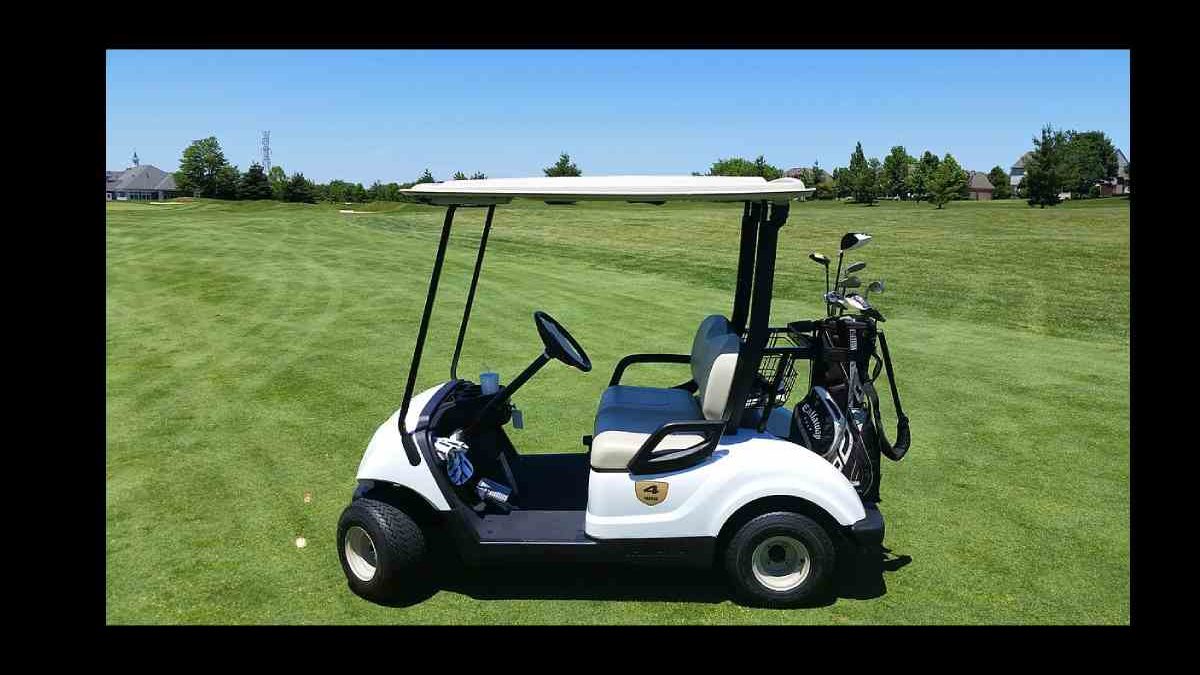
When considering the purchase of a used golf cart, it’s crucial to gather detailed information to ensure you’re making a sound investment. However, once you arrive at the dealer or start talking to the previous owner, it can be hard to remember everything you wanted to know and all the questions you wanted to ask.
Learning what you need to know to make an informed decision is essential, and you should plan ahead to be prepared. Here are ten essential questions you should be ready to ask the dealer or seller.
Table of Contents
What Is the Vehicle’s Maintenance History?
This is one of the most important questions you can ask. Understanding the maintenance history helps you assess how well the golf cart has been cared for and identify any recurring issues or major repairs that may affect its reliability and longevity.
When you ask this question, you should also request to see the maintenance records, if available. Sellers who keep detailed maintenance records may be more likely to have taken good care of their vehicles, although you should still inspect the cart carefully.
How Many Hours or Miles Are on the Odometer?
Make sure you ask about or note the mileage or operating hours on the golf cart before purchasing it.
Knowing the mileage or operating hours provides insight into the vehicle’s overall wear and tear, helping you gauge its remaining lifespan and potential future maintenance needs. In addition, without knowing how much the golf cart has been used, you will have less information to evaluate its price and determine whether you are paying a reasonable amount.
Can I Inspect the Battery Condition?
The battery is an essential part of an electric golf cart, and you need to know how healthy it is. Examining the battery’s condition and performance helps you assess its remaining lifespan and determine whether any immediate replacements or repairs are necessary. Battery replacement can significantly affect ownership costs.
Ask about the battery’s age, charging performance, maintenance history, and expected remaining service life. For more information about battery condition and replacement considerations, visit Allied Battery.
Has the Golf Cart Been Involved in Any Accidents?
It’s important to know whether the golf cart you are interested in buying has been involved in any accidents.
Asking about past collisions can help uncover structural damage or mechanical issues that may affect the cart’s safety, performance, or resale value. In some cases, damage may not be obvious because it was concealed or covered up during repairs.
Remember that a seller may not disclose every issue. Even if no accidents are reported, make sure to conduct a thorough inspection and consider having a qualified mechanic examine the golf cart before completing the purchase.
What Upgrades or Modifications Have Been Made?
Make sure you ask whether the seller has made any significant upgrades or changed anything on the golf cart.
Learning about upgrades or modifications provides insight into the cart’s customisation history and helps you determine whether alterations comply with applicable safety requirements and improve its functionality.
If modifications have been made, verify that original equipment manufacturer (OEM) parts or components from reputable brands were used. You should also check that the installation was completed by a qualified technician or reputable repair shop.
Is There Any Existing Warranty Coverage?
Although many used golf carts may no longer be covered by the original factory warranty, you should still ask about warranty coverage.
Understanding the warranty can help protect your investment against certain unexpected repairs or defects, potentially reducing long-term ownership costs.
If an existing warranty is available, make sure you understand its terms, including how long it lasts, whether it can be transferred to a new owner, and which parts or repairs are covered. Ask the seller for the relevant warranty documents and confirm the information with the warranty provider.
Can I Test Drive the Golf Cart?
Test driving a vehicle is an essential part of the purchasing and inspection process. A test drive allows you to evaluate the cart’s overall condition, comfort, and drivability, helping you determine whether it meets your expectations and requirements.
During the test drive, pay attention to acceleration, steering, braking, unusual noises, and overall stability. Check that the cart operates smoothly and that its controls function as expected. Understanding vehicle controls is also helpful when evaluating other vehicles; for example, you can learn more about how the start button works in cars.
A test drive may help you identify potential problems and determine whether the golf cart is suitable for your needs, whether you enjoy driving it, and whether it has the features and accessories you require.
Are There Any Outstanding Liens on the Golf Cart?
The last thing you want is to purchase a vehicle that has outstanding liens or other financial or legal issues attached to it.
Checking for liens helps establish whether ownership can be transferred without unresolved financial or legal complications. Beyond asking the seller about liens, request the available ownership documents and verify the title or registration details where applicable. If financing is involved, contact the relevant financial institution to confirm that any outstanding obligations have been settled and that ownership can legally be transferred.
The precise documents and checks required will depend on where the golf cart is being purchased and how it is registered.
Has the Golf Cart Had Recent Inspections or Servicing?
Ask the owner or dealer whether the golf cart has been serviced recently and whether any repairs have been carried out.
Knowing about recent inspections or servicing helps you assess whether the cart is in good working condition and has been properly maintained, reducing the likelihood of unexpected repairs.
You can also contact the maintenance shop or mechanic who performed the work, if the seller can provide those details. Ask whether any issues remain unresolved and whether the vehicle may need repairs or replacement parts in the near future.
What Is the Seller’s Reason for Selling the Golf Cart?
Although this is a standard question when purchasing a vehicle, it is still a good idea to learn as much as you can about the seller’s situation.
Understanding the seller’s motivation can provide useful insights into the golf cart’s history, condition, and potential issues, helping you make a more informed buying decision.
The seller may be upgrading to another model, no longer need the cart, or be selling it because of maintenance costs. Whatever the reason, compare the explanation with the vehicle’s condition, service records, and ownership documents instead of relying on the seller’s answer alone.
Conclusion
Asking these questions helps you gather comprehensive information about a used golf cart’s history, condition, and maintenance, empowering you to make a confident and informed decision that fits your needs and budget.
Remember to plan ahead and prepare your questions so you don’t forget anything important or feel pressured during the purchase. Inspect the vehicle, review the relevant paperwork, and arrange a professional assessment when necessary.
Also consider how you plan to use the vehicle. If you are comparing other recreational vehicles, our guide to the ultimate camping car offers additional reading. You can also explore our article on what a three-wheeler is to understand another type of compact vehicle used for transportation and other practical purposes.
Taking the time to research your options and verify the cart’s condition can help you avoid costly surprises and choose a used golf cart that delivers reliable performance and value.