

Table of Contents
Dirt Bike Goggles – Introducing
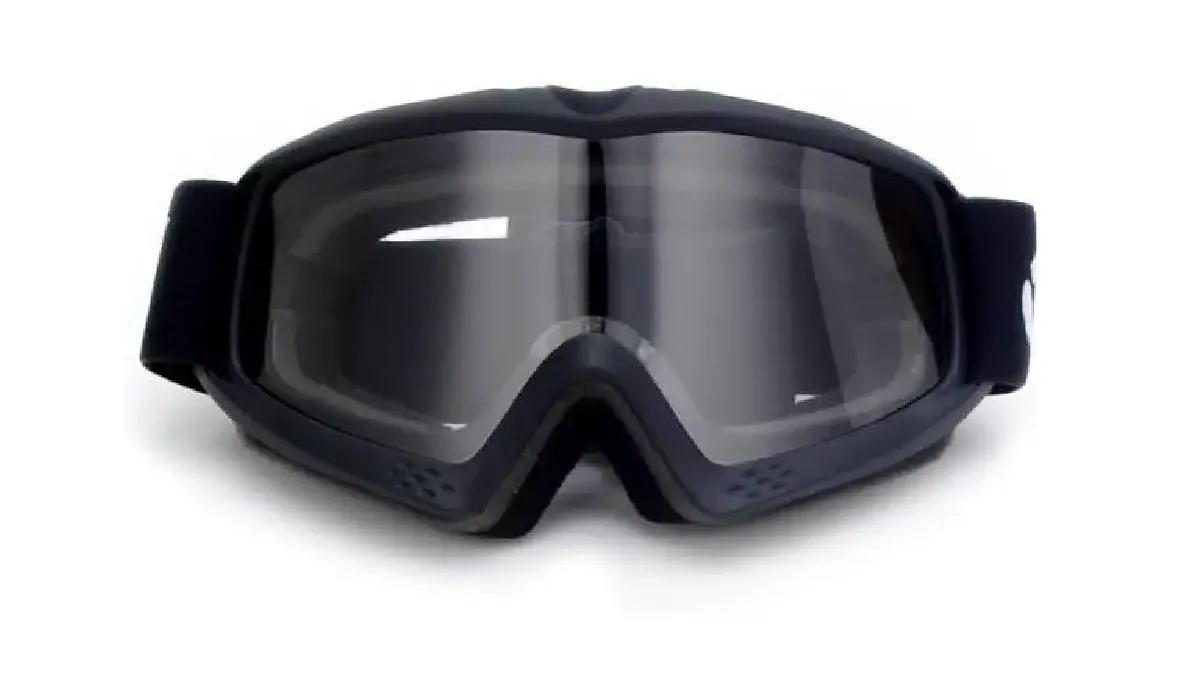
Dirt bike goggles are specialised eye protection designed for riders who ride on dirt trails, motocross tracks, and other off-road terrain. They are an essential part of a rider’s protective equipment and are generally worn with a compatible dirt bike helmet.
Over the years, dirt bike goggles have become more than just protective eyewear. They are also an important part of motocross fashion, with different colours, frame designs, and lens styles allowing riders to personalise their gear. However, their primary purpose remains protecting the eyes from dust, mud, wind, flying debris, and other hazards.
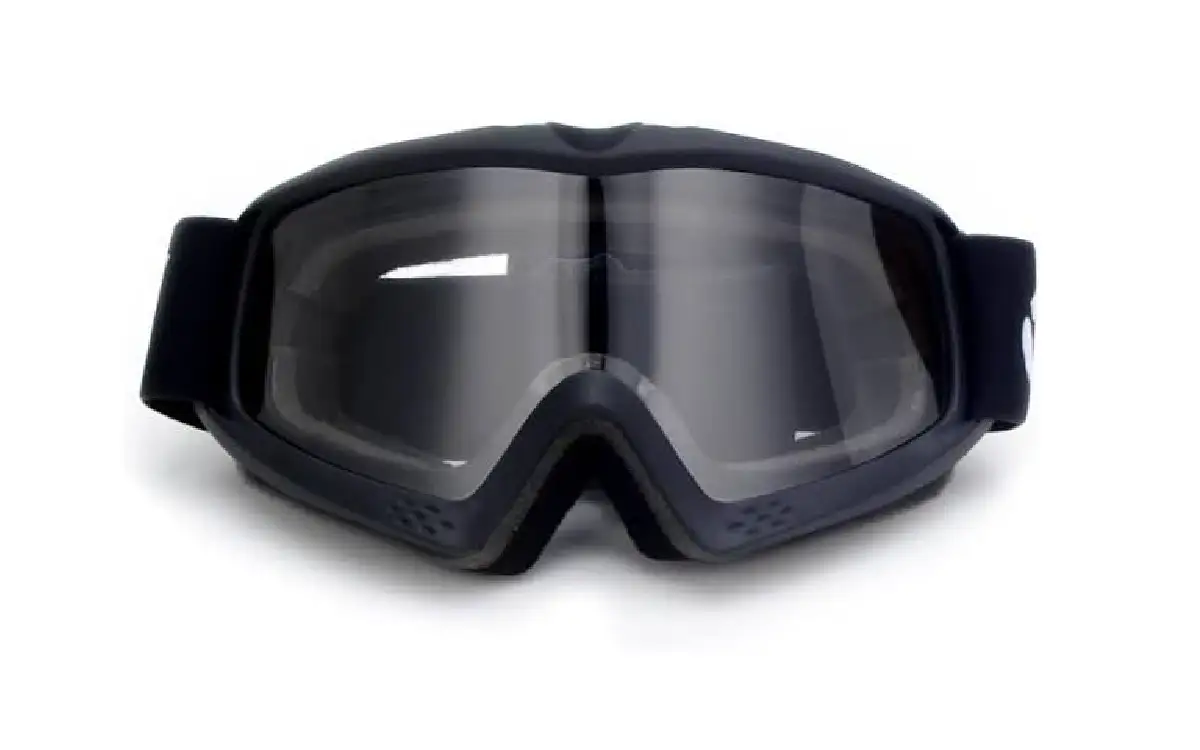
Dirt bike goggles typically feature a rectangular frame with a curved lower section designed to fit around the nose. Foam padding sits against the face to provide cushioning and help create a comfortable seal. High-quality goggles often use multi-layer foam to improve comfort, manage perspiration, and provide a better fit during extended rides.
Most dirt bike goggles use an adjustable elastic strap, commonly made from woven synthetic materials. Some straps incorporate silicone grips to help prevent the goggles from slipping on the helmet.
Lens options also vary, allowing riders to choose suitable eyewear for different weather conditions, lighting levels, and riding environments. Selecting the right combination of frame, foam, strap, and lens can make a significant difference to both comfort and visibility.
Motocross and Dirt Bike Goggle Lenses
Different riding conditions require different lens features. When choosing dirt bike goggles, consider the terrain, weather, time of day, and amount of dust or mud you are likely to encounter.
Tear-Off Lenses for Motocross
Tear-off systems are especially useful for motocross riders who encounter heavy mud, dirt, and debris. A tear-off is a thin, transparent layer fitted over the main goggle lens. When the outer layer becomes dirty, the rider can remove it to restore a clearer view.
This can be particularly helpful during muddy races, when stopping to clean the goggles may not be practical. Tear-offs should only be used where permitted by the event rules and where their disposal will not create a hazard for other riders.
Some goggles also support roll-off systems, which use a film that advances across the lens to provide a fresh viewing area.
Anti-Fog Lenses
Anti-fog features are valuable when riding in cold, humid, or changeable weather. Condensation can develop when warm moisture inside the goggles meets a cooler lens, reducing visibility.
Goggles with anti-fog lens coatings, suitable ventilation, and moisture-managing foam can help reduce this problem. Keeping the lens clean and allowing air to circulate properly can also improve visibility.
For trail riding in damp conditions, a well-ventilated pair of goggles with effective anti-fog features can make the ride more comfortable.
Choosing the Right Lens Colour
Goggle lenses are available in several colours and tints. Each option can affect how bright the surroundings appear and how clearly the rider perceives contrast.
Clear lenses: These allow high light transmission and are useful in overcast conditions, dense forests, low light, and night riding when appropriate.
Tinted lenses: Grey or other suitable tints can reduce the amount of light entering the eyes in bright conditions. Check the lens category and manufacturer’s guidance before using a particular tint in low light.
Blue lenses: Depending on their tint and optical properties, blue lenses can change the appearance of contrast and brightness. Their suitability depends on the lighting conditions and the manufacturer’s specifications.
Light-coloured lenses: Yellow, amber, and other light tints may improve perceived contrast in certain conditions, such as cloudy weather or shaded trails. Results vary by lens design and environment.
Choose lenses that provide appropriate visibility and UV protection. A lens colour alone does not guarantee better contrast or eye protection.
Why Dirt Bike Goggles Are Essential
Eye protection is a non-negotiable part of riding a dirt bike. On motocross tracks and off-road trails, riders can encounter flying stones, dirt, branches, dust, mud, and debris thrown up by their own tyres or other motorcycles.
Without proper goggles, these hazards can irritate or injure the eyes and interfere with visibility. Wind and dust can also cause watering, making it harder to judge the trail and respond to changing conditions.
Clear vision is particularly important when riding over obstacles, navigating corners, or following other riders. Well-fitting goggles help shield the eyes while allowing the rider to maintain a clear view of the terrain.
When selecting goggles, consider the fit with your helmet, the quality of the lens, ventilation, foam comfort, and whether replacement lenses are available. A stylish pair is useful only if it also provides suitable protection and visibility.
How to Wear Dirt Bike Goggles Correctly
Dirt bike goggles are generally worn with a compatible helmet. The frame sits over the eyes, while the elastic strap wraps around the outside of the helmet and holds the goggles in position.
Follow these steps to achieve a suitable fit:
- Put on your dirt bike helmet and make sure it fits correctly.
- Position the goggles over your eyes, with the foam sitting evenly against your face.
- Pull the strap around the helmet and adjust it until the goggles remain secure without excessive pressure.
- Check that the frame fits comfortably within the helmet’s eye opening.
- Make sure your peripheral vision is not unnecessarily restricted and that the goggles do not interfere with the helmet’s fit.
- Check that the lens is clean and that the ventilation openings are not obstructed.
The foam should make consistent contact with the face, helping prevent dust and debris from entering around the edges. The strap should hold the goggles securely without pushing the frame uncomfortably against the nose or forehead.
Comfort is particularly important during motocross competitions and longer trail rides. If the goggles do not fit properly with your helmet, try another size or model rather than forcing them into position.
Your complete riding setup matters as well. Along with correctly fitted goggles, make sure the motorcycle’s controls are positioned comfortably. Our guide to what handlebars are and how they work offers additional information about this important part of a bike.
Snow Goggles and Ski Sunglasses: What Is the Difference?
Snow goggles and ski sunglasses are designed for winter sports, but their features also provide a useful comparison when choosing protective eyewear for other outdoor activities.
Skiing and snowboarding expose the eyes to wind, cold air, snow, and strong reflected sunlight. As a result, winter-sports eyewear often focuses on coverage, visibility, ventilation, and protection from ultraviolet radiation.
Although snow goggles and dirt bike goggles may look similar, they are designed for different conditions. Snow goggles should not automatically be treated as a replacement for dirt bike goggles, which are intended to work with a motorcycle helmet and protect against off-road debris.
What Are Snow Goggles?
Snow goggles, also known as ski or snowboard goggles, are designed to protect the eyes from cold air, wind, snow, and bright light. They usually have an elastic strap and a cushioned frame that provides broad coverage around the eyes.
Some models use double-layer lenses and ventilation systems to help reduce fogging. Others feature specialised lens tints to improve visibility in different lighting conditions.
Photochromic lenses change their tint in response to the surrounding light, while polarised lenses reduce certain types of reflected glare. These technologies serve different purposes, and neither automatically guarantees superior visibility in every environment.
Benefits of Snow Goggles
Snow goggles provide several advantages for winter sports:
- Broad coverage: Their frame helps protect the eyes from wind, snow, and cold air.
- Secure fit: An elastic strap helps keep them in place during movement and falls.
- Comfort: Foam padding helps cushion the face in cold conditions.
- Lens choices: Different tints and coatings can help riders or skiers adapt to changing light.
- Wind protection: The frame reduces direct exposure to moving air.
These features make snow goggles useful for skiing and snowboarding, although comfort and performance depend on the model and conditions.
Disadvantages of Snow Goggles
Snow goggles can fog when ventilation is insufficient or moisture builds up inside the frame. Their close-fitting design can also make them warmer than open eyewear, which may be uncomfortable in some conditions.
A proper fit and suitable anti-fog features can help reduce these issues. However, snow goggles are not necessarily suitable for dirt biking because their construction, helmet compatibility, lens specifications, and impact protection may differ from those required for off-road motorcycle riding.
What Are Ski Sunglasses?
Ski sunglasses are designed for winter sports and usually provide broader coverage than ordinary lifestyle sunglasses. They can protect the eyes from bright light and offer a lighter, more open alternative to snow goggles.
Some models use polarised lenses to reduce reflected glare. Others use photochromic lenses that automatically adjust their tint in response to changing light conditions.
UV protection is also important, especially in snowy environments where sunlight can reflect strongly from the ground. Buyers should check the manufacturer’s stated UV protection rather than assuming that a particular lens colour provides it.
Benefits of Ski Sunglasses
Ski sunglasses offer several advantages:
- Lightweight design: They can feel less bulky than goggles.
- Easy removal: Their open design makes them convenient to take off when needed.
- Ventilation: Air can circulate more freely around the face, potentially reducing fogging.
- Lens variety: Different lens tints can suit a range of outdoor lighting conditions.
- Comfort: Some users prefer the feel of sunglasses to a close-fitting goggle frame.
These characteristics make ski sunglasses useful in suitable winter conditions, particularly when broad facial coverage is not essential.
Disadvantages of Ski Sunglasses for Dirt Bike Riding
Ski sunglasses generally do not provide the same sealed coverage as goggles. They may allow dust, mud, wind, or small debris to reach the eyes, especially when travelling at speed.
Unlike securely strapped goggles, sunglasses may also move or fall off during sudden movement or a crash. Their suitability depends on the activity and the conditions in which they are used.
For dirt biking, purpose-built goggles designed to fit a motorcycle helmet are generally the more appropriate choice. They provide a secure fit and greater coverage against the debris commonly encountered on off-road trails.
How to Choose the Right Size of Dirt Bike Goggles
Goggle sizing is largely about compatibility with your face and helmet rather than simply choosing a clothing-style size such as small, medium, or large.
Youth goggles are designed for smaller faces and youth-sized helmets, while adult goggles generally fit larger face openings. However, sizing conventions differ between manufacturers, and some brands offer multiple frame sizes.
Before buying goggles, consider the following:
Helmet compatibility: The frame should fit within the helmet’s eye opening without being forced into place.
Foam contact: The foam should sit evenly against your face, creating a comfortable seal around the eyes.
Strap adjustment: The strap should fit securely around the helmet without slipping or creating excessive pressure.
Vision: The goggles should provide a useful field of view without unnecessary obstruction.
Comfort: The frame and foam should remain comfortable when worn with your helmet for an extended period.
Lens replacement: Check whether replacement lenses are available if you expect to ride in changing light or weather conditions.
If possible, try the goggles on with the helmet you intend to use. This is one of the best ways to confirm that the frame, strap, and foam fit correctly.
Conclusion
Dirt bike goggles are an essential part of off-road riding equipment. They help protect your eyes from dust, mud, wind, and flying debris while supporting clear vision on trails and motocross tracks.
When choosing a pair, consider lens tint, anti-fog features, ventilation, tear-off or roll-off compatibility, foam comfort, and helmet fit. The best goggles are not necessarily the most expensive or the most stylish; they are the ones that provide appropriate protection, fit securely, and allow you to see clearly in your riding conditions.
Remember that snow goggles and ski sunglasses are designed for different activities and should not automatically be used as substitutes for dirt bike goggles. Always follow the eyewear manufacturer’s guidance and choose equipment appropriate for the risks of your sport.
For additional information about cycling equipment and accessories, explore our guide to chains and gears. You can also discover ideas for personalising your bicycle or riding setup in our article on bike bling.