

Table of Contents
Honda Valkyrie – Introducing an Iconic Muscle Cruiser
The Honda Valkyrie is one of those motorcycles that attracts attention wherever it goes. With its muscular styling, substantial proportions, and powerful six-cylinder engine, it combines the character of a traditional cruiser with performance and engineering inspired by Honda’s flagship touring motorcycles.
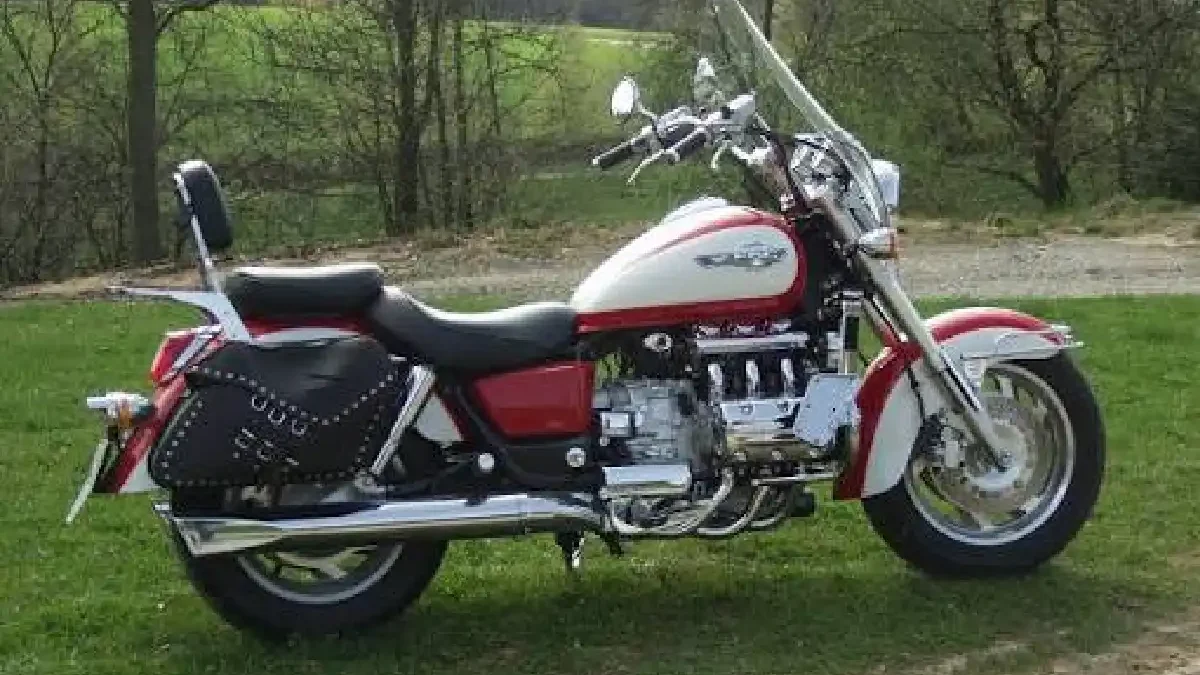
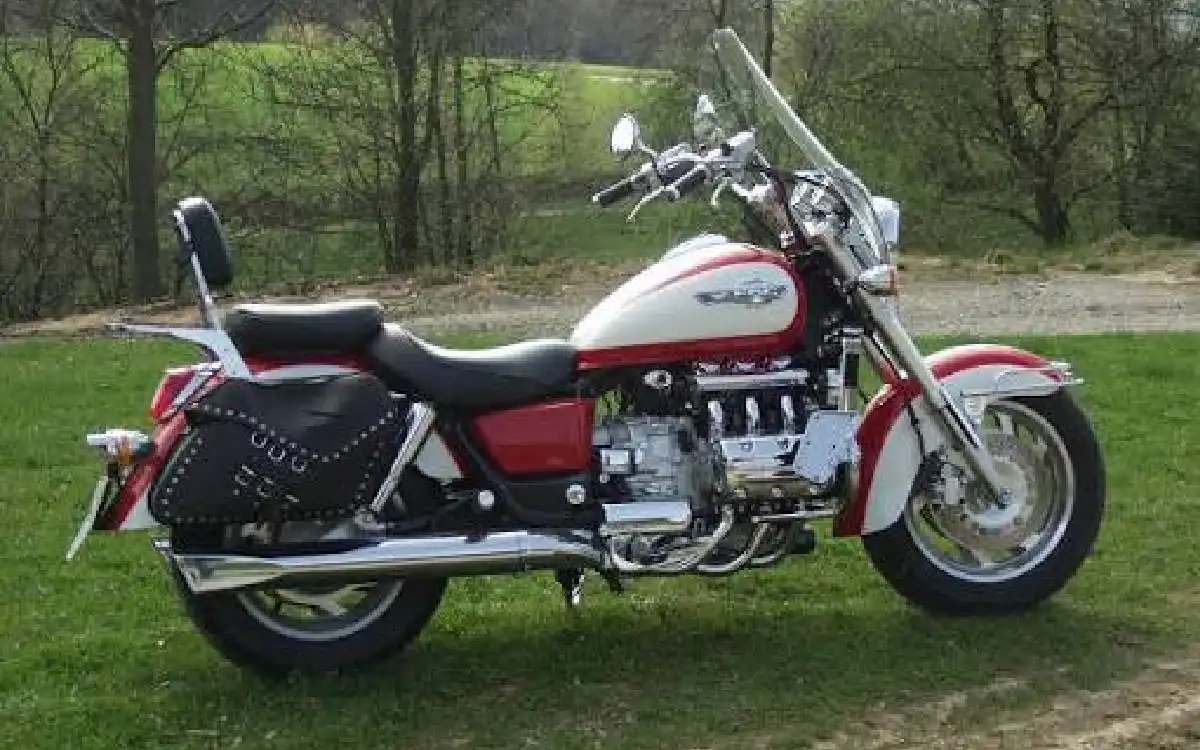
The original Honda Valkyrie, introduced in 1996, was based on the GL1500 Gold Wing platform. Known as the F6C in some markets, it featured a horizontally opposed six-cylinder engine and distinctive cruiser styling. Its strong performance and memorable design helped it develop a dedicated following among motorcycle enthusiasts.
In 2014, Honda revived the Valkyrie name with a redesigned model based on the newer 1,832cc Gold Wing engine platform. This version featured minimalist bodywork, a lighter chassis, and a more aggressive appearance than the full-dress Gold Wing.
The result was a motorcycle that combined long-distance capability with the bold character of a muscle cruiser. Riders interested in other comfortable motorcycles can also explore our guide to cruiser bikes that are easy to ride.
The Machine Behind the Honda Valkyrie
At the heart of the 2014 Honda Valkyrie is a 1,832cc liquid-cooled, horizontally opposed six-cylinder engine shared with the Gold Wing family. Its smooth power delivery and strong torque give the motorcycle an impressive presence on the road.
Honda paired the engine with an aluminium twin-spar frame and a suspension system designed to provide stability and responsive handling. The Valkyrie was intended for riders who wanted the power of a large touring motorcycle without the full fairing, extensive luggage, and additional equipment associated with a traditional touring machine.
The motorcycle’s arrival also reflected growing interest in premium heavyweight cruisers. Experienced riders were looking for motorcycles that combined substantial engine performance with distinctive styling, comfort, and everyday usability.
The Valkyrie offered these qualities in a more stripped-down package. Its wide stance, exposed mechanical components, and muscular proportions made it stand out from conventional cruisers.
A Class of Its Own: Then and Now
The original Honda Valkyrie helped establish the idea of the muscle cruiser: a motorcycle combining bold cruiser styling with the performance of a large, powerful engine.
Introduced in 1996, the earlier Valkyrie used a 1,520cc flat-six engine derived from the Gold Wing platform. Its combination of distinctive styling, smooth power delivery, and touring capability created a strong following.
The 2014 Valkyrie continued that tradition with a more modern design. By removing much of the touring equipment found on the contemporary Gold Wing, Honda created a more minimalist motorcycle with a sportier appearance.
Honda claimed that the newer Valkyrie weighed approximately 154 pounds less than the full-dress Gold Wing of the period. The weight reduction, combined with the revised chassis and riding position, contributed to its more agile character.
The Valkyrie was not simply a nostalgic reinterpretation of the original. It brought the muscle-cruiser concept into a newer generation while preserving its defining characteristics: a large six-cylinder engine, confident road presence, and distinctive styling.
Power to Spare: Honda Valkyrie Engine Performance
The Valkyrie’s 1,832cc engine is known for its smoothness and substantial torque. Its horizontally opposed six-cylinder configuration provides a broad power delivery that suits relaxed cruising as well as strong acceleration.
The engine develops its peak torque at relatively low engine speeds, helping the motorcycle accelerate without requiring constant gear changes. Its strong midrange performance makes it suitable for overtaking and maintaining highway speeds.
Honda also equipped the Valkyrie with a shorter, lighter exhaust system featuring slash-cut outlets. The arrangement contributes to the motorcycle’s visual identity and gives it a distinctive exhaust note.
The blacked-out engine and other dark-finished components reinforce its muscular, custom-inspired appearance.
Fuel Injection and Transmission
The Valkyrie uses Honda’s programmed fuel-injection system, which helps manage fuel delivery across different operating conditions. The engine’s layout also contributes to a relatively low centre of gravity, supporting stability and predictable handling.
Power is delivered through a five-speed transmission, followed by a shaft final-drive system. This drivetrain arrangement has a long association with Honda’s large touring motorcycles and is designed for durability and smooth power transmission.
The Valkyrie’s cooling system includes carefully shaped radiator shrouds intended to direct hot air away from the rider, helping improve comfort in warm conditions and during slower riding.
Together, these features make the motorcycle suitable for highway cruising, longer journeys, and everyday road use where its size is manageable.
Solid Foundations for Handling Performance
The Honda Valkyrie uses an aluminium frame derived from the GL1800 Gold Wing platform. Its twin-spar design helps balance structural rigidity, weight, and handling response.
Honda developed the frame to support the Valkyrie’s different bodywork and riding position. Although it shares its basic platform with the Gold Wing, the Valkyrie uses a different rear subframe to accommodate its more minimalist seating arrangement.
The aluminium construction also allows the frame’s shape and dimensions to be carefully tuned for the motorcycle’s intended performance. The objective is to provide predictable cornering, stable highway behaviour, and a comfortable ride without sacrificing the character expected from a muscle cruiser.
The Advantage of the Gold Wing Platform
The Valkyrie’s reduced weight compared with the full-dress Gold Wing changes how the motorcycle feels on the road. It is designed to offer more responsive manoeuvring while retaining the smoothness and stability associated with Honda’s large touring platform.
At the front, the motorcycle uses a 45mm telescopic fork with damping settings developed for the Valkyrie. At the rear, a Pro-Link single-shock suspension system works with a single-sided Pro-Arm swingarm.
The rear suspension features a remote preload adjuster, allowing the rider to make adjustments to suit different loads and riding conditions.
Braking equipment includes dual front discs measuring 310mm and a 316mm rear disc, supported by four-piston front brake calipers. These components are designed to provide strong braking performance for a motorcycle of this size and weight.
The motorcycle’s 19-inch front and 17-inch rear wheels also contribute to its road-oriented handling characteristics.
As with any heavyweight motorcycle, riders should become familiar with its braking response, steering, and low-speed balance before attempting tight manoeuvres or riding through congested areas.
Distinctive Design and Riding Position
The Valkyrie’s riding position differs from that of the Gold Wing, reflecting its more sporting cruiser character.
The footpegs are positioned higher and slightly farther forward than those on the contemporary F6B, while the handlebars are positioned to provide a broad, upright grip. This arrangement gives the rider a distinctive cruiser posture while maintaining access to the controls.
The traditional-style fuel tank holds approximately 6.1 gallons, while the two-piece seat provides a relatively open riding area.
A substantial one-inch handlebar and revised switchgear complement the motorcycle’s muscular appearance. The passenger grab rail is made from aluminium, and selected components can be removed to create a cleaner solo-riding profile.
These details allow the Valkyrie to combine practical road ergonomics with a custom-inspired look.
The Unique Instrumentation of the Honda Valkyrie
The Honda Valkyrie features distinctive lighting and instrumentation to match its modern design.
Its equipment includes LED turn signals, an LED taillight, and an LED headlight. The instrument cluster incorporates a digital display with information such as vehicle speed, engine speed, trip distance, time, and fuel level.
The system also provides a customisable opening message when the ignition is switched on, adding a small personal touch to the riding experience.
Honda Genuine Accessories have also been offered for the Valkyrie, allowing owners to personalise aspects of its appearance and equipment. The precise range of accessories depends on the market and model year.
The motorcycle’s design brings together modern technology, a powerful engine, and minimalist styling to create a distinctive alternative to conventional touring motorcycles.
Honda Valkyrie Compared With Other Motorcycle Styles
The Valkyrie occupies a unique position between traditional cruisers and large touring motorcycles. Its six-cylinder engine, substantial frame, and upright riding position make it different from lighter road bikes and smaller-displacement cruisers.
Riders who prefer minimalist styling and a more compact appearance may also be interested in the cafe racer motorcycle style. Cafe racers generally emphasize a stripped-down appearance and road-focused design, while the Valkyrie prioritises strong torque, comfort, and the character of a large cruiser.
Motorcycle buyers should consider engine capacity, weight, riding posture, handling, maintenance costs, and intended use when comparing these categories.
The Valkyrie’s sizeable engine and substantial weight may appeal to experienced riders who want a premium cruiser, but it may not be the easiest motorcycle for every beginner. A test ride can help determine whether its dimensions and riding characteristics match your abilities.
For more motorcycle research and ownership information, readers can also explore ForMotorBikes.com as part of their broader comparison process.
Honda Valkyrie: A Unique Member of the Gold Wing Family
The Honda Valkyrie expanded the Gold Wing family by offering a different riding experience from the fully equipped touring model.
The original Valkyrie, produced from 1996 to 2003, used Honda’s 1,520cc flat-six engine. It later developed a strong following among riders who valued its distinctive styling and smooth performance.
In 2004, Honda introduced the limited-production Valkyrie Rune. This unusual model featured dramatic styling and became a notable part of the company’s motorcycle history.
The modern Valkyrie introduced for 2014 took a more minimalist approach, combining the newer 1,832cc Gold Wing engine with a redesigned chassis and muscular bodywork.
Although the different generations share the Valkyrie name, they have distinct designs and specifications. Buyers looking at used examples should confirm the model year, equipment, service history, and condition before purchasing.
Riders seeking a smaller, city-oriented two-wheeler may also find our guide to the DJ Odisha scooty useful when exploring alternatives designed for everyday commuting.
Conclusion
The Honda Valkyrie is a distinctive motorcycle that combines large-engine performance, cruiser styling, and engineering derived from the Gold Wing platform. The original model, introduced in 1996, established a loyal following, while the 2014 version introduced a lighter and more minimalist interpretation of the muscle cruiser.
Its six-cylinder engine delivers smooth power and strong torque, while the aluminium frame and carefully developed suspension provide stability and responsive handling. Details such as LED lighting, digital instrumentation, and a customisable riding profile further distinguish the newer model.
The Valkyrie is best suited to riders who appreciate a powerful, substantial cruiser with a character of its own. Before choosing one, consider your riding experience, preferred riding style, maintenance budget, and comfort with a heavyweight motorcycle.
Whether you prefer the classic Valkyrie, the dramatic Rune, or the modern 2014 generation, the model remains an important part of Honda’s motorcycle history and an appealing choice for enthusiasts who value distinctive design and six-cylinder performance.