

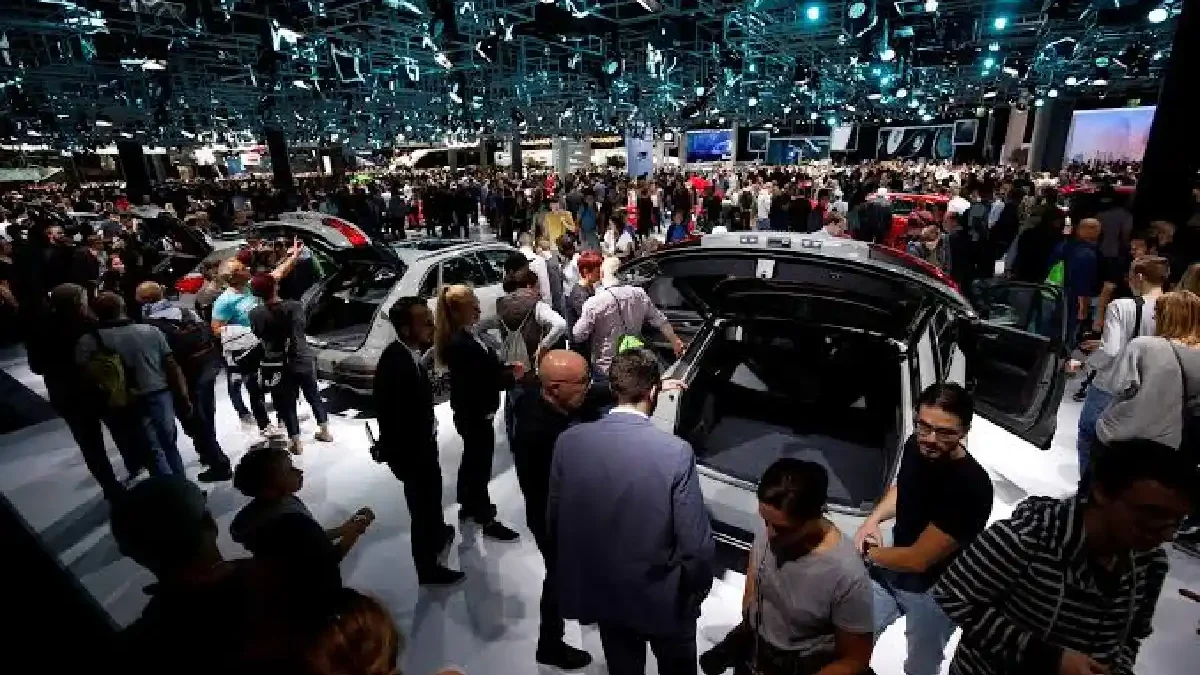
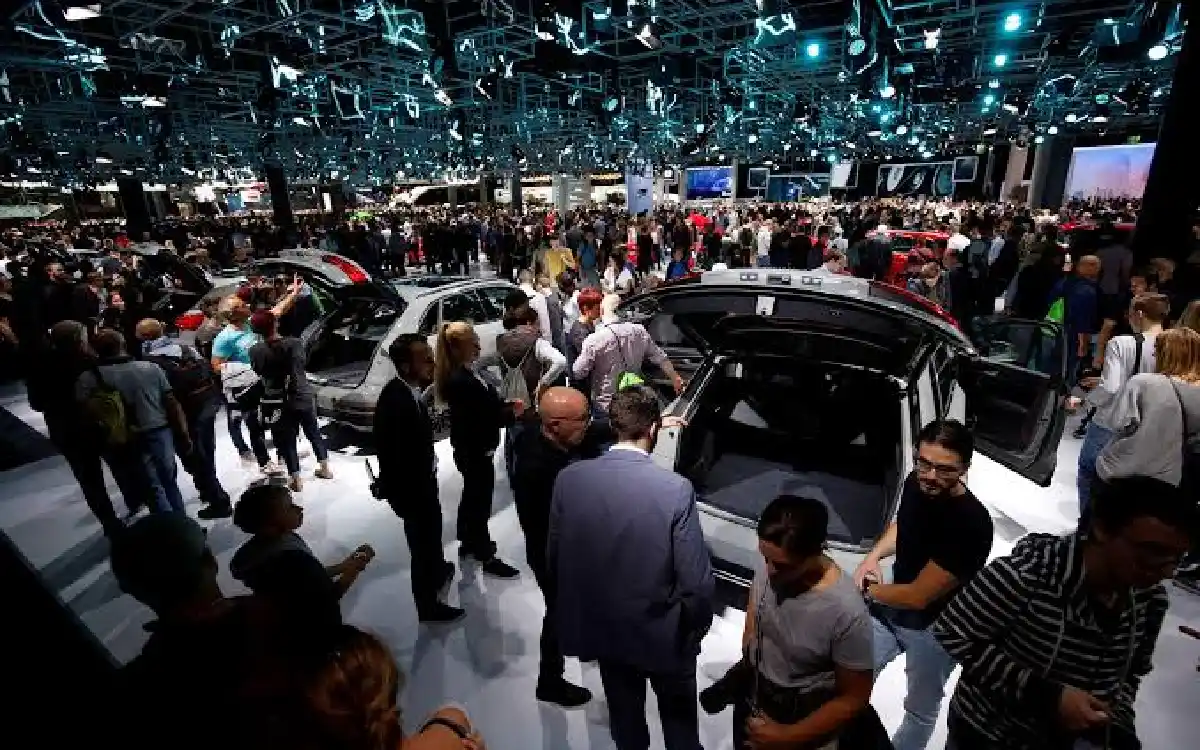
Every year, countless car shows, racing competitions, and motor events take place around the world. Popular events include the Isle of Man TT, the London Motor Show, and Goodwood Revival. Whether you enjoy high-speed racing, classic cars, or the latest automotive technology, there is an event for almost every motoring enthusiast.
However, large automotive events bring together thousands of visitors, expensive vehicles, professional drivers, and busy public spaces. Organisers must therefore put appropriate safety and security measures in place to protect attendees, exhibitors, staff, and competitors.
From crowd-control barriers and trained security guards to digital ticketing systems, modern auto shows use a combination of physical and technological measures to manage potential risks.
Let’s explore how these security systems work and why they are important for a safe and enjoyable event.
Table of Contents
Crowd-Control Barriers Protect Attendees
Crowd-control barriers are commonly used at automotive exhibitions, outdoor vehicle displays, and motorsport events. Their purpose is to organise pedestrian movement, establish restricted areas, and help prevent visitors from entering potentially dangerous spaces.
Preventing Accidents
At a classic car exhibition, valuable vehicles may be displayed close to areas where visitors can walk around and inspect them. Barriers can help maintain a safe distance between the public and the vehicles, reducing accidental contact and making it easier for organisers to control access.
At racing events, spectator safety requires a different approach. Ordinary plastic crowd-control barriers are suitable for managing queues and pedestrian movement, but they are not designed to stop a racing vehicle. Motorsport venues require appropriately engineered safety barriers, fencing, run-off areas, and other protections suited to the speeds and risks involved.
Managing Pedestrian Traffic
Large crowds can become difficult to manage when people converge on popular displays, entrances, food stalls, or ticket checkpoints.
Barriers help organisers establish clear walking routes and separate entry and exit areas. This can reduce congestion and make it easier for security staff to identify potential problems.
For events attracting thousands of visitors, effective crowd management is an essential part of the overall safety plan.
Choosing Appropriate Barrier Materials
Different events require different types of barriers. Lightweight plastic barriers can be useful for temporary queues and pedestrian routing because they are relatively easy to transport and reposition.
Heavier metal barriers may be more suitable for particular crowd-management applications, while motorsport circuits require specialised systems designed for vehicle impacts.
Organisers should select barriers based on the expected crowd size, event layout, movement of vehicles, and the specific hazards involved.
Security Guards Help Prevent Criminal Behaviour
Security personnel play an important role in protecting visitors, exhibitors, vehicles, and event equipment.
At a classic car show, for example, security staff may monitor valuable vehicles, prevent unauthorised access, and respond if someone attempts to damage or steal property.
At racing competitions, trained personnel help keep spectators out of restricted trackside areas and monitor access to paddocks, garages, and other controlled locations.
Monitoring Restricted Areas
Automotive events frequently include areas that are not open to every visitor. These may include vehicle preparation zones, garages, media facilities, staff-only corridors, and locations used by competitors.
Security guards can check credentials, monitor entry points, and ensure that only authorised people enter these spaces.
Responding to Incidents
Security teams may also help manage disputes, suspicious behaviour, medical emergencies, and lost children. Their procedures generally involve coordinating with event organisers, medical staff, and emergency services as required.
Effective security relies on appropriate training, clear communication, and established emergency procedures rather than simply having a large number of guards present.
QR Code Ticketing Systems Improve Access Control
In the past, many events relied heavily on printed tickets and manual checks at entrances. Today, numerous automotive exhibitions and motorsport events also offer digital tickets that can be verified using QR codes.
The process is straightforward: visitors present a ticket on their smartphone or as a printed document, and staff scan the QR code using an authorised ticket-validation system.
If the ticket is valid and has not already been used, the system can approve entry according to the event’s rules.
Reducing Ticket Fraud
Digital validation can help organisers identify invalid, duplicated, cancelled, or previously redeemed tickets.
However, QR codes are not impossible to copy. A screenshot or duplicated code may be shared with another person, so security depends on the ticketing system checking validity and recording successful entry.
Some systems also use rotating codes, identity checks, or additional verification to reduce misuse.
Faster Entry
Scanning tickets can make admission more efficient than checking every ticket manually. This may help reduce queues and improve the flow of visitors through entrance checkpoints.
Organisers should still provide procedures for people whose phones are out of battery, tickets cannot be displayed, or scanning equipment fails.
Digital Information and Online Resources
Online services have become a familiar part of planning events, purchasing tickets, and researching entertainment. Visitors may encounter many different websites while preparing for a trip, so it is important to check that ticket purchases and event information come from reliable sources.
For broader online reading, BizAutomotive also features articles such as its overview of Tex9.net and a profile introducing Nicole Shanahan. These cover different subjects, but they illustrate the variety of information people may encounter while exploring the internet.
Always verify an event’s official ticketing arrangements before entering payment details or providing personal information.
Vehicle Displays Need Additional Protection
Classic cars, supercars, and rare collector vehicles can be worth substantial amounts of money. Protecting them requires careful display planning as well as general crowd management.
Creating Safe Display Zones
Organisers can establish designated areas around displayed vehicles and use barriers or floor markings to guide visitors.
Clear signs can explain whether visitors may touch a vehicle, enter it, or take photographs beside it. Where interaction is permitted, staff can supervise the activity to help prevent accidental damage.
Monitoring Valuable Vehicles
Security staff may patrol display areas or monitor important exhibits using cameras and other approved security arrangements.
For particularly valuable vehicles, organisers may restrict access to authorised personnel and ensure that vehicles are secured when exhibitions are closed.
Protecting Vehicles During Transportation
Security considerations begin before the event opens. Vehicles may need to be transported to the venue, unloaded, positioned, and moved again after the exhibition.
Organisers should establish suitable loading areas, control access during vehicle movements, and separate spectators from operational activity.
These arrangements help reduce the risk of accidents involving moving vehicles and crowded walkways.
Weather and Environmental Safety at Outdoor Auto Shows
Outdoor automotive events may be affected by rain, high temperatures, strong winds, dust, and changing ground conditions. Organisers should monitor forecasts and establish procedures for adjusting activities when conditions become unsafe.
Rain can reduce tyre grip, create slippery walking surfaces, and affect vehicle displays. Strong winds may also make temporary structures, signs, and unsecured equipment hazardous.
Event teams should ensure that drainage, pedestrian routes, emergency access, and temporary installations are appropriate for the expected conditions.
Visitors can also prepare for their journey by checking the weather and ensuring that their vehicles are in good condition. Our article on The Mud Rain Returns discusses driving precautions and protecting vehicles when dusty or muddy weather conditions affect the road.
Drivers travelling to events should allow extra time when weather conditions or traffic may cause delays.
Preparing for Your Journey to an Auto Show
Security is not limited to the venue itself. Visitors can also take practical steps to make the journey safer and more convenient.
Before departing, check the event’s location, parking instructions, permitted items, entry times, and any restrictions on bags or equipment.
Make sure your vehicle has sufficient fuel or battery charge, particularly if the venue is outside a major city or the journey involves long distances.
For example, motorists travelling around Chennai can consult our guide to petrol pumps near me in Chennai when planning fuel stops.
It is also sensible to check tyre pressure, lights, and other basic vehicle-maintenance items before a long drive. When attending an exhibition, you should consider where the car will be parked and whether the parking area provides suitable access and security.
Automotive events can also involve merchandise stalls, lifestyle exhibitors, and other retail opportunities. Readers interested in subjects beyond vehicles can explore BizAutomotive’s guide to Bluestone jewellery as another example of the wider consumer and lifestyle topics covered on the site.
Other Security Measures Used at Modern Auto Shows
Although barriers, security guards, and digital tickets are important, event safety generally requires several complementary systems.
CCTV and Monitoring
Cameras may help security teams monitor entrances, walkways, parking areas, and restricted zones. Their use depends on the venue, event requirements, and applicable privacy rules.
Bag Checks and Prohibited Items
Some events inspect bags or restrict certain items to reduce the risk of weapons, dangerous objects, or unauthorised equipment entering the venue.
Visitors should check the event’s published rules before arriving to avoid delays at security checkpoints.
Emergency Planning
Organisers should prepare procedures for medical emergencies, fire, evacuation, severe weather, and other incidents.
Clearly marked exits, accessible emergency routes, trained staff, and coordination with local emergency services can help people respond appropriately if an incident occurs.
Clear Signs and Announcements
Signs and public announcements can tell visitors where to enter, which areas are restricted, where medical assistance is available, and how to leave the venue safely.
Clear communication is especially important when crowds become large or event arrangements change unexpectedly.
Summary
Modern auto show security combines physical barriers, trained security personnel, digital ticket validation, vehicle protection, surveillance, and emergency planning.
Crowd-control barriers help organise pedestrian movement, while specialist motorsport safety systems protect spectators from racing-related hazards. Security guards monitor restricted areas and respond to incidents, and QR code ticketing can make entry more efficient when supported by reliable validation systems.
Weather preparation and safe vehicle movements are equally important, particularly at outdoor events. Visitors can contribute to a safer experience by following venue instructions, planning their journeys, and respecting restricted areas.
Automotive shows are an excellent way to enjoy classic vehicles, modern technology, and motorsport culture. With suitable planning and effective security measures, organisers can help ensure that these events remain enjoyable while protecting the people and vehicles that make them special.