

Table of Contents
Electric Bicycles – Meaning
Electric bicycles, commonly known as e-bikes, are designed to make cycling easier, more accessible, and more environmentally friendly. They combine traditional pedalling with battery-powered assistance, helping riders travel longer distances while reducing the effort required to climb hills and navigate challenging routes.
As people look for alternative ways to commute and reduce their carbon footprint, electric bicycles are becoming an increasingly popular form of transportation. Although electric cars receive considerable attention, electric bicycles also have the potential to change how people travel, particularly in busy cities.
Whether you want to cover long distances, tackle steep off-road trails, or travel around town without becoming exhausted, an electric bicycle can be a practical solution. Modern e-bikes feature improved batteries, efficient motors, and lightweight frame designs. Compared with earlier models, many are now more comfortable, attractive, and convenient for everyday use.
The Idea Is to Make Pedalling Easier
Electric bicycles use a battery-powered motor to assist the rider. On a pedal-assist e-bike, the motor provides additional power when you pedal, making it easier to climb hills, accelerate, and cover longer distances.
Some electric bicycles also include a throttle that activates the motor through a control, depending on the model and the applicable regulations. This can provide additional convenience when starting or riding under certain conditions.
Electric bicycles can be particularly useful for people who find traditional cycling tiring or want to become more physically active. Because the motor helps with some of the effort, riders may be able to travel farther and cycle more frequently.
E-bikes still require physical activity, especially when using pedal-assist mode. Riders can choose how much effort they want to contribute, making electric cycling suitable for commuting, recreational exercise, and longer journeys. They can also be a convenient alternative to driving for shorter trips, helping reduce dependence on cars.
Electric Bicycles Are the Future of Transportation
Electric bicycles are becoming an important part of the broader shift towards more sustainable transportation. They can help people navigate crowded urban streets, reduce the need for car journeys, and make everyday cycling accessible to a wider range of riders.
Electric mobility also includes other vehicle types, such as electric scooters, three-wheelers, and commercial transport vehicles. For example, a Zugo bike is another option to explore when researching electric bicycle designs and personal transportation.
For businesses, an electric rickshaw loader can be useful for transporting goods over short distances. Similarly, a tuk-tuk electric rickshaw offers an electric alternative for passenger transportation.
Electric two-wheelers are another part of this transition. Riders interested in electric scooters can learn about the Bajaj Chetak, which is an example of an electric scooter designed for urban mobility.
Together, these transportation options illustrate how electric mobility can serve different needs, from personal cycling and commuting to carrying passengers and delivering goods.
It’s Difficult to Ride an Electric Bicycle Without Smiling
One of the most enjoyable aspects of electric cycling is how it makes riding feel more accessible. The motor assistance can make climbing hills, accelerating from a stop, and riding over challenging terrain less tiring.
An electric bicycle can also make daily commuting more enjoyable by reducing the physical effort required to reach your destination. Riders who previously avoided cycling because of long distances or difficult routes may find an e-bike a more practical option.
Before buying an electric bicycle online or from a local retailer, consider a few important factors, including battery range, motor performance, warranty coverage, comfort, braking capability, and after-sales service. Choosing the right model will help ensure that the bicycle suits your needs.
The Warranty Matters
An electric bicycle can represent a significant investment, so warranty coverage is an important consideration. The warranty should clearly explain which components are covered, how long the coverage lasts, and what conditions apply.
Pay particular attention to the battery, motor, frame, and electrical components. Some manufacturers offer different warranty periods for different parts, so it is important to read the terms carefully rather than assuming every component has the same coverage.
A warranty of two years on selected components may be available with some models, but coverage varies by manufacturer and product. Before purchasing, confirm the actual warranty period and whether repairs must be completed by an authorized service centre.
Quality Matters, but Service Is Equally Important
Electric bicycles are more complex than traditional bicycles because they include electrical systems in addition to mechanical components. The motor, battery, controller, brakes, drivetrain, and wiring all contribute to the bike’s performance.
Quality components are important, but correct assembly and setup are equally essential. Poorly adjusted brakes, loose connections, or incorrectly installed components can affect safety and reliability.
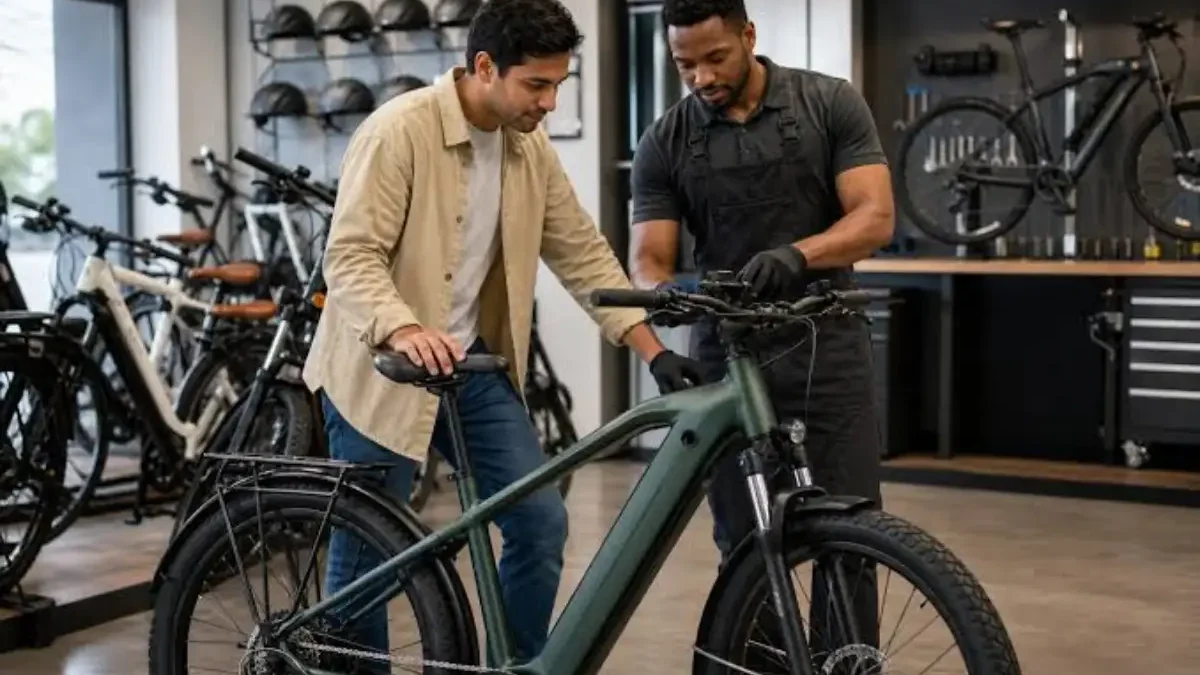
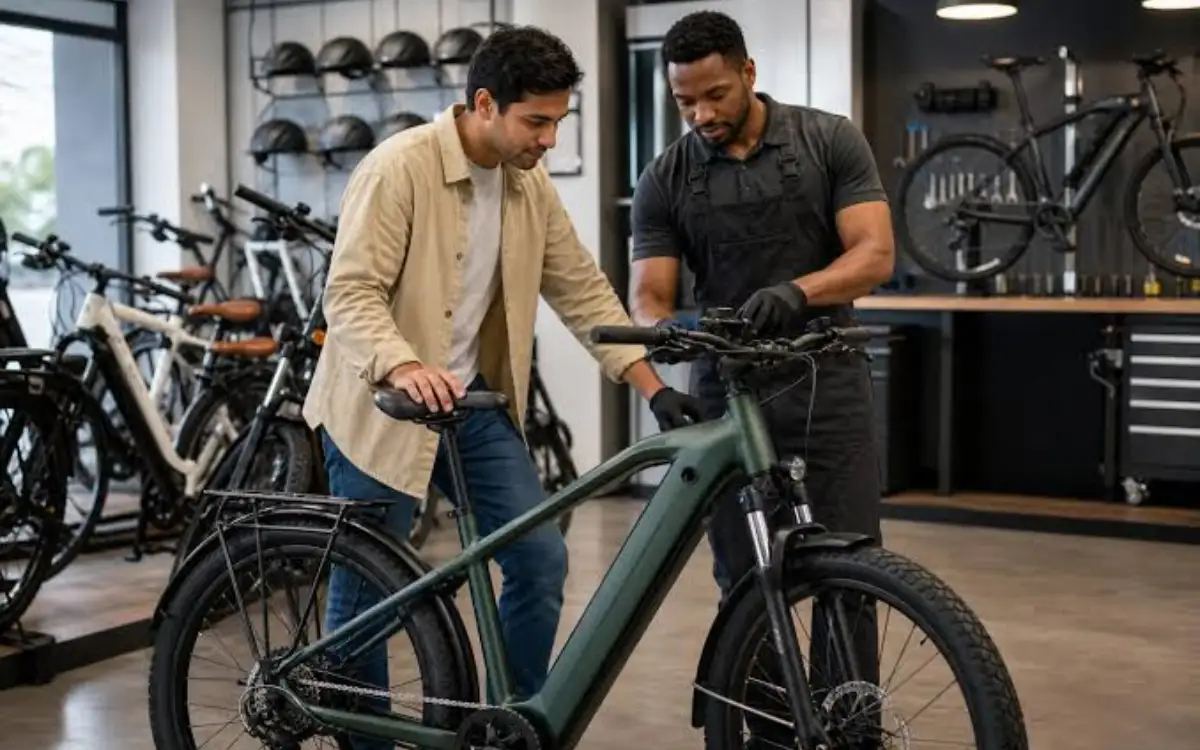
A dependable dealer can help with assembly, routine maintenance, troubleshooting, and warranty claims. Before buying an e-bike, check whether servicing is available near you and whether replacement batteries and other components can be obtained when needed.
Regular maintenance can also extend the life of an electric bicycle. Keep the chain clean and lubricated, check the tyre pressure, inspect the brakes, and follow the manufacturer’s recommendations for charging and storing the battery.
Understanding the Electric Bicycle Brake System
Brakes allow a rider to slow down or stop a bicycle safely and under control. A typical bicycle braking system includes levers mounted on the handlebars, a mechanism that transfers the force, and braking components that create friction to slow the wheels.
The two common braking categories are rim brakes and disc brakes. Each has its own design, advantages, and maintenance requirements.
How Rim Brakes Work
Rim brakes use brake pads that press against the wheel’s rim. When the rider squeezes the brake lever, the force is transferred through a cable or another mechanism, causing the pads to press against the rim.
The resulting friction slows the wheel and brings the bicycle to a stop. Rim brakes are generally straightforward to maintain and are often found on more affordable bicycles.
However, their performance can be affected by rain, mud, and dirt. The braking surface on the rim also wears over time, so both the pads and the rims require periodic inspection.
How Disc Brakes Work
Disc brakes use a rotor attached to the wheel hub and a calliper mounted to the frame or fork. When the rider applies the brake lever, the calliper presses brake pads against the rotor, creating friction that slows the wheel.
Disc brakes can provide consistent stopping performance in a wide range of conditions, including wet weather. They are commonly used on electric bicycles because the added weight of the motor and battery, along with the speeds that some models can reach, makes dependable braking particularly important.
Disc brakes also avoid using the wheel rim as the braking surface. However, their rotors and pads still wear over time and need inspection and replacement when necessary.
Braking Power in Electric Bicycles
Disc brakes are often a good choice for electric bicycles because they can deliver strong, controlled braking. Their performance in wet conditions can be more consistent than that of many rim brakes, although the result depends on the specific components, setup, and riding conditions.
Mechanical disc brakes use cables to operate the callipers, while hydraulic disc brakes use fluid pressure. Both types are available on electric bicycles, with performance depending on the quality and design of the system.
Rim brakes can still work well for certain bicycles and everyday riding conditions, but their performance may be reduced when the rims are wet or contaminated. They also gradually wear the rim’s braking surface.
Regardless of the braking system, regular inspection is essential. Check the brake pads, rotors or rims, cables or hydraulic lines, and lever operation. Because electric bicycles can be relatively heavy, riders should practise controlled braking and leave adequate stopping distance, particularly when travelling downhill or carrying cargo.
Conclusion
It is time to rethink how we approach cycling. An electric bicycle can be more than a source of recreation; it can also be a practical means of transportation that makes everyday journeys easier and more convenient.
With pedal assistance, riders can cover longer distances, tackle hills with less effort, and incorporate more physical activity into their daily routines. E-bikes may also help reduce reliance on cars for suitable short journeys, contributing to cleaner and more sustainable urban transportation.
Before choosing an electric bicycle, consider battery range, motor assistance, braking performance, warranty coverage, maintenance, and the availability of local service. With the right model and proper care, an electric bicycle can be a useful and enjoyable option for commuting, exercise, and everyday travel.