

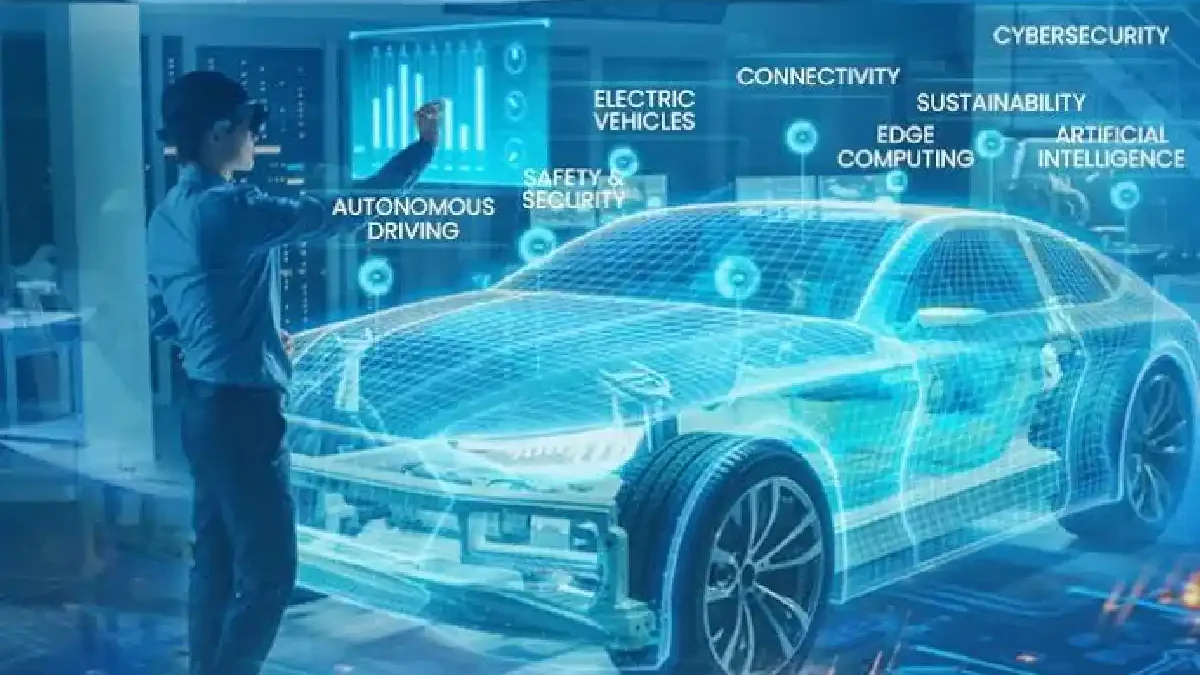
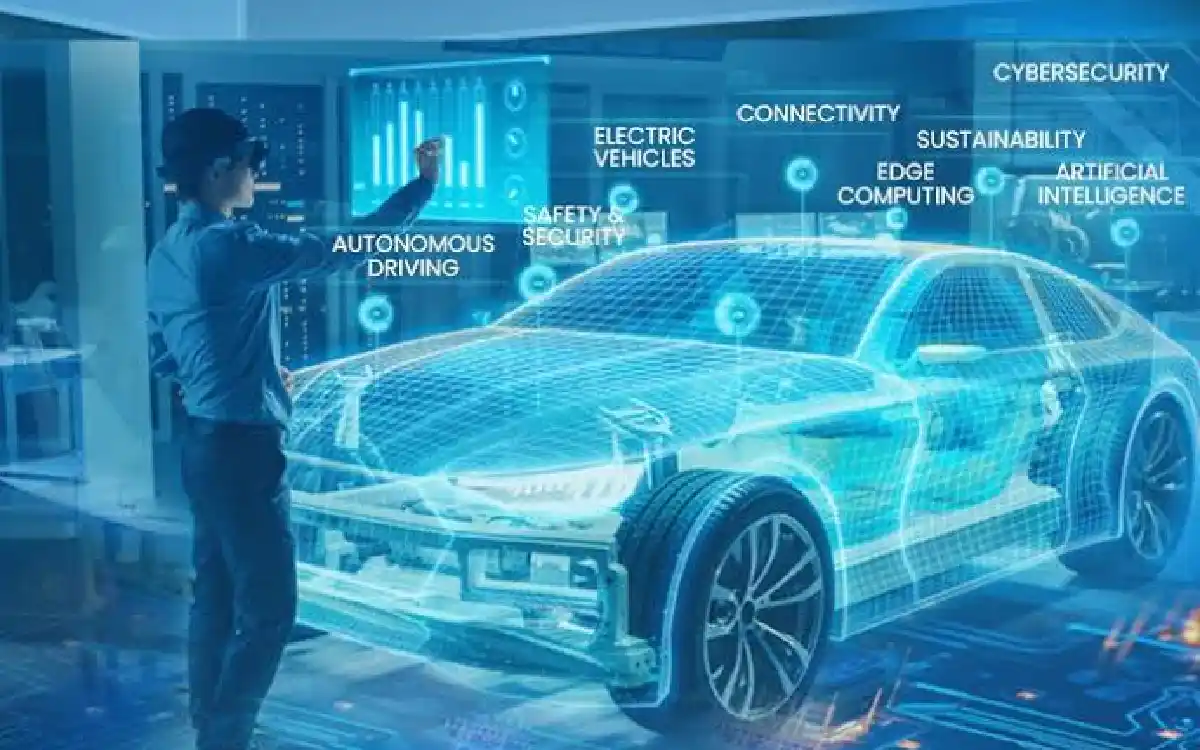
The automotive industry continues to evolve as new technologies reshape how people drive, travel, and interact with vehicles. From electric and autonomous vehicles to connected-car systems and advanced safety features, innovation is changing the future of transportation.
Understanding these developments helps drivers, businesses, and automotive enthusiasts keep up with an industry that is becoming increasingly digital, connected, and environmentally conscious. This article explores the key automotive technology trends and how they may influence the vehicles and transportation systems of tomorrow.
Table of Contents
Introduction to the Automotive Industry and Technology
Since the development of the first automobiles in the late nineteenth century, the automotive industry has undergone significant changes. Advances in engineering, electronics, software, and manufacturing have transformed vehicles from basic forms of transportation into sophisticated machines.
Today, technology plays a central role in automotive innovation. Manufacturers are developing electric and hybrid vehicles, introducing driver-assistance systems, and connecting vehicles to digital networks. These developments aim to improve efficiency, convenience, safety, and the overall driving experience.
Digital platforms are also changing how people access information and services. Automotive businesses increasingly rely on online communication, digital content, and data-driven tools to reach customers and understand their needs. Broader digital topics, such as www.globo.com absolutamente tudo, illustrate the variety of content and information available through online platforms.
The Rise of Electric and Autonomous Vehicles
Electric vehicles (EVs) are becoming an important part of the automotive industry’s transition towards alternative powertrains. Unlike conventional petrol and diesel vehicles, battery-electric vehicles use electric motors powered by rechargeable batteries. Depending on the electricity source, vehicle design, and driving conditions, they can reduce direct emissions and may offer lower running costs.
Manufacturers are investing in battery technology, charging infrastructure, and more efficient electric powertrains. Hybrid vehicles also provide another option by combining an internal combustion engine with an electric motor.
Autonomous driving technology is another significant area of development. Automated driving systems use cameras, radar, sensors, and onboard computing to interpret their surroundings and assist with driving tasks. Some systems can handle specific functions, such as adaptive cruise control and lane assistance, while more advanced automation remains subject to technical, regulatory, and safety limitations.
Companies across the automotive and technology sectors continue to develop these systems. Although fully autonomous vehicles are not yet suitable for every road, weather condition, or driving situation, continued research may expand their capabilities over time.
Connected Cars and the Internet of Things (IoT)
Connected cars use internet connectivity, sensors, and digital software to provide drivers with useful information and vehicle services. Depending on the model and available features, these systems may offer navigation updates, traffic information, remote vehicle access, emergency assistance, and vehicle-health monitoring.
The Internet of Things (IoT) extends connectivity by allowing devices and systems to exchange information. In the automotive sector, connected technologies may enable communication between vehicles, road infrastructure, service centres, and other digital systems.
These capabilities can help drivers plan journeys, identify potential maintenance issues, and access certain features remotely. Connected systems may also support traffic management and improve the flow of information between vehicles and infrastructure.
However, increased connectivity creates challenges involving cybersecurity, data privacy, software updates, and system reliability. Manufacturers must protect vehicle systems and personal information while ensuring that essential driving functions remain safe.
Big Data and Analytics in the Automotive Industry
Modern vehicles can generate substantial amounts of information about performance, component condition, energy consumption, and driving behaviour. When collected and analysed responsibly, this data can help manufacturers and service providers identify patterns and improve vehicle design.
For example, predictive maintenance systems can use vehicle data to identify signs of possible component failure before a breakdown occurs. Manufacturers can also analyse performance information to improve energy efficiency, understand customer requirements, and refine future models.
This growing collection of information can represent a mother lode of useful insights for automotive businesses. The term Motherload also serves as a related reference for readers exploring other topics across the website.
Data analytics may also support fleet management by helping businesses monitor vehicle usage, plan maintenance schedules, and reduce unnecessary downtime. However, the benefits depend on the quality of the data, the accuracy of the analysis, and appropriate safeguards for privacy and security.
The Future of Mobility and Transportation
The future of mobility is being shaped by electric powertrains, digital connectivity, automation, and changing travel preferences. Ride-sharing, car-sharing, and on-demand transportation services give some consumers alternatives to owning a vehicle. These services may be particularly useful in urban areas where parking, congestion, and vehicle ownership costs are significant concerns.
Technology can also help transport operators coordinate vehicles, monitor journeys, and make better use of available resources. Electric fleets and improved route planning may contribute to more efficient transportation, although their overall benefits depend on local infrastructure, energy sources, and travel demand.
As vehicles become more connected, digital communication and online communities will continue to play a role in how people discover automotive products, share experiences, and discuss technology. Social platforms, for example, give users ways to follow updates and interact with communities; our article on what happens when someone is not following you on Facebook explores a related aspect of online interaction.
Businesses also use digital promotions and online campaigns to attract audiences. Readers interested in internet-based promotions can explore Grabagun Giveaway as another example of content covering a different area of the digital landscape.
Despite these developments, the future of mobility will not depend on technology alone. Affordability, charging and transport infrastructure, road safety, public policy, and consumer confidence will all influence how quickly new solutions become widely adopted.
Conclusion
Automotive technology is transforming vehicle design, driving assistance, connectivity, and transportation services. Electric vehicles offer an alternative to conventional powertrains, while autonomous-driving research and connected-car systems continue to expand the industry’s technical capabilities.
Big data and analytics can help manufacturers improve vehicle performance and support predictive maintenance, while digital mobility services offer new ways for people to travel. At the same time, cybersecurity, data privacy, affordability, and infrastructure remain important challenges.
As these technologies develop, staying informed about automotive innovation can help drivers and businesses understand emerging opportunities and make better decisions about the future of transportation.