

Table of Contents
Tesla Model 3 – Introducing
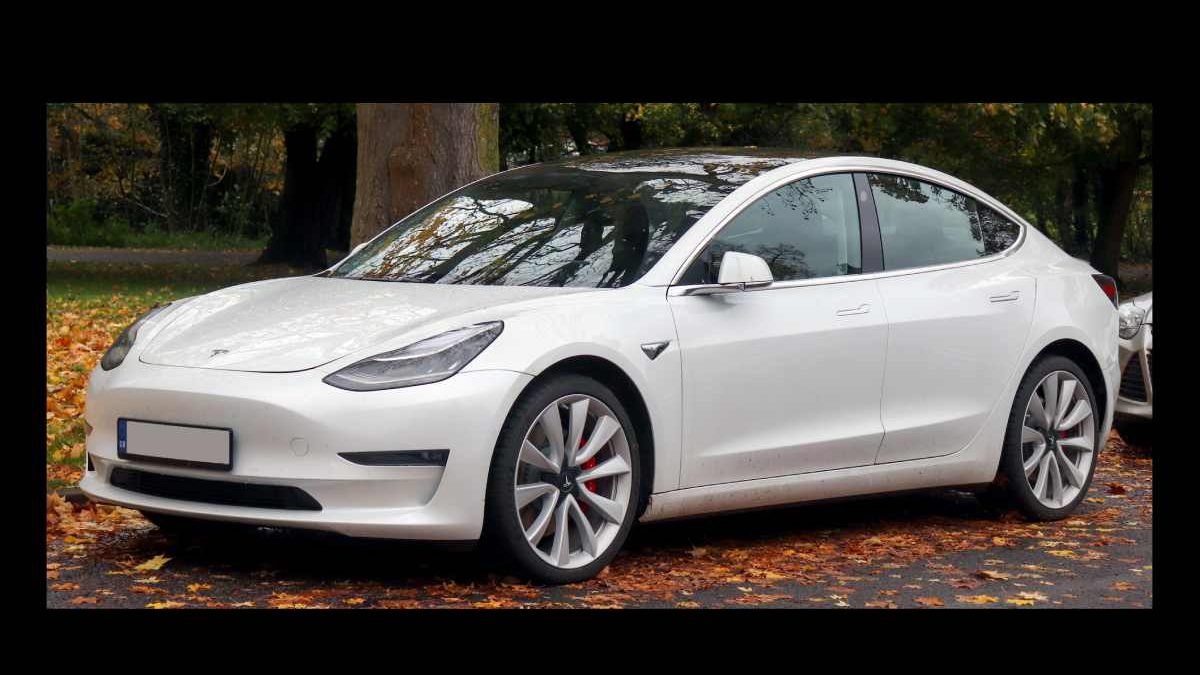
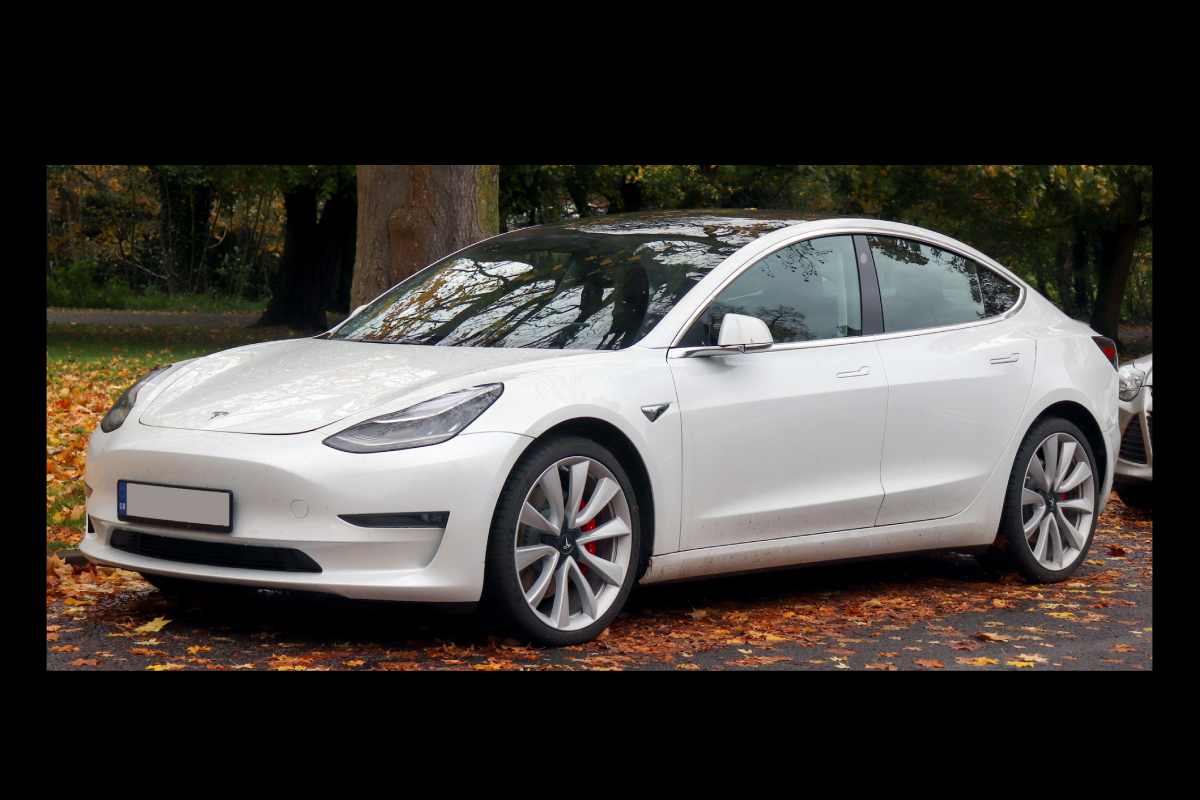
The Tesla Model 3 is an all-electric sedan designed to combine modern styling, impressive performance, and everyday practicality. It features a five-door body style, seating for five passengers, and an electric powertrain. Depending on the version and model year, the Model 3 offers different battery capacities, driving ranges, and performance levels.
Among its competitors is the BMW i4, another premium electric sedan that focuses on comfort, technology, and performance. The Model 3 has also received updates to its exterior design, energy efficiency, heating system, and cabin insulation over the years.
In late 2020, Tesla introduced updates that included styling refinements, improved efficiency, and laminated front windows to help reduce road noise. The Model 3 has since continued to evolve, with specifications varying by model year and market.
One of the key advantages of the Model 3 is that it runs entirely on electricity and produces no tailpipe emissions while driving. Before choosing an electric car, buyers can also read this guide to purchasing your EV in 2024 to learn more about the factors involved in selecting an electric vehicle.
How Much Does the Tesla Model 3 Cost?
The price of the Tesla Model 3 depends on the country, model year, battery configuration, available equipment, taxes, and applicable incentives. Earlier price listings in some European markets placed the starting price at approximately €46,970, although prices and available offers can change over time.
Buyers should check the official pricing for their region and compare the total ownership costs before making a decision. Factors such as charging expenses, insurance, maintenance, and local incentives can all influence the overall cost of owning an electric vehicle.
Design Details: Interior and Exterior
The Tesla Model 3 was introduced as a more accessible option within Tesla’s vehicle range, alongside models such as the Model S, Model X, and Model Y. Its streamlined design combines the appearance of a sports sedan with the practicality needed for everyday driving.
The exterior features a smooth front end without a conventional grille, sleek headlamps, and a sloping roofline that flows toward the rear. Since the vehicle uses an electric powertrain, it does not need the same engine compartment as a conventional petrol or diesel car. The front compartment can therefore provide additional storage space.
From the side, the Model 3’s sweeping roofline and flush-fitting door handles contribute to its aerodynamic appearance. Depending on the version, the car may feature large alloy wheels and cameras integrated into the bodywork to support its driver-assistance systems.
The door handles sit close to the bodywork and extend or operate according to the vehicle’s design. Entry can be managed through a compatible phone key or key card, depending on the owner’s setup and the vehicle’s specifications.
At the rear, the boot provides space for luggage, while the glass roof creates a more open feeling inside the cabin. The charging port is integrated into the rear bodywork, allowing owners to connect compatible charging equipment without a separate external charging flap.
Wheel selection is worth considering when buying a Model 3. Larger wheels can enhance the car’s appearance, but tyre choice and wheel size may affect ride comfort, efficiency, and replacement costs.
Charging access is another important consideration. Tesla’s Supercharger network is available in many regions, but availability varies by country and location. Buyers should check the local charging infrastructure and connector compatibility before relying on long-distance electric travel.
Measurements and Interior
Storage Space
The Tesla Model 3 offers storage at both the front and rear. The rear boot provides room for everyday luggage, shopping, and travel bags, while the front storage compartment offers additional space for smaller items.
Some older specifications list approximately 425 litres of rear storage and 117 litres of front storage, although capacity measurements can differ by model year and measurement method. The combined storage area makes the Model 3 practical for commuting, family use, and longer journeys.
The rear seats also provide additional flexibility when more cargo space is needed. Actual capacity depends on the vehicle configuration and how the storage compartments are measured.
Multimedia and Infotainment
A central touchscreen is one of the most recognisable features of the Tesla Model 3’s minimalist interior. In earlier versions, a 15-inch display served as the main interface for accessing vehicle settings, navigation, climate controls, media, and other functions. Screen size and features may vary between model years.
The infotainment system integrates a range of connected functions. Depending on the vehicle and region, these can include navigation, Bluetooth, internet connectivity, music-streaming services, and wireless software updates.
Software updates can introduce new features, improve existing functions, and address certain technical issues. The availability of individual services depends on the vehicle, connectivity, subscription requirements, and local market.
The Tesla app also allows owners to manage selected vehicle functions remotely, check charging information, and use compatible phone-key features. This reduces the need to carry a traditional car key for everyday use.
The Tesla Model 3 Has a Wide Range of Benefits
The Tesla Model 3 offers more than electric propulsion. Its combination of technology, storage, connectivity, and distinctive design makes it appealing to drivers looking for an electric vehicle for everyday use.
Number 1: All-Glass Roof
The Model 3’s expansive glass roof is a distinctive exterior and interior feature. It gives the cabin an open feeling and allows natural light to enter the passenger area.
The roof also contributes to the car’s streamlined appearance. Its construction is designed to meet applicable vehicle safety requirements, although specific safety ratings and test results depend on the model year and the testing organisation.
Number 2: Keyless Entry
The Model 3 supports convenient access through compatible digital-key features. Owners can use a supported smartphone as a key and can also use a key card, depending on the vehicle’s configuration.
With the appropriate setup, the phone key can automatically unlock the car when the owner approaches and lock it after leaving. This provides a convenient alternative to carrying a conventional key.
Number 3: Minimalist Interior and Hidden Air Vents
The interior follows a minimalist design approach, with most major controls accessed through the central touchscreen. The dashboard has a clean appearance, and the air vents are integrated into the interior design rather than prominently displayed.
This arrangement creates a simple, uncluttered cabin. It may take new drivers some time to become familiar with touchscreen-based controls, but the layout reflects Tesla’s emphasis on digital interfaces.
Number 4: Electric Performance
Electric motors can provide responsive acceleration, making the Model 3 feel quick and smooth during everyday driving. Performance varies according to the version, battery, motor configuration, and model year.
The electric powertrain also eliminates tailpipe emissions while driving. Its overall environmental impact depends on factors such as electricity generation, battery production, and the vehicle’s lifetime use.
Number 5: Software Updates
Tesla vehicles can receive over-the-air software updates that improve selected features or introduce new functionality. Depending on the update, changes may affect infotainment, vehicle settings, driver-assistance features, or system performance.
Owners should review update notes and vehicle notifications to understand what has changed. Software updates do not automatically replace every physical inspection, repair, or maintenance requirement.
Number 6: Front and Rear Storage
Because the Model 3 is electric, it can provide storage compartments at both ends of the vehicle. The front compartment is useful for smaller bags or items, while the rear boot accommodates larger luggage.
This layout adds practicality without requiring a conventional front-mounted combustion engine.
Number 7: Connected Navigation
The vehicle’s navigation system can help drivers plan journeys and identify destinations. Depending on the software, market, and available connectivity, route planning may also incorporate charging stops.
Drivers should still check charging-station availability and plan for changes in weather, traffic, and travel distance when making longer journeys.
Number 8: Charging Options
The Model 3 can be charged at home or through compatible public charging stations. Home charging can be convenient for drivers who have suitable off-street parking and electrical infrastructure.
Public charging is particularly useful on longer trips. Charging speed depends on the vehicle, battery temperature, current battery charge, and the power output of the charging station.
Number 9: Driver-Assistance Features
Depending on the version and market, the Model 3 includes driver-assistance features designed to support the driver in certain situations. Their availability and capabilities differ by configuration and software version.
These features do not make the vehicle fully autonomous. Drivers must remain attentive, supervise the vehicle, and follow local traffic laws and the manufacturer’s instructions.
Number 10: An All-Electric Ownership Experience
For drivers looking to move away from petrol or diesel vehicles, the Model 3 offers an all-electric alternative. Owners may benefit from lower routine powertrain maintenance requirements and the ability to charge at home, where practical.
However, ownership costs vary. Buyers should consider insurance, tyres, repair availability, charging access, electricity prices, and battery warranty terms when comparing the Model 3 with other cars.
It is also sensible to check relevant safety notices before purchasing or continuing to drive any vehicle. Tesla owners can read more about Tesla recalls to understand why recall notices matter and how owners can check whether their vehicles require a software update, inspection, or repair.
Electric Vehicle Ownership and Legal Considerations
Electric vehicle owners should understand the rules that apply in their location. Depending on the country or region, requirements may cover vehicle registration, insurance, charging installations, road use, and safety standards.
These rules can change, so buyers should consult current local requirements before purchasing or installing home charging equipment. For more information, read this guide to the legal landscape of electric vehicles.
Conclusion
The Tesla Model 3 combines an all-electric powertrain with streamlined styling, useful storage, connected technology, and a minimalist interior. Features such as the glass roof, phone-key access, central touchscreen, and software updates help distinguish it from many traditional sedans.
However, the right choice depends on individual needs and local conditions. Buyers should compare the available versions, check current prices and specifications, and consider charging access, safety information, and ownership costs before making a decision. With careful research, the Tesla Model 3 can be a practical option for drivers considering an electric car.