

Table of Contents
Automaker Audi – Explaining
Audi AG is a world-renowned German automobile manufacturer and one of the three major luxury carmakers, alongside Mercedes-Benz and BMW. Together, these companies are commonly known as the German Big Three, competing for leadership in the global luxury vehicle market.
From its headquarters in Ingolstadt, Bavaria, Germany, Audi operates internationally and sells vehicles across numerous markets. The company is recognised for its distinctive styling, advanced technology, premium interiors and performance-oriented engineering.
Audi’s history dates back to August Horch, who founded his first automobile company in the early 1900s. Following disagreements with the company’s supervisory board, Horch left his original business and established a new automobile company in 1909.
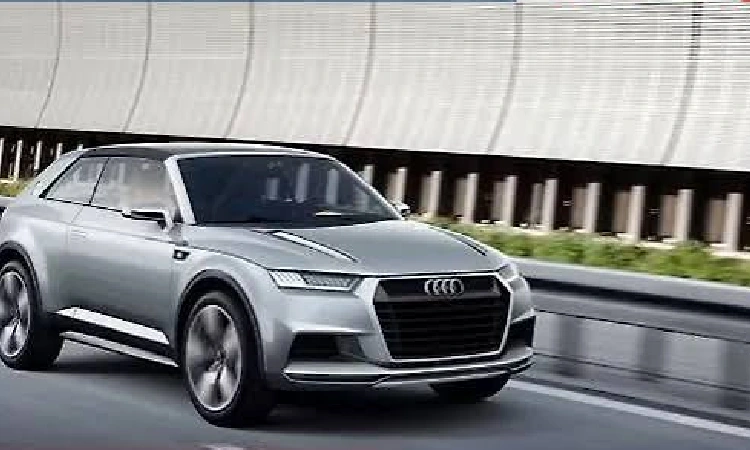
Automaker Audi Upcoming Models
The competition between Audi, BMW and Mercedes-Benz continues to influence the luxury automotive market. Each manufacturer strives to introduce innovative vehicles, improve performance and attract customers with new technologies and designs.
Indian luxury car buyers benefit from this competition through the introduction of new models, updated features and expanding electric vehicle options. Audi India has established a presence in the country’s premium automotive segment with a range of sedans, SUVs, performance cars and electric vehicles.
Upcoming and future Audi models can vary according to market demand, product strategy and launch schedules. Buyers should check Audi India’s official announcements for the latest confirmed launch dates and specifications.
The Company Trademark of Automaker Audi
After leaving his first automobile business, August Horch established another company in 1909. Due to trademark issues involving his former business, he adopted the name Audi. The word is commonly understood as the Latin translation of the German surname Horch, which means “listen.”
The first Audi-branded automobile appeared in 1910, marking the beginning of a brand that would eventually become one of the world’s most recognised premium automotive manufacturers.
Audi’s identity later became associated with its four-ring logo, representing the merger of four automobile manufacturers into Auto Union in 1932.
In India, Audi cars began appearing in the market in 2004. Audi India subsequently established its dedicated sales operations in 2007 as part of the Volkswagen Group’s Indian business structure. Over time, the brand developed a dealership and service network to support customers across the country.
India’s automotive history also includes several influential manufacturers and models. The Maruti 800 helped make personal car ownership more accessible to Indian families, while the Hindustan Ambassador became one of the country’s most recognisable cars.
Audi operates in a different segment of the market, focusing on luxury, advanced engineering and premium customer experiences.
Audi Models in India
Audi vehicles in India are known for their technology, distinctive designs, comfortable interiors and performance capabilities. The brand offers a combination of luxury sedans, SUVs, performance-oriented models and electric vehicles, with availability varying over time.
SUVs have become particularly important in the luxury segment as buyers increasingly seek elevated driving positions, spacious interiors and versatile everyday usability. Audi’s Q-series vehicles cater to this demand, while its A-series sedans appeal to customers who prefer traditional luxury-car styling.
The Indian luxury-car market has evolved considerably in recent years. Customers increasingly compare vehicles based on safety technology, infotainment, comfort, powertrain options, ownership costs and after-sales support.
Audi has responded to these changing preferences through product updates, performance models and electrification initiatives. However, model availability, prices and specifications can change, so buyers should confirm current details with Audi India before making a purchase.
For readers interested in the wider history of international carmakers, the Fiat Tipo sedan provides another example of how manufacturers have developed vehicles for different customer needs and market segments.
Most Fuel-Efficient Audi Cars
Audi vehicles are generally associated with premium comfort, dynamic handling and advanced equipment. Fuel efficiency may not be the primary consideration for every luxury-car buyer, but it remains important for customers who want to balance performance with running costs.
Fuel economy depends on several factors, including engine type, vehicle weight, transmission, driving conditions, traffic and maintenance. Smaller engines and certain mild-hybrid or plug-in hybrid powertrains may offer different efficiency characteristics from larger performance engines.
Electric Audi models do not consume petrol or diesel, although their running costs depend on electricity prices, charging efficiency, driving conditions and battery performance.
When comparing fuel-efficient Audi models, buyers should consider official efficiency figures alongside real-world owner experiences. It is also worth comparing servicing costs, insurance premiums, tyre prices and depreciation when calculating the overall cost of ownership.
Conclusion
Audi has developed from its early beginnings under August Horch into one of the world’s best-known luxury automotive brands. Its reputation is built on premium design, engineering, technology and a diverse range of vehicles.
In India, Audi has established a presence in the luxury-car market through its sedans, SUVs, performance vehicles and electric models. The company’s product strategy continues to evolve alongside changing customer preferences and the wider shift towards electrification.
For prospective buyers, understanding Audi’s history, vehicle categories, fuel efficiency and ownership costs can help when comparing models. Whether choosing a luxury sedan, a family SUV or an electric vehicle, checking current specifications, prices and availability is essential before making a final decision.