

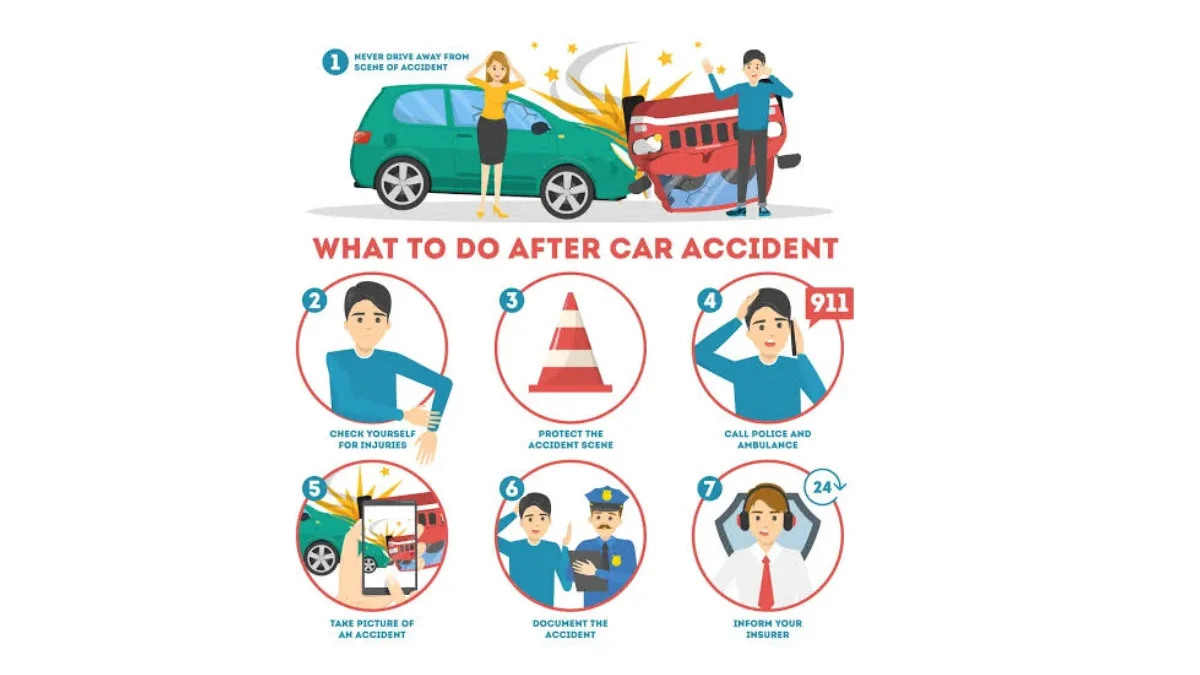
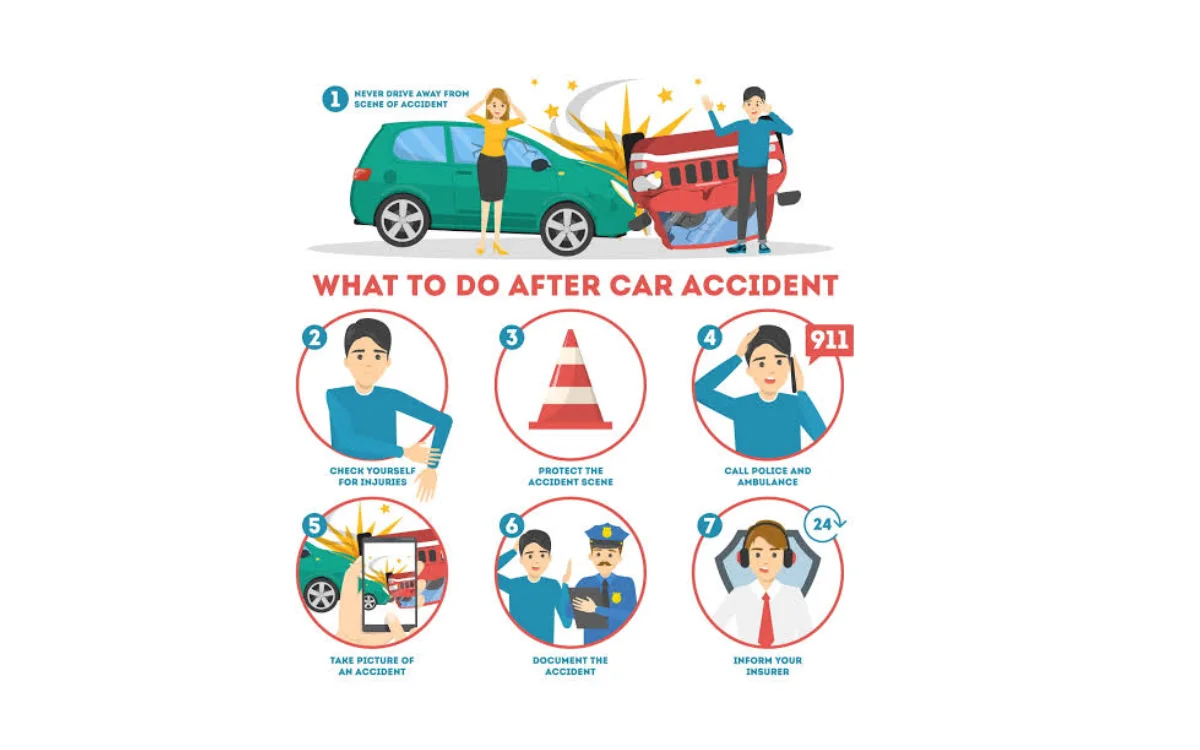
Every year, millions of car and light-truck crashes occur in the United States. Whether an accident is major or minor, it can be a frightening experience. Knowing what to do afterward can help you stay calm, protect your safety, and manage the legal and insurance procedures that follow.
Calling 911 when necessary, checking for injuries, and moving to a safe location are essential first steps. However, several other actions can help protect your rights and make the claims process easier.
If you are involved in a collision, the following steps can help you handle the situation responsibly and understand what to do next.
Important Steps to Take After a Car Accident

Table of Contents
1. Seek Legal Representation
After a serious car accident, consulting an experienced personal injury lawyer may help you understand your legal rights and available options. This can be particularly important if you have suffered injuries, the other driver is uninsured, liability is disputed, or the collision involves a hit-and-run.
A car accident lawyer may assist with gathering evidence, communicating with insurance companies, assessing potential damages, negotiating a settlement, and pursuing a lawsuit when appropriate.
An attorney can also help explain the legal procedures and deadlines that may apply to your case. The compensation available will depend on the circumstances of the accident, the applicable law, the evidence, and the relevant insurance policies.
For more information about this topic, read our guide on how legal representation works in a car accident.
Understand Your Legal Rights and Responsibilities
After a collision, it is important to understand your responsibilities regarding reporting, exchanging information, and cooperating with the relevant authorities.
The requirements can vary depending on the state and the circumstances of the accident. If you are unsure what you must do, consult the applicable state guidance or a qualified legal professional.
Our article on legal obligations and rights after a car accident provides additional information about the issues drivers may need to consider after a crash.
Accidents Involving Multiple Vehicles
Collisions involving several vehicles can be particularly complicated because different drivers may have contributed to the incident. Establishing the sequence of events, determining fault, and evaluating insurance coverage may require additional evidence.
Photographs, witness statements, police reports, and available video footage can help establish what happened. In complex cases, legal advice may be valuable when dealing with multiple claims and competing accounts of the collision.
Learn more in our guide to managing multi-vehicle crash lawsuits.
If You Are Hit by a Car
Not every accident involves someone driving a vehicle. Pedestrians and other road users can also suffer serious injuries when struck by a car.
If you are hit by a vehicle, seek medical assistance when necessary, contact the appropriate authorities, and document the incident when it is safe to do so. Collect the driver’s details and witness contact information where possible.
For additional guidance, read our article on four things to do if you are hit by a car.
2. Evaluate and Document the Damage
Documenting the accident and its consequences can help when dealing with insurance companies, repair shops, and legal professionals.
If it is safe to do so, photograph the damage to every affected vehicle, the surrounding road, traffic signs, visible debris, and any relevant road conditions. Record the date, time, location, and contact information of the other drivers and witnesses.
Keep copies of the police report, medical records, repair estimates, insurance correspondence, and receipts for expenses related to the accident.
Document Medical Treatment and Expenses
If you have been injured, seek appropriate medical attention and follow the advice of your healthcare professional.
Keep records of medical visits, diagnostic tests, prescribed medication, rehabilitation, and other accident-related expenses. These documents may be useful when submitting an insurance claim or discussing potential compensation with a lawyer.
Some injuries may not become apparent immediately after a collision. Pay attention to new or worsening symptoms and seek medical advice when needed.
Arrange an Assessment of Vehicle Damage
Notify your insurance company about the accident and follow its process for inspecting the damaged vehicle.
An insurance adjuster may evaluate the damage and estimate repair costs. If you disagree with the assessment, you may be able to obtain an independent repair estimate and submit it to your insurer for consideration.
Keep in mind that coverage, deductibles, repair authorisation, and settlement procedures depend on the terms of your policy and the applicable law. Review the insurer’s explanation before agreeing to a settlement you do not understand.
What If Your Car Cannot Be Repaired?
If a vehicle is considered a total loss, the insurer may determine that the cost of repair is too high relative to the vehicle’s value under the applicable policy and state rules.
Depending on the vehicle’s condition and local requirements, you may be able to sell it to a reputable salvage buyer or cash-for-cars service.
Before transferring ownership, confirm the vehicle’s title status, any salvage-title requirements, the buyer’s credentials, and the procedures for cancelling registration or notifying the relevant motor vehicle authority.
Do not leave a severely damaged vehicle unattended in a location where it creates a safety hazard or violates local rules.
Keep Your Vehicle Documents Up to Date
Vehicle registration and other required documents may also matter when dealing with the administrative consequences of a collision.
Requirements differ by state. For example, drivers in Florida should understand the applicable registration rules and potential consequences of allowing a vehicle registration to expire.
Our guide to the cost of an expired vehicle registration in Florida and what to expect provides further information on that specific topic.
3. Report the Accident to Your Insurance Company
Car insurance is designed to provide financial protection against covered losses resulting from accidents. The type of protection available depends on the policy, the circumstances of the crash, and state requirements.
Common types of coverage include:
Bodily Injury Liability: In applicable situations, this coverage helps pay for injuries and related losses suffered by other people when the insured driver is legally responsible for an accident.
Property Damage Liability: This may cover damage to another person’s vehicle or property when the insured driver is legally responsible.
Personal Injury Protection (PIP): Available under certain policies and state systems, PIP can help cover specified medical expenses and other eligible losses regardless of fault.
Medical Payments Coverage: This may cover certain medical expenses for eligible occupants, subject to the policy terms.
Collision Coverage: This can help pay for covered damage to your own vehicle following a collision, subject to the deductible and policy conditions.
Your health insurance may also help pay eligible medical expenses, depending on your plan and how other available coverage applies.
When Should You File an Insurance Claim?
Whether to file a claim depends on several factors, including:
- Who was responsible for the accident.
- The severity of vehicle damage.
- Whether anyone suffered injuries.
- The type and limits of your insurance coverage.
- The other driver’s insurance coverage, if applicable.
- Your deductible and the estimated repair costs.
- Any reporting deadlines or contractual requirements.
Contact your insurer promptly and follow the reporting instructions in your policy. Even when you are unsure whether you will file a claim, timely notification may be required.
Provide Accurate Information
Give your insurer a truthful and clear account of what happened. Provide the requested documentation, such as the police report, photographs, repair estimates, and witness information.
Avoid guessing about details you do not know or admitting fault before the circumstances have been established. Explain what you observed and let the appropriate investigation determine liability.
False statements or deliberately misleading information may affect coverage and can have serious legal consequences. If the facts are disputed or the accident involves significant injuries, consider seeking legal advice before agreeing to a settlement or making consequential statements.
Additional Considerations After a Car Accident
Beyond contacting a lawyer, documenting the damage, and notifying your insurer, keep copies of important paperwork and maintain a record of communications related to the accident.
Be cautious about accepting an immediate settlement before you understand the extent of the damage or injuries. Ask the insurer to explain the settlement calculation, applicable deductibles, and any release of claims that you are being asked to sign.
If another party disputes what happened, preserve relevant evidence and consider getting professional advice.
Legal disputes can arise in many different contexts, and the specific facts determine the appropriate legal approach. For another example of a business-related legal dispute, see our article about the Bench Craft Company lawsuit.
Final Thoughts
The best way to deal with a car accident is to reduce the risk of one occurring in the first place. Drive responsibly, stay sober, obey traffic laws, maintain your vehicle, and avoid distractions behind the wheel. However, even careful drivers can be involved in unexpected collisions.
If an accident happens, prioritise safety and medical assistance, contact the appropriate authorities when necessary, document the scene, and notify your insurance company. Legal guidance may also help you understand your rights and responsibilities, particularly when injuries are serious or fault is disputed.
A minor collision can disrupt your day, while a major crash can lead to substantial medical expenses, vehicle damage, and legal complications. Staying calm, preserving important information, and following the appropriate procedures can help you manage the situation more effectively.