

Table of Contents
Banana Seat Bike – An Introduction
A banana seat bike is known for its long, padded saddle and distinctive styling. Some balance bikes, such as the LT Banana Bike, are designed for young riders who are not yet ready to use pedals. These bikes can help children develop balance and coordination before moving on to a pedal bicycle. The LT Banana Bike is easy to assemble, features adjustable handlebars and a seat, and comes in three colours.
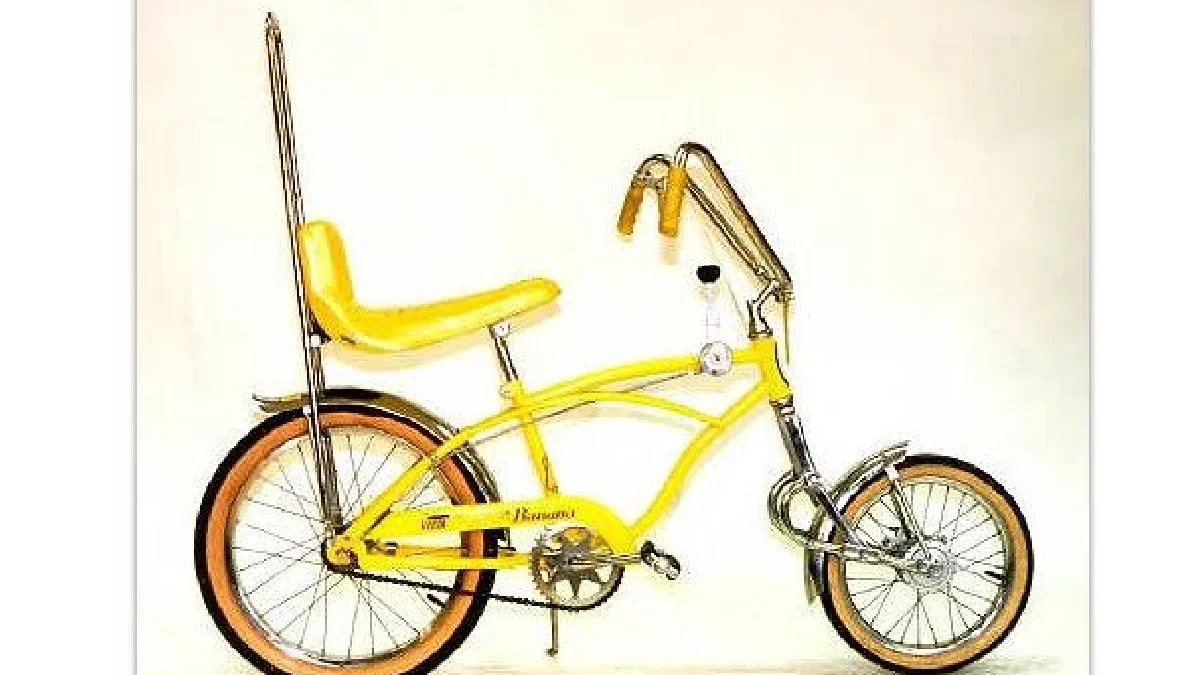
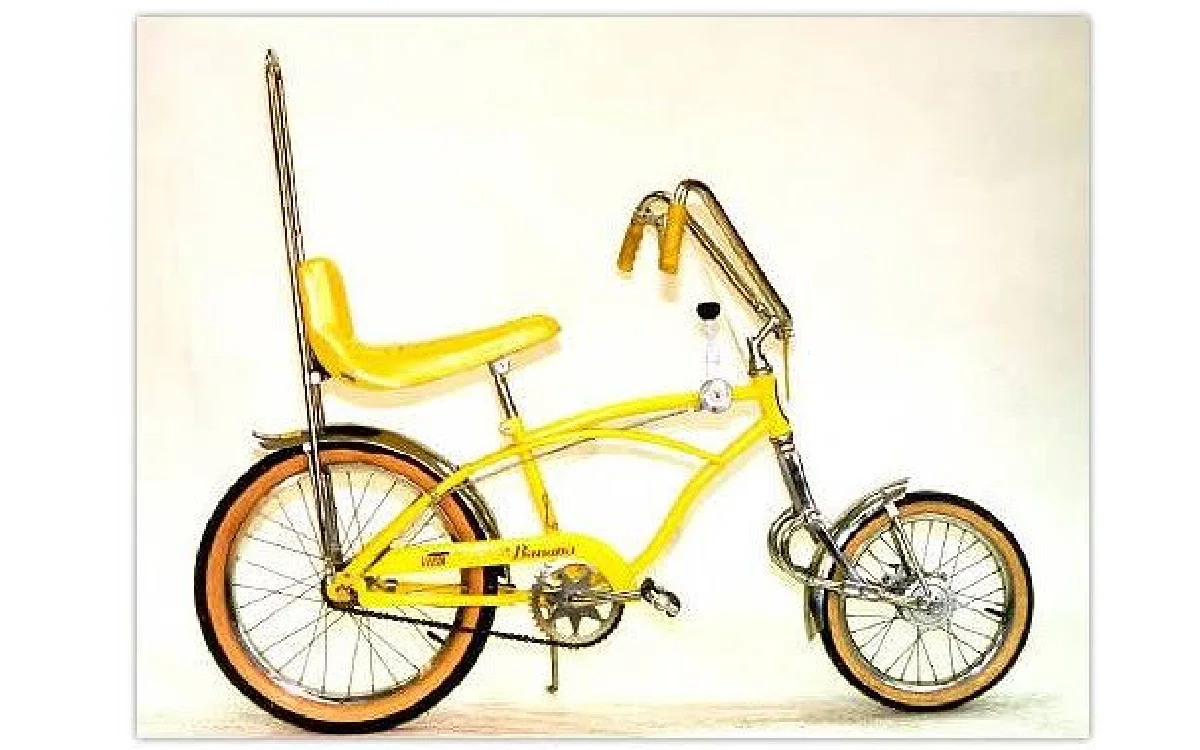
Bicycles with banana seats first became popular in the 1960s. Schwinn introduced the Sting-Ray in 1963, featuring a long banana-shaped seat and high-rise handlebars that gave the bicycle the appearance of a chopper motorcycle. The design quickly became popular with young riders. Its long, padded seat provided a different riding position and, depending on the model, could accommodate more than one rider.
Are Banana Seats Comfortable?
Although banana seats were initially popular for their distinctive styling, their longer shape also allowed manufacturers to provide additional padding and a larger seating area. Riders could adjust their position along the seat, making the design comfortable for certain types of casual riding.
However, comfort depends on the seat’s shape, padding, bicycle geometry, and the rider’s size. A banana seat may be enjoyable for relaxed rides, while a conventional bicycle saddle may provide better support for longer journeys or more demanding cycling.
Radical Styling
Today, banana seat bikes are recognized for their retro appearance, but their design was a significant departure from conventional bicycles in the 1960s. Many bicycles of that era were designed primarily for commuting and practicality, while banana bikes emphasized individuality, style, and fun.
The design borrowed elements from chopper motorcycles, including long seats, high-rise or ape-hanger handlebars, and distinctive frame shapes. Unlike conventional bicycle saddles, the banana seat stretched along the frame and gave the bike a low, elongated appearance.
Models such as the Huffy Dragster helped popularize this style, transforming bicycles into fashionable recreational products that young people could ride with friends.
Bikes with Banana Seats and Sissy Bars
Sissy bars became a recognizable styling feature on banana seat bicycles during the 1960s. On chopper-style motorcycles, these tall backrests could provide support for a passenger. On banana bikes, they were often used mainly to enhance the appearance of the bicycle and complement its elongated seat.
The design was inspired by customized motorcycles, which were modified to create distinctive silhouettes with extended forks, raised handlebars, and elongated frames. Motorcycle passengers could benefit from a backrest when properly designed and installed, while bicycle sissy bars were often primarily decorative.
On a banana seat bike, the tall bar behind the seat creates a classic chopper-inspired look. However, riders should not assume that a decorative sissy bar makes carrying a passenger safe. The bicycle must be designed and equipped for passenger use before carrying anyone else.
What Was the First Chopper Banana Bike?
Chopper-style bicycles draw inspiration from customized motorcycles. The word chopper refers to motorcycles that were modified by removing or changing components and altering their appearance.
During the 1960s, chopper motorcycles became known for features such as extended front forks, high-rise handlebars, large rear tires, and narrow front wheels. Bicycle manufacturers adapted some of these visual elements to create banana seat bikes with distinctive frames and riding positions.
Schwinn Banana Seat Bike
The Schwinn Sting-Ray became one of the most recognizable banana seat bicycles. Its design combined a long, padded seat with distinctive handlebars and a frame that differed from traditional bicycles.
Later models introduced variations in frame design, tire size, handlebar shape, and seat styling. The banana seat became an important feature of the bike’s appearance, creating an elongated silhouette that distinguished it from conventional bicycles.
The Raleigh Chopper also became popular, arriving in the United States in the late 1960s and the United Kingdom around 1970. It featured a smaller front wheel, a larger rear wheel, high handlebars, a tall backrest, and a frame-mounted gear lever on applicable versions.
The Raleigh Chopper became an iconic bicycle for a generation of British riders, particularly those who had limited access to earlier American models such as the Schwinn Sting-Ray and Huffy Dragster.
Banana Seat Bikes for Adults
Banana seat bikes are not limited to children. Adult riders can enjoy retro-style bicycles with long seats, custom frames, and wide tires. Some enthusiasts also customize their bicycles to resemble chopper motorcycles.
Motorized bicycle conversions are another option for experienced hobbyists. However, adding an engine requires compatibility checks, appropriate installation, and compliance with applicable regulations. Any conversion should be carried out with attention to braking performance, frame strength, chain clearance, and overall safety.
Will a Bicycle Engine Fit on a Banana Seat Bike?
Adults sometimes ask whether a motor can be fitted to a banana seat bicycle. In some cases, a conversion may be possible, but the result depends on the bicycle’s frame design, available space, wheel size, and the motor kit being used.
Wide rear tires and unusual frame geometry can make installation more complicated. The position of the engine, chain, sprocket, and fuel tank or battery must be carefully considered. Some conversion kits may also require a different chain length or additional mounting hardware.
Before modifying a bicycle, check the manufacturer’s instructions and confirm that the frame and brakes are suitable for the increased weight and speed. A bicycle not designed for motorized use may not be safe after conversion. An electric-assisted conversion may be a more appropriate option for some riders, provided it meets local rules and the bicycle’s design limitations.
Can You Put a Banana Seat on Any Bike?
Banana seats are available in a variety of shapes and mounting styles, but they are not compatible with every bicycle. Compatibility depends on the seat post, mounting hardware, frame design, and the space available around the rear wheel.
Some banana seats can be fitted to bicycles with suitable seat-post arrangements, while others require specific mounting components. Before purchasing one, check the dimensions and mounting instructions.
Appearance is also worth considering. A banana seat can give a bicycle a vintage or chopper-inspired look, but the seat should still provide a secure fit and a comfortable riding position.
Girls’ Banana Seat Bikes
Girls’ banana seat bicycles have historically been available in designs with step-through frames and decorative styling. Some frame designs can make motor installation more challenging because they do not have the same open space as a conventional crossbar frame.
Installing a motor may require specialized mounting arrangements, and the placement of the engine or battery must not interfere with the rider or the bicycle’s controls. Any conversion should prioritize safe mounting, adequate braking, and frame compatibility.
When considering an engine or electric conversion, riders should choose a suitable bicycle and a conversion system that complies with local regulations. A bicycle designed for ordinary riding may require substantial modifications before it can safely support a motor.
Banana Seat Bikes Today
The distinctive style of banana seat bikes continues to appeal to collectors and riders who enjoy vintage bicycles. Lowrider bicycles also feature elaborate designs, custom finishes, and decorative seats that emphasize appearance as much as everyday function.
Some modern electric bicycles draw inspiration from motorcycle styling, combining broad seats, chunky tires, and distinctive frames. These designs bring retro-inspired looks to contemporary cycling, although their performance and suitability vary by model.
People looking for a different style of bicycle can also explore brands and specialist cycling products. For example, Fanatik Bike provides another reference point for those researching bicycles and cycling equipment, while riders comparing general-purpose options may find it useful to learn about the perfect men’s bicycle.
Conclusion
Banana seat bikes remain popular for their distinctive appearance, long padded saddles, and connection to the bicycle culture of the 1960s and 1970s. From the Schwinn Sting-Ray to the Raleigh Chopper, these bicycles helped transform cycling into a recreational activity focused on personal style as well as transportation.
Modern banana seat bikes are available for children and adults, with designs ranging from simple balance bikes to custom-built cruisers. When choosing a model, consider the rider’s age, comfort, bicycle size, build quality, and intended use.
For buyers comparing affordable bicycles, looking into how Kent bikes are made can provide additional context about another bicycle brand. Ultimately, the best bike is one that suits the rider, fits properly, and is appropriate for the roads or paths where it will be used.
For young riders, a balance bike can help develop coordination before transitioning to a pedal bicycle. However, buyers should check details such as tire material, footrest availability, bearings, and other hardware, as some budget models may require regular tightening or maintenance. With the right fit and proper care, a banana seat bike can offer an enjoyable blend of comfort, nostalgia, and classic styling.