

Table of Contents
Vehicle Maintenance
Proper vehicle maintenance is essential for keeping your car safe, reliable, and efficient. Regular servicing can help prevent unexpected breakdowns, improve fuel economy, and preserve your vehicle’s value.
Modern vehicles use advanced electronic ignition systems, fuel injection, and onboard computers to manage important engine and transmission functions. Although these technologies have reduced the need for some traditional maintenance tasks, regular inspections and preventive care remain important.
Like any machine, a vehicle experiences wear and tear from daily use. Uneven roads, potholes, dust, extreme temperatures, and heavy loads can affect its condition over time. Regular vehicle maintenance helps identify problems early, reduce repair costs, and keep your car ready for everyday journeys.
Importance of Vehicle Maintenance and Servicing
Regular vehicle maintenance helps ensure that important systems operate as intended. Servicing is generally carried out at an automotive workshop or service centre, although owners can perform certain routine checks themselves.
The vehicle manufacturer’s owner’s manual provides the recommended servicing schedule, including information about oil changes, inspections, fluid replacement, and component maintenance. Following these recommendations is especially important because servicing requirements vary by vehicle model, engine type, age, and driving conditions.
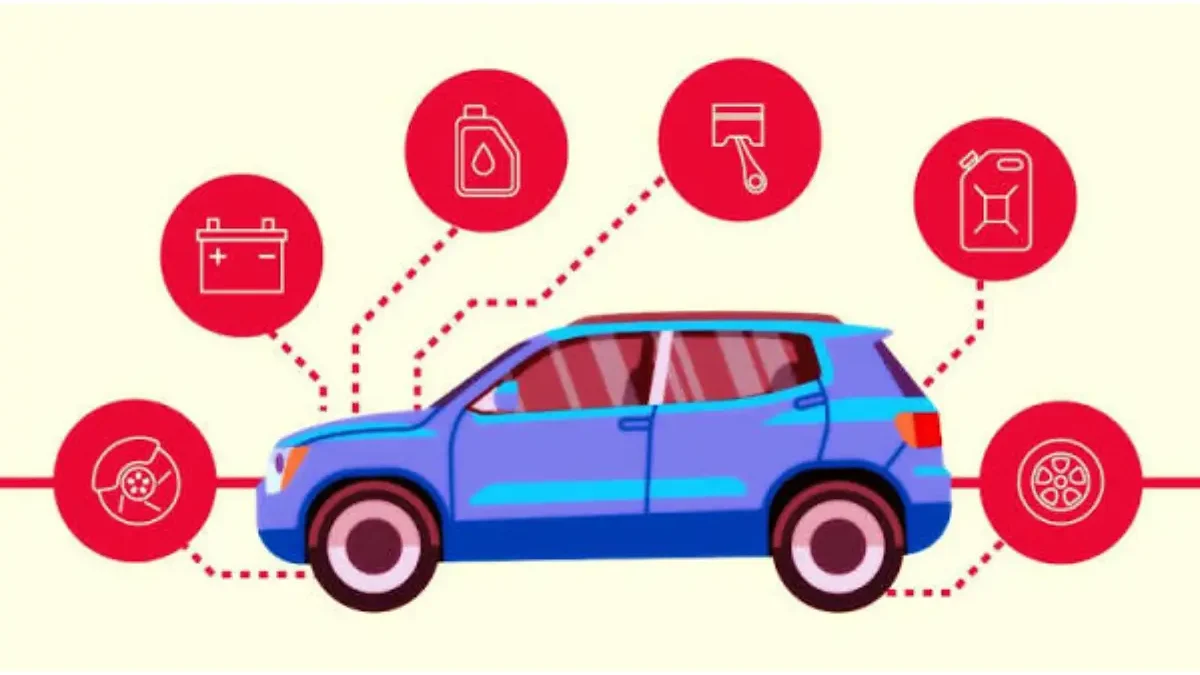
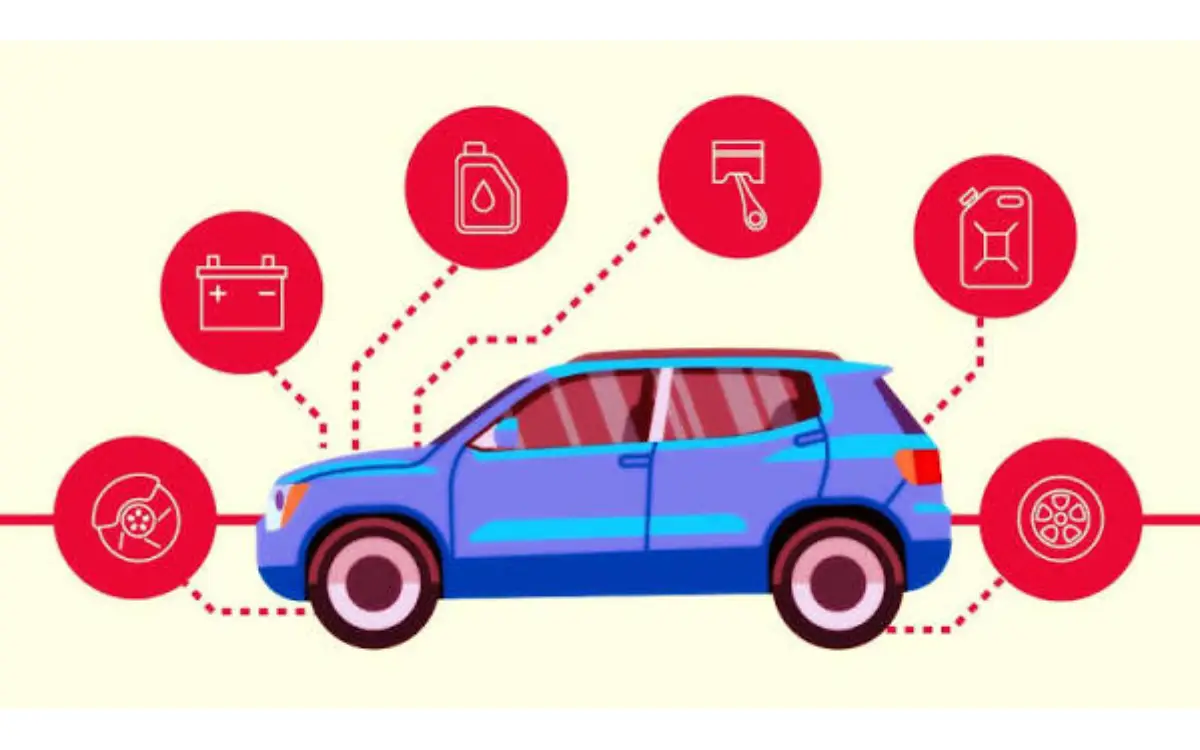
During regular maintenance, a qualified technician may inspect the following systems:
- Battery, charging system, and starting system.
- Engine mechanical components.
- Powertrain and transmission controls.
- Fuel delivery system.
- Ignition system.
- Exhaust and emission-control systems.
- Brakes, tyres, steering, and suspension.
- Cooling system and other essential fluids.
Preventive maintenance can help reduce the risk of expensive repairs, improve vehicle reliability, and maintain safe operating conditions.
Essential Vehicle Maintenance Tasks
1. Regular Engine Oil Changes
Engine oil lubricates moving components, reduces friction, helps manage heat, and carries contaminants away from critical engine parts.
Oil gradually deteriorates through use and exposure to operating temperatures. If it is not replaced according to the manufacturer’s recommendations, lubrication performance may decline and engine wear can increase.
Some older vehicles required oil changes every 3,000 miles, but this is not a universal requirement for modern vehicles. Many newer cars can go considerably longer between oil changes, depending on the engine, oil specification, and driving conditions.
Check your owner’s manual for the correct oil type and recommended service interval. Some vehicles also have oil-life monitoring systems that estimate when an oil change is due.
2. Inspect and Maintain the Brakes
The braking system is one of the most important safety systems in a vehicle. Regular inspections help identify worn brake pads, damaged discs, leaking brake fluid, and other problems before they become serious.
Warning signs of brake problems include unusual squealing or grinding noises, vibrations when braking, a soft brake pedal, or a vehicle that pulls to one side when stopping.
Do not ignore these symptoms. Have the braking system inspected by a qualified technician, particularly if braking performance has noticeably deteriorated.
The appropriate inspection interval depends on the vehicle and how it is driven. Frequent stop-and-go traffic, steep roads, and heavy loads can increase brake wear.
3. Maintain the Cooling System
The cooling system helps keep the engine within its intended operating temperature range. Depending on the vehicle, it may include a radiator, coolant reservoir, water pump, thermostat, hoses, and cooling fan.
Check the coolant level according to the manufacturer’s instructions and look for signs of leakage. Use the recommended coolant type rather than mixing incompatible products.
Coolant replacement intervals vary by vehicle and coolant specification. Instead of automatically flushing the system every two years, follow the manufacturer’s maintenance schedule.
If the engine overheats, stop safely and follow the vehicle manufacturer’s guidance. Never remove the radiator cap or open a pressurized cooling system while it is hot, as escaping steam or coolant can cause serious burns.
4. Check the Battery and Charging System
A vehicle battery supplies the electricity needed to start the engine and power electrical systems when required. The alternator generally supplies electricity while the engine is running and helps recharge the battery.
Many car batteries last approximately three to five years, although their lifespan depends on climate, driving habits, battery type, and vehicle usage.
As part of routine maintenance, check for battery damage, loose connections, or corrosion around the terminals. A technician can test the battery and charging system if the engine starts slowly or electrical components behave unusually.
A battery warning light may indicate a charging-system problem rather than a defective battery alone.
If the battery becomes discharged, use an approved jump-starting procedure suitable for your vehicle. Read these essential tips for safely jump-starting your vehicle before attempting to restart it.
You may also encounter information about starting a car with tweezers. Never use tweezers or improvised metal tools to bridge battery terminals. Use suitable jumper cables or a compatible jump starter and follow the vehicle manufacturer’s instructions to avoid short circuits, burns, or battery damage.
Tips to Extend the Life of Your Vehicle
Simple daily habits can help reduce unnecessary wear and keep your vehicle in good condition.
Drive Carefully
Avoid harsh acceleration, sudden braking, and unnecessarily aggressive driving. Smooth driving can reduce wear on several vehicle components and may also improve fuel efficiency.
Allow the engine to operate under appropriate conditions before demanding heavy performance, particularly in cold weather. Always follow the manufacturer’s driving recommendations.
Use Reputable Fuel Stations
Purchase fuel from reputable suppliers and use the grade specified for your engine. Fuel quality and the correct fuel type are important for reliable operation.
Never refuel a vehicle while its engine is running. Follow the safety instructions displayed at the fuel station and avoid other sources of ignition.
Keep the Vehicle Clean
Regularly cleaning the exterior and interior helps prevent the buildup of dirt and contaminants. Pay attention to areas such as wheel arches, door seals, the dashboard, and the underside of the vehicle when conditions warrant it.
Use automotive cleaning products suitable for the surfaces being treated. Abrasive materials or inappropriate chemicals can damage paintwork, upholstery, and interior trim.
Protect the Interior
Clean the seats, dashboard, floor mats, and other interior surfaces using compatible products. Avoid excessive moisture around electronic controls and electrical connectors.
Protective accessories can help reduce wear, particularly when children, pets, or work equipment are regularly carried in the vehicle.
Protect the Paintwork
Whenever possible, park in a covered area or shade to reduce prolonged exposure to direct sunlight. Regular washing helps remove dirt, bird droppings, tree sap, and other contaminants that may damage the paint finish.
Suitable waxes, sealants, or paint protection products can provide additional protection, depending on the product and surface condition.
Avoid Overloading
Carrying more weight than the vehicle is designed for can affect braking, handling, tyres, suspension, and fuel consumption.
Check the manufacturer’s permitted payload and load limits, and make sure cargo is distributed and secured properly. This is particularly important for pickup trucks and commercial vehicles.
Vehicle Maintenance and Repairs for Commercial Vehicles
Commercial vehicle owners and operators have additional responsibilities because an unexpected breakdown can disrupt deliveries, delay work, and create safety risks.
A well-managed preventive maintenance programme should include scheduled inspections, routine servicing, prompt repairs, and appropriate recordkeeping.
Commercial vehicle operators should consider the following practices:
- Conduct pre-planned preventive maintenance checks.
- Carry out daily walkaround inspections where required.
- Check tyres, brakes, lights, steering, and other safety-critical components.
- Schedule inspections according to vehicle condition, mileage, manufacturer recommendations, and applicable regulations.
- Arrange repairs through suitably qualified personnel.
- Keep maintenance and inspection records in accordance with relevant legal requirements.
The precise obligations depend on the vehicle type, jurisdiction, and whether the vehicle is being used commercially. Owners should check the applicable rules rather than assuming that one maintenance schedule is suitable for every vehicle.
For vehicles that require specialist recovery or transport, tilt-tray vehicle maintenance is another relevant topic to explore. Appropriate maintenance of specialist vehicles and their loading equipment is important for safe operation and reliable service.
Benefits of an Effective Preventive Maintenance Programme
A consistent maintenance programme can benefit individual vehicle owners and commercial operators alike.
Reduced Repair Costs
Identifying worn parts, leaks, and developing faults early may prevent them from causing more extensive damage. Preventive maintenance cannot eliminate every unexpected failure, but it can reduce some avoidable repair expenses.
Improved Fuel Efficiency
Correct tyre pressure, suitable engine oil, properly maintained engine components, and timely repairs can help a vehicle operate efficiently.
Fuel consumption also depends on driving style, traffic, terrain, weather, and vehicle loading, so maintenance is only one part of improving efficiency.
Increased Reliability
Regular inspections and timely servicing help reduce the likelihood of certain breakdowns. This is particularly valuable for drivers who depend on their vehicles for commuting, business activities, and long-distance travel.
Better Resale Appeal
A vehicle with a documented service history and well-maintained components can be more attractive to prospective buyers. Although maintenance does not guarantee a higher resale price, it helps demonstrate that the owner has taken reasonable care of the vehicle.
Improved Road Safety
Maintaining brakes, tyres, lights, steering, suspension, and other essential systems helps keep the vehicle in suitable operating condition.
Regular inspections also help operators identify problems that could affect passengers, drivers, and other road users.
Develop a Vehicle Maintenance Schedule
The easiest way to stay on top of maintenance is to follow a practical schedule based on your owner’s manual.
Before driving: Look for obvious tyre damage, warning lights, or fluid leaks. Check that the lights and windows provide adequate visibility.
Regularly: Monitor tyre pressure, fluid levels, battery condition, wiper performance, and other routine maintenance items as recommended.
During scheduled servicing: Ask a qualified technician to inspect the engine, brakes, suspension, steering, cooling system, and other components according to the manufacturer’s guidelines.
Before long journeys: Check tyre condition, fluid levels, lights, wipers, fuel level or battery charge, and emergency equipment.
When warning signs appear: Arrange an inspection promptly if you notice unusual noises, vibrations, overheating, warning lights, reduced braking performance, or unexpected changes in fuel consumption.
Remember that service intervals depend on the vehicle and its operating conditions. Frequent short journeys, heavy loads, dusty roads, extreme temperatures, and stop-and-go driving may require additional attention.
Conclusion
Vehicle maintenance is essential for keeping a car safe, reliable, and efficient. Regular oil changes, brake inspections, cooling-system checks, battery maintenance, and attention to tyres can help prevent avoidable problems and extend the useful life of important components.
Good driving habits and regular cleaning also contribute to a vehicle’s overall condition. For commercial vehicles, planned inspections, proper repair records, and compliance with relevant regulations are particularly important.
Always consult your owner’s manual for the correct maintenance schedule and seek professional assistance when a problem affects safety or vehicle performance. A proactive approach to vehicle maintenance can help you avoid unnecessary repairs, reduce the risk of breakdowns, and enjoy more dependable driving.