

Table of Contents
Engine Cylinder – Introducing Its Types, Functions, and Importance
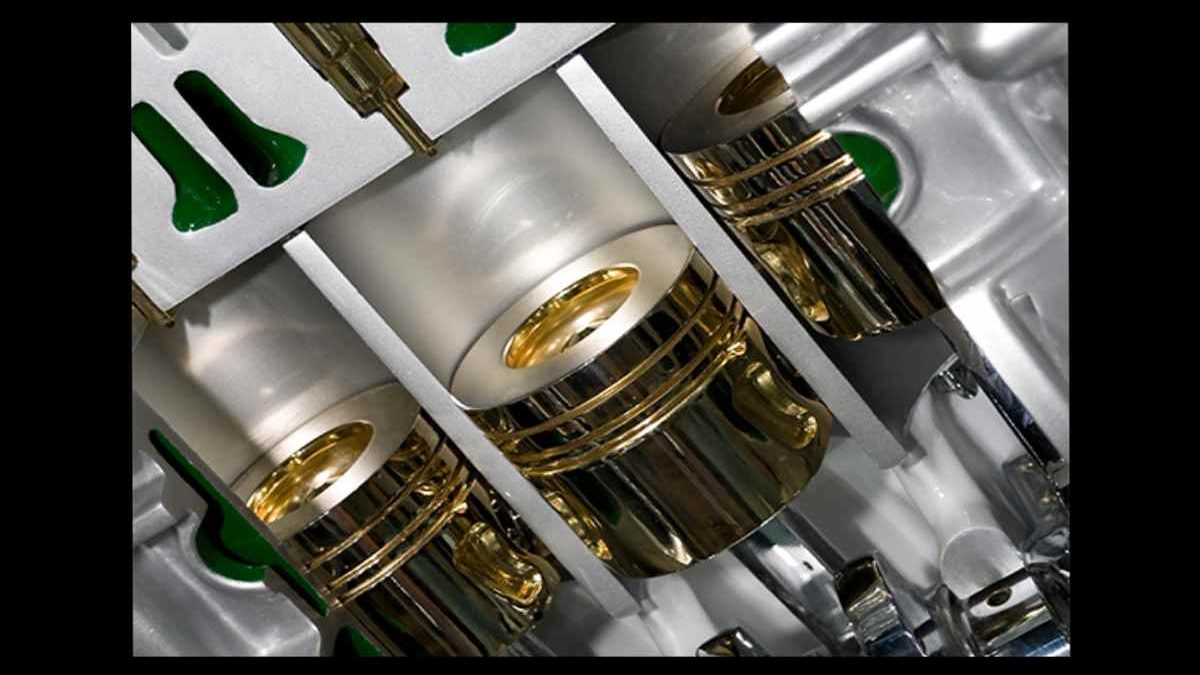
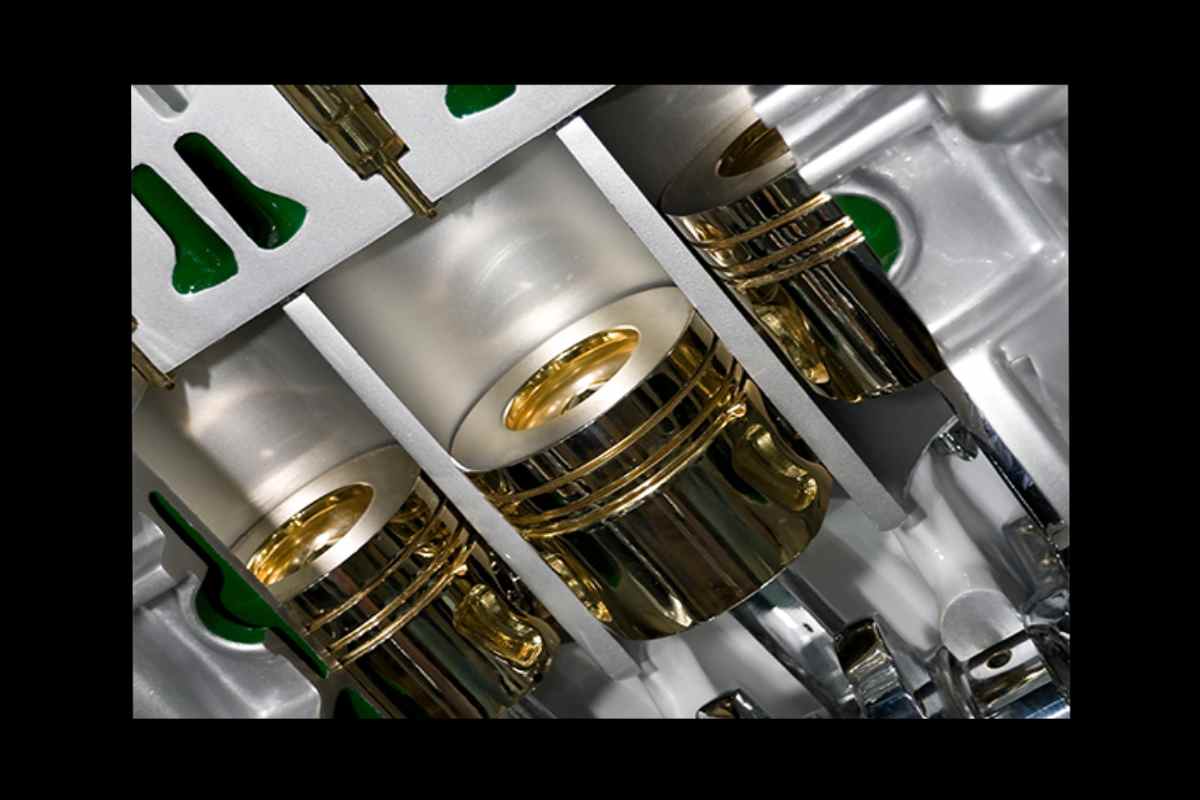
An engine cylinder is one of the most important components of an internal combustion engine. It houses a piston that moves up and down as the engine operates. The cylinder is designed with a carefully finished internal surface to help the piston move smoothly while minimizing friction and wear.
The number of cylinders varies according to the engine’s design. Many passenger cars use four-cylinder engines, while some vehicles use six- or eight-cylinder configurations to provide different levels of performance, smoothness, and power.
The cylinders are generally housed in or formed as part of the engine block. Their dimensions, together with the piston’s movement, determine the engine’s displacement. Engine displacement, fuel delivery, air intake, and combustion efficiency all influence the engine’s overall performance.
Material Used in Engine Cylinders
Engine cylinders are made from materials that can withstand high temperatures, pressure, and repeated mechanical forces. During combustion, the burning fuel and air mixture produces pressure that pushes the piston downward, placing considerable stress on the cylinder and related components.
Common materials include cast iron and aluminium alloys. Cast iron offers strength, durability, and good wear resistance, while aluminium alloys are lightweight and conduct heat efficiently.
The choice of material depends on the engine’s design, cooling requirements, intended performance, and manufacturing method. Proper lubrication and cooling are also essential for reducing wear and preventing overheating.
Types of Engine Cylinders
Engine cylinders and cylinder liners come in different designs depending on how they are manufactured, installed, and cooled. Wet and dry cylinder liners are two common designs used in certain internal combustion engines.
Wet Cylinder Liners
Wet cylinder liners are designed so that their outer surfaces come into direct contact with the engine’s coolant. This arrangement helps transfer heat away from the cylinder during engine operation.
Seals, commonly known as liner sealing rings, help prevent coolant and oil from leaking into areas where they should not mix. The liner must be installed correctly to maintain an effective seal and ensure reliable operation.
Wet liners can be useful in engines that require effective cooling and may be designed to make cylinder replacement easier during certain types of engine repair.
Dry Cylinder Liners
Dry cylinder liners fit into the engine block but do not come into direct contact with the engine coolant. Instead, heat transfers from the liner through the surrounding engine block before reaching the cooling system.
These liners are supported by the cylinder block and are generally fitted securely within their designated bores. Their construction and installation requirements differ from those of wet liners.
Both wet and dry liners provide a durable surface for piston movement. The choice depends on the engine’s design, manufacturing requirements, maintenance considerations, and operating conditions.
The Difference Between Four-Cylinder, V6, and V8 Engines
When purchasing a vehicle, understanding engine configurations can help you choose a model that suits your driving needs. Terms such as four-cylinder, V6, and V8 describe the number of cylinders and, in the case of V engines, how those cylinders are arranged.
A four-cylinder engine contains four cylinders, a V6 contains six cylinders arranged in two banks, and a V8 contains eight cylinders arranged in two banks.
Inside each cylinder, the piston moves as the engine completes its operating cycle. In a typical four-stroke petrol engine, the piston moves through intake, compression, power, and exhaust strokes. During the power stroke, combustion pushes the piston downward, transferring force through the connecting rod to rotate the crankshaft.
The crankshaft converts the pistons’ reciprocating movement into rotational motion. This rotation is then transmitted through the vehicle’s drivetrain to drive the wheels.
Four-Cylinder Engines
Four-cylinder engines are common in passenger cars because they can offer a useful balance between fuel efficiency, performance, weight, and manufacturing cost.
They generally have fewer moving components than larger engines, although actual efficiency depends on the engine design, vehicle weight, driving conditions, and driving habits.
Some four-cylinder engines may produce less power than larger engines of comparable technology and displacement. However, modern turbocharging and other engineering improvements allow many smaller engines to deliver strong performance without requiring additional cylinders.
V6 Engines
A V6 engine contains six cylinders arranged in two banks, typically forming a V shape. Compared with many four-cylinder engines, V6 engines can provide greater power and smoother operation, depending on their design.
They are commonly found in vehicles where a combination of performance, towing capability, and passenger comfort is important. However, a V6 is not automatically more powerful or less efficient than every four-cylinder engine; specifications and operating conditions matter.
V8 Engines
A V8 engine contains eight cylinders arranged in two banks. V8 engines are often associated with high performance, strong torque, and larger vehicles, including some pickups and performance cars.
Their additional cylinders can support high power output, but many V8 engines consume more fuel than smaller engines when compared under similar operating conditions. Modern engine technology can help improve efficiency, though the results vary between models.
Ultimately, the best engine configuration depends on your budget, driving habits, performance expectations, and the vehicle’s intended use.
How a Cylinder Engine Works
An internal combustion engine generates power by burning a mixture of fuel and air inside its cylinders. The resulting pressure moves the pistons, which turn the crankshaft and ultimately provide the mechanical power needed to move the vehicle.
A typical four-stroke petrol engine operates through four stages:
- Intake: The intake valve opens, allowing air and fuel—or air alone in systems that introduce fuel later—to enter the cylinder.
- Compression: The piston moves upward, compressing the mixture or air inside the cylinder.
- Power: In a petrol engine, a spark plug ignites the compressed air-fuel mixture. The expanding gases push the piston downward.
- Exhaust: The exhaust valve opens, and the piston pushes the burned gases out of the cylinder.
Diesel engines operate on a different ignition principle: they compress air until it becomes hot enough for injected fuel to ignite.
A turbocharger can help an engine produce more power by forcing additional air into the cylinders. With more air available, the engine can burn more fuel when required, potentially increasing power without increasing the number of cylinders.
Turbocharging does not automatically guarantee lower fuel consumption. Efficiency depends on how the engine is designed and operated, as well as the amount of power demanded by the driver.
How Engine Cylinders Work with Other Vehicle Components
The cylinders are part of a larger mechanical system. Their operation depends on reliable fuel delivery, ignition, lubrication, and cooling. The power they generate must also be transferred through the drivetrain to the wheels.
Engine Cooling System
Combustion produces substantial heat, so the engine requires a cooling system to maintain a suitable operating temperature. Depending on the vehicle, the system may include coolant passages, a radiator, a water pump, a thermostat, and one or more cooling fans.
If the engine becomes too hot, components can expand excessively, lubrication can deteriorate, and serious engine damage may occur. Learn more about the engine cooling fan and its function to understand how airflow helps regulate engine temperature.
Bearings and Rotating Components
The crankshaft and other rotating engine components rely on correctly designed and lubricated bearing surfaces. Bearings help support rotating shafts, maintain alignment, and reduce friction during operation.
Without suitable lubrication or adequate bearing condition, friction and wear can increase, affecting engine reliability. To learn more about these components, read this explanation of what bearings are and how they work.
Transmission and Power Delivery
After combustion moves the pistons and rotates the crankshaft, the drivetrain transfers the engine’s power to the wheels. The transmission helps match engine speed and torque to different driving conditions.
An automatic transmission performs gear changes without requiring the driver to operate a conventional clutch and select every gear manually. Its operation depends on the vehicle’s specific transmission design and control system.
Understanding this system can help explain how the engine’s power reaches the road. Read more about what an automatic transmission is and how it works.
Everything You Need to Know About Engine Cylinders
Engine cylinders provide the space in which combustion takes place and the pistons move. Their dimensions and arrangement influence engine displacement, packaging, performance, and other characteristics.
Inside each cylinder, the piston is connected to the crankshaft through a connecting rod. Valves control the flow of air and exhaust gases in engines that use a conventional valve arrangement. The fuel delivery and ignition systems then support combustion according to the engine’s design.
Cylinder arrangements vary between vehicle types. Common configurations include:
- Inline engines: Cylinders are arranged in a single row. Inline-four engines are particularly common in passenger cars.
- V engines: Cylinders are divided into two banks arranged at an angle to one another, as in V6 and V8 engines.
- Flat engines: Cylinders are arranged horizontally in opposing banks, creating a relatively low engine profile.
Each configuration has its own advantages and trade-offs involving engine size, balance, smoothness, manufacturing cost, and packaging.
The number of cylinders alone does not determine an engine’s overall quality or performance. Displacement, compression ratio, turbocharging, fuel delivery, engine management, and vehicle weight also play important roles.
Common Signs of Engine Cylinder Problems
Problems affecting a cylinder can reduce engine performance and, in some cases, cause serious damage if left unaddressed. Recognizing common warning signs can help drivers seek repairs before the problem becomes more severe.
Engine Misfires
A cylinder may misfire if the air-fuel mixture does not burn correctly. Possible causes include worn spark plugs, faulty ignition coils, fuel delivery problems, or insufficient compression.
Misfires may cause rough idling, shaking, reduced power, and an illuminated check-engine light. Severe or persistent misfires should be inspected promptly because they can damage the catalytic converter.
Overheating
An engine that runs too hot may have a cooling-system problem, such as low coolant, a faulty thermostat, a leaking hose, or a malfunctioning cooling fan. Severe overheating can damage cylinder surfaces, cylinder-head components, and head gaskets.
If the temperature warning light appears or the engine shows signs of overheating, stop in a safe location and follow the vehicle manufacturer’s instructions. Do not open a hot cooling system, as pressurized coolant can cause serious burns.
Unusual Smoke or Smells
Smoke from the exhaust can indicate several different problems. Blue smoke may suggest that engine oil is being burned, while persistent white smoke after the engine has warmed up may indicate coolant entering the combustion chamber. Black smoke can suggest an excessively rich fuel mixture.
These signs are not definitive diagnoses, and their meaning depends on the engine type and operating conditions. A qualified technician can inspect the vehicle to determine the cause.
Fluid Leaks
Oil or coolant leaking from the engine may point to worn seals, damaged hoses, a gasket problem, or another mechanical fault. A leaking fluid does not necessarily mean the cylinder itself is damaged, but ignoring the leak can lead to further problems.
If you notice a growing puddle beneath the vehicle, check the fluid level only when it is safe to do so and arrange an inspection. Do not continue driving if the engine is overheating or has lost a significant amount of oil or coolant.
Low Cylinder Compression
Cylinder compression is important for efficient combustion. If one cylinder has significantly lower compression than the others, the engine may misfire, lose power, or become difficult to start.
Possible causes include worn piston rings, damaged valves, cylinder wear, or a leaking head gasket. A mechanic can use a compression test or leak-down test to help identify the problem.
These tests are more reliable than attempting to diagnose cylinder damage by smell, smoke, or appearance alone.
Conclusion
Engine cylinders are fundamental to the operation of internal combustion engines. They house the pistons, contain the combustion process, and help convert the energy released by burning fuel into mechanical power.
Different cylinder designs and configurations provide different combinations of performance, efficiency, smoothness, and packaging. However, reliable engine operation depends on more than the number of cylinders. Proper cooling, lubrication, fuel delivery, ignition, and drivetrain operation are all essential.
By following the manufacturer’s maintenance schedule and responding promptly to warning signs such as misfires, overheating, fluid leaks, or reduced performance, vehicle owners can help protect their engines and avoid unnecessary damage. Understanding how engine cylinders work also makes it easier to compare vehicles and make informed decisions about maintenance and performance.