

Table of Contents
Safely Using Chemicals in an Auto Shop
When people think about the equipment in an auto shop, they often picture car lifts, spare parts, and power tools. Although these are essential, many chemical products also play an important role in vehicle repair and maintenance.
Automotive workshops use a variety of chemicals, including solvents, sealants, paints, adhesives, and cleaning products. Some of these substances can be flammable, corrosive, or harmful if inhaled or handled incorrectly. Therefore, establishing clear safety procedures is essential for protecting workers, customers, and workshop equipment.
Chemical safety starts with proper handling, suitable personal protective equipment (PPE), appropriate storage, and staff training. With the right procedures in place, an auto shop can create a safer and more organized working environment.
Safe Handling
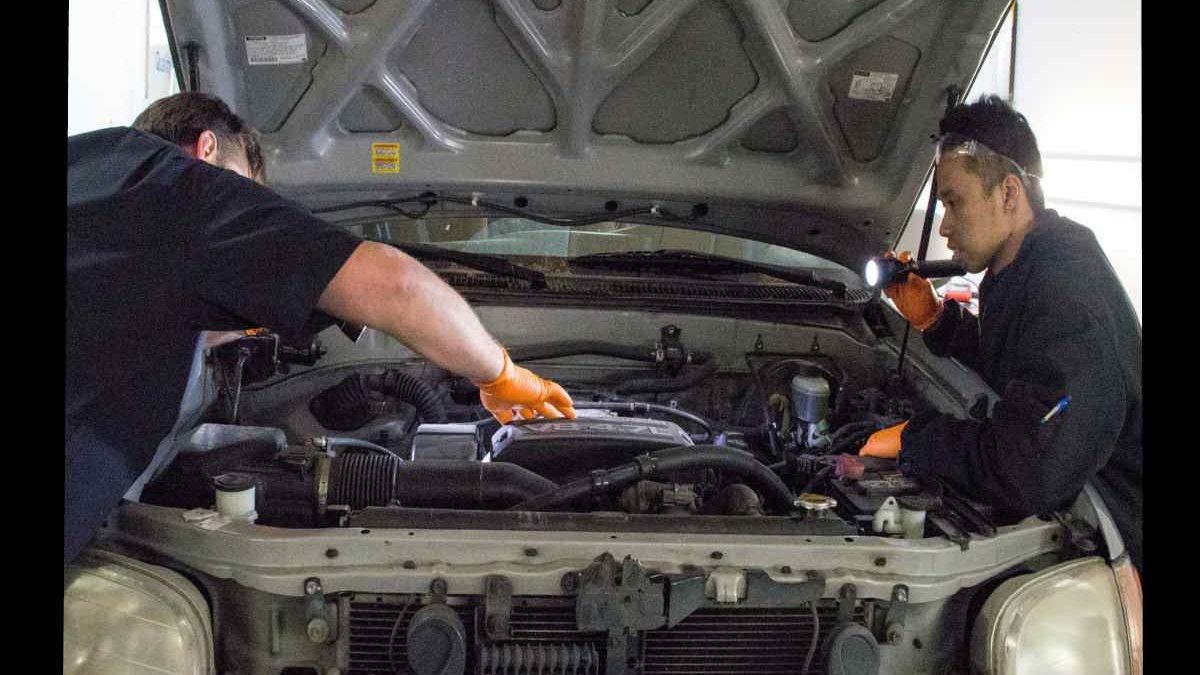
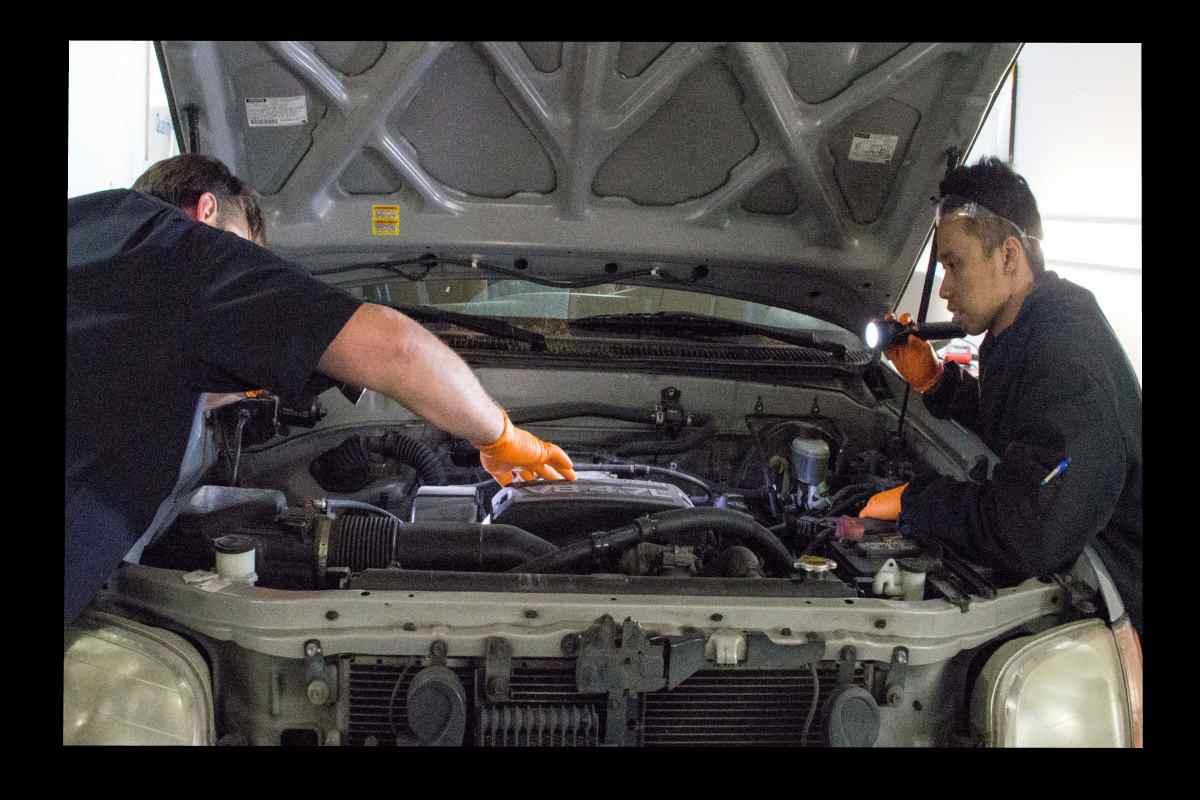
Safe chemical handling begins with understanding the products being used and following the manufacturer’s instructions. Employees should wear appropriate personal protective equipment, such as suitable chemical-resistant gloves, safety goggles, and respirators when required.
For example, black nitrile gloves may be suitable for handling certain automotive chemicals, but no single glove material protects against every substance. Always check the product’s safety data sheet and select protective equipment appropriate for the chemical and the task.
Read the product label carefully before use. Some chemicals must not be mixed with other substances, while others require dilution or special application procedures. The manufacturer’s instructions should explain the potential hazards, recommended protective equipment, and safe handling requirements.
Adequate ventilation is particularly important when using products that release vapours. Keep flammable chemicals away from sparks, flames, hot surfaces, and other ignition sources. Where necessary, use suitable extraction or ventilation equipment to help control exposure.
Spill trays or suitable secondary containment systems can help prevent leaks and spills from spreading. If a spill occurs, follow the product’s safety instructions and the workshop’s emergency procedures. Dispose of unused, expired, or contaminated chemicals according to the manufacturer’s guidance and applicable local regulations.
Safe Storage
Proper chemical storage helps improve both safety and efficiency in an automotive workshop.
Whenever possible, keep chemicals in their original containers. These containers are designed for the product and usually include important identification and hazard information. If a product must be transferred to another approved container, ensure that the container is compatible and clearly labelled.
Every chemical container should be identifiable, and its relevant hazard information should be easy to access. Never store chemicals in food or drink containers, as this can lead to accidental exposure or confusion.
Designate a suitable storage area away from incompatible materials, unnecessary heat sources, and activities that could cause spills or ignition. The area should have appropriate ventilation and suitable spill containment where required.
Some chemicals need special storage arrangements. For example, flammable liquids may require an approved flammable-storage cabinet, while other products may have specific temperature, humidity, or separation requirements. Always follow the manufacturer’s instructions and applicable safety standards.
Using appropriate storage cabinets and an organized inventory system can help staff locate products quickly while reducing the risk of accidental mixing, damage, or exposure.
Safety Training
Employees are essential to maintaining a safe automotive workshop. Every staff member who handles chemicals should understand which products are used, the hazards involved, and the correct procedures for handling and storing them.
Training should cover the following areas:
- Product identification: Employees should know how to read labels and consult safety data sheets.
- Personal protection: Staff should understand when gloves, goggles, protective clothing, or respiratory protection are necessary.
- Spill response: Workers should know how to report spills, use appropriate spill-control materials, and follow emergency procedures.
- Storage and disposal: Employees should understand how to store incompatible products separately and dispose of chemical waste correctly.
- Emergency procedures: Staff should know what to do in the event of accidental exposure, fire, or a chemical release.
Training should be provided before employees begin handling hazardous products and refreshed when procedures or products change. Supervisors should also ensure that safety requirements are followed consistently.
When everyone understands their responsibilities, chemical safety becomes part of the workshop’s everyday working culture.
Using Automotive Chemicals for Cleaning and Paint Protection
Automotive chemicals are used for many purposes, including cleaning vehicle surfaces, repairing damaged areas, applying coatings, and protecting paintwork. Choosing the right product for each task is important for achieving good results without damaging the vehicle or exposing workers to unnecessary hazards.
For example, paint protection products can help preserve a vehicle’s exterior finish. Depending on the product, these may include protective coatings, sealants, or paint protection film applied to suitable surfaces. Workshop staff should follow the product’s instructions for surface preparation, application, ventilation, and curing.
Cleaning products also require careful selection. A suitable bug remover for your car can help remove insect residue from vehicle surfaces, but it should only be used according to the manufacturer’s directions and compatibility recommendations.
Avoid assuming that a chemical suitable for one surface will be safe for another. Some products can damage paint, plastics, rubber, upholstery, or protective coatings if applied incorrectly. Always test products where recommended and use appropriate cleaning tools and protective equipment.
For workshops that also service or maintain different types of vehicles, product selection should take the materials and finishes of each vehicle into account. For example, enthusiasts interested in distinctive bicycle designs, such as Crust bikes, may require different cleaning and care products from those used on conventional automotive paintwork. In every case, product compatibility and the manufacturer’s maintenance recommendations should guide the process.
Get the Auto Shop Chemicals You Need
Organizing your workshop’s chemical supplies is a practical step toward improving safety and efficiency. Start by identifying the products your staff use regularly, checking their condition and expiry information where applicable, and arranging them according to their storage requirements.
Select products based on the tasks your workshop performs, whether that involves cleaning, repairing, painting, sealing, or bonding automotive components. Keep labels readable, safety data sheets accessible, and protective equipment available to employees who need it.
If you require paints, sealants, adhesives, or other workshop supplies, consider purchasing from reputable suppliers that provide clear product information and safe-use instructions. Rogo Fastener is one supplier mentioned for these types of products.
A well-organized chemical storage system, combined with proper training and safe working procedures, can help an auto shop operate more efficiently while reducing unnecessary risks.
Conclusion
Safely using chemicals in an auto shop requires proper handling, suitable protective equipment, appropriate storage, and consistent staff training. Even everyday products such as cleaners, paints, and sealants can create hazards if used incorrectly.
By following manufacturer instructions, maintaining adequate ventilation, separating incompatible products, and preparing for spills or accidental exposure, workshop owners can help create a safer environment for their employees and customers.
Chemical safety should be an ongoing part of workshop management. Regular inspections, updated training, and responsible product selection help protect workers, preserve vehicle surfaces, and support efficient automotive maintenance and repair.