

Table of Contents
Three-Wheel Auto Rickshaw – Definition
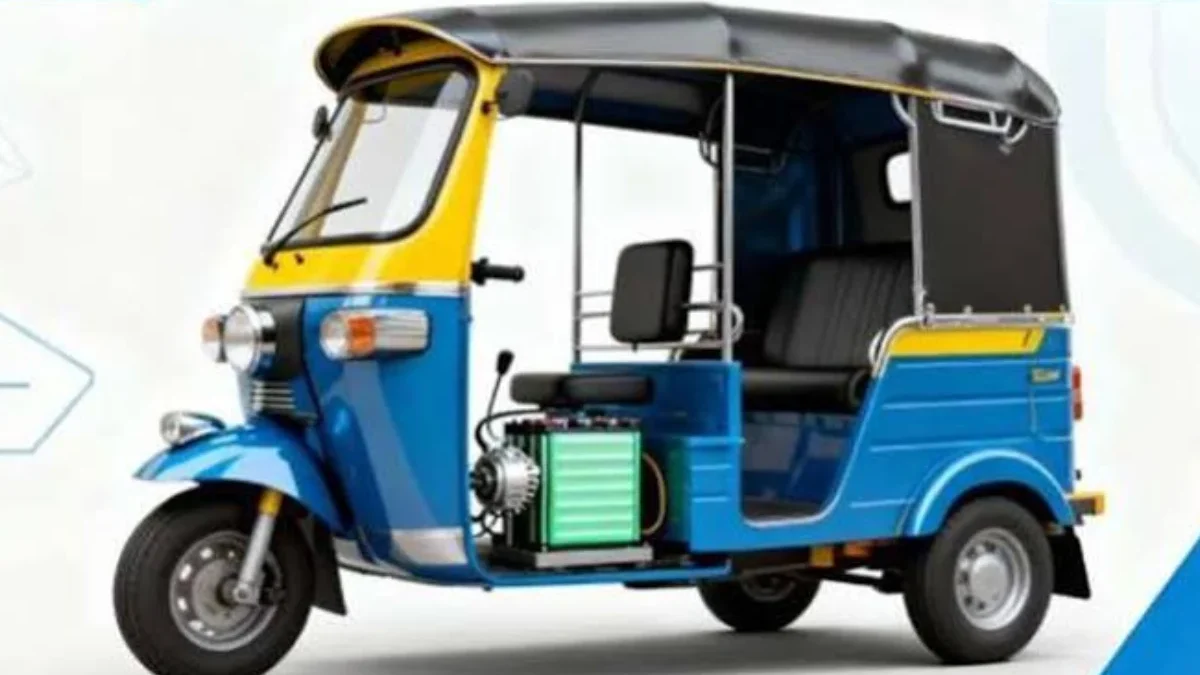
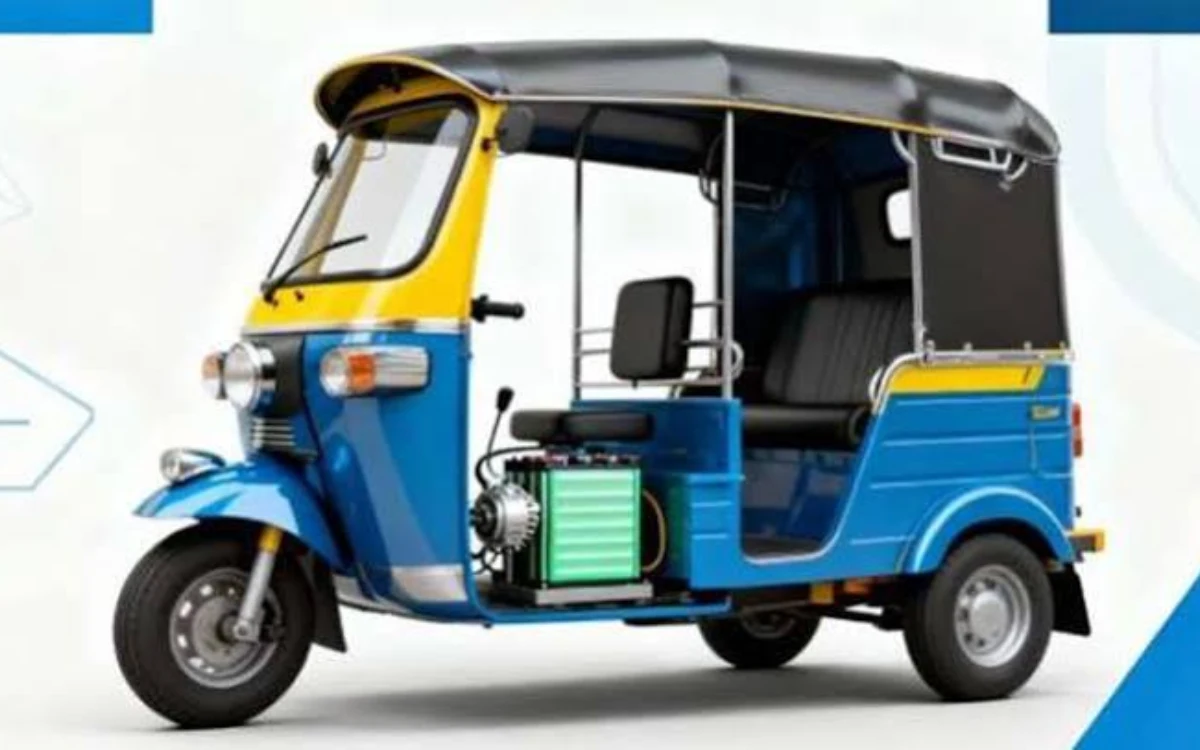
A three-wheel auto rickshaw is a motorized vehicle commonly used for short-distance passenger transportation in India and other countries. It usually has three wheels, a compact design, and seating for a driver and several passengers. Auto rickshaws are widely used because they are convenient for navigating busy streets, reaching narrow roads, and providing affordable point-to-point transportation.
Auto rickshaws play an important role in urban and rural transport networks. They often operate near bus stations, railway stations, markets, and residential areas, connecting passengers to destinations that may not be easily accessible by larger public transport vehicles. Along with taxis, buses, and other local transport services, they help meet everyday travel needs.
Three-Wheel Auto Rickshaw
Auto rickshaws are available in different designs and configurations, including petrol, diesel, compressed natural gas (CNG), and electric models. The choice depends on the intended use, operating costs, fuel availability, and local regulations.
In many cities, auto rickshaws provide an alternative to private cars and conventional taxis. They are also used for shared transportation, allowing multiple passengers travelling in the same direction to share the fare. App-based transport services have further expanded the ways passengers can find and book rides.
Auto rickshaw manufacturers sell vehicles for different passenger and commercial applications. When choosing a model, buyers should compare price, engine specifications, fuel efficiency, passenger capacity, maintenance requirements, and after-sales support.
Three-Wheel Auto Rickshaw Prices in India
The price of an auto rickshaw varies according to its manufacturer, fuel type, features, passenger capacity, and location.
Approximate price of a conventional auto rickshaw: INR 1,50,000 to INR 2,00,000.
Electric rickshaws may fall within a different price range depending on battery capacity, driving range, and available features. Buyers should confirm current prices with authorized dealers because the cost of a new vehicle can vary by model and region.
Auto rickshaws are an important part of public transportation in cities such as Patna. Their use provides a practical option for short-distance journeys, particularly where public transport routes are limited or passengers need direct connections to their destinations.
Studies of auto-rickshaw services commonly consider factors such as driver demographics, working hours, income, travel distance, waiting time, passenger preferences, and fare structures. Understanding these factors helps transport planners assess service quality and the role of auto rickshaws in the local economy.
Features of a Three-Wheel Auto Rickshaw
Depending on the model, common features may include:
- Multi-focal headlamp with a halogen bulb
- Smart console cluster
- Single-touch controls
- LED cabin lamp
- Charging capability on selected models
- Maximum power of approximately 7.5 HP at 3,600 rpm, depending on the engine
- Engine displacement of approximately 395 cc or 435 cc, depending on the model
Specifications vary between manufacturers and vehicle versions. Buyers should consult the manufacturer’s specifications to verify engine power, displacement, mileage, payload, and safety equipment before purchasing.
Benefits of Using an Auto Rickshaw
Auto rickshaws are a familiar sight in towns and cities across India. They provide an accessible transportation option for people who need to travel short distances or reach locations that are difficult to access by bus.
Their compact size, relatively low operating costs, and convenient point-to-point service have made them an important part of the country’s transportation network. They also support the livelihoods of many drivers and small business owners.
Various Benefits of Using an Auto Rickshaw
1. Convenient Public Transport
Auto rickshaws provide point-to-point connectivity and can reach streets and neighbourhoods where larger vehicles may have difficulty operating. They are especially useful for connecting passengers with bus stops, railway stations, workplaces, markets, and residential areas.
2. Efficient Use of Road and Parking Space
Because auto rickshaws are smaller than most passenger cars, they generally require less road and parking space per vehicle. They can also carry several passengers on a single trip, depending on the permitted seating capacity. Their contribution to reducing congestion depends on passenger occupancy, route choices, and local traffic conditions.
3. Affordable Travel
Auto rickshaws are often an economical choice for short journeys. Their smaller size and range of engine options can help keep operating costs manageable, although fares and expenses vary with fuel prices, maintenance requirements, and local regulations.
For commuters who need alternatives to private vehicles, services such as ride-sharing can offer another way to share transport costs and make better use of available passenger capacity.
Environmental Benefits
The environmental impact of an auto rickshaw depends on its fuel type, engine efficiency, maintenance, and usage. Well-maintained vehicles may use less fuel per trip than larger vehicles, particularly when they carry several passengers.
CNG-powered auto rickshaws can reduce certain exhaust emissions compared with some conventional petrol or diesel vehicles. Electric rickshaws produce no exhaust emissions while driving, although their overall environmental impact also depends on how the electricity is generated and how their batteries are manufactured and recycled.
Regular servicing and choosing a suitable fuel or powertrain can help operators manage fuel consumption, emissions, and long-term running costs.
Safety Benefits
Auto rickshaws are compact and often operate at relatively low speeds, making them useful for local travel. However, their smaller size does not automatically make them safer than cars or buses. Passenger safety depends on vehicle design, maintenance, driver behaviour, road conditions, and compliance with applicable regulations.
Buyers should look for appropriate safety equipment and ensure that the vehicle meets local requirements for passenger seating, braking, lighting, and structural protection.
The battery is also an important component of electric and battery-assisted three-wheelers. Choosing a battery that matches the vehicle’s specifications and following the manufacturer’s charging and maintenance instructions can support reliable operation and reduce the risk of battery-related problems.
Best-Mileage Auto Rickshaws
Fuel efficiency is an important consideration for auto-rickshaw owners because it directly affects operating expenses. Conventional models and electric rickshaws each offer different advantages depending on their intended use and local operating conditions.
Electric rickshaws have become increasingly visible in India, particularly for short-distance passenger transportation. Manufacturers such as Mahindra, Bajaj, Kinetic, and Piaggio offer vehicles across different segments of the wider three-wheeler market, although their available models and powertrains vary.
Electric rickshaw prices depend on battery chemistry, battery capacity, motor specifications, vehicle design, and after-sales support. A driving range of approximately 100 to 150 km per charge may be advertised for some models, but the actual distance covered can vary considerably depending on passenger load, road conditions, speed, battery condition, and weather.
Electric three-wheelers can provide an alternative to petrol- or diesel-powered models where charging facilities are available and the vehicle’s range suits the daily route. Lower energy and routine maintenance costs may make them attractive to commercial operators, although battery replacement and charging infrastructure should also be considered.
When comparing mileage and running costs, buyers should examine the manufacturer’s tested figures and consider their typical passenger loads and daily travel distances. A vehicle with a suitable range, reliable service support, and manageable maintenance costs may be more economical over its working life.
Conclusion
Three-wheel auto rickshaws play an important role in local transportation by offering convenient and often affordable travel. Their compact design, range of fuel options, and usefulness for short-distance journeys make them a practical choice for many passengers and commercial operators.
As technology develops, conventional and electric three-wheelers continue to evolve in areas such as efficiency, comfort, and safety. Buyers should compare prices, specifications, fuel economy, battery performance where applicable, and maintenance costs before selecting a vehicle.
For longer journeys, drivers can explore tips for making the most of long drives, while businesses transporting vehicles between locations can learn more about using a car hauler. Understanding the different transportation options available can help individuals and businesses choose the most suitable solution for their needs.
Vehicle owners and operators should also follow applicable safety regulations, keep their vehicles properly maintained, and ensure that passenger capacity and safety equipment comply with local requirements. These measures help support more reliable and responsible auto-rickshaw transportation.