

Table of Contents
Hyundai Tucson – Introduction
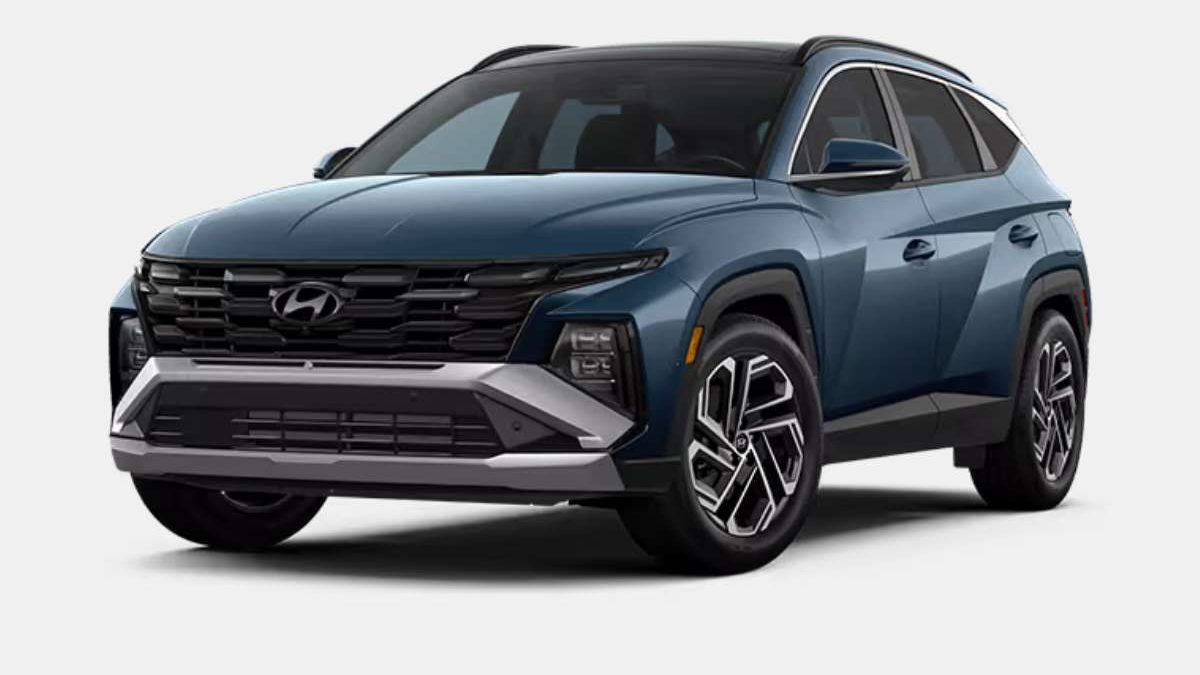
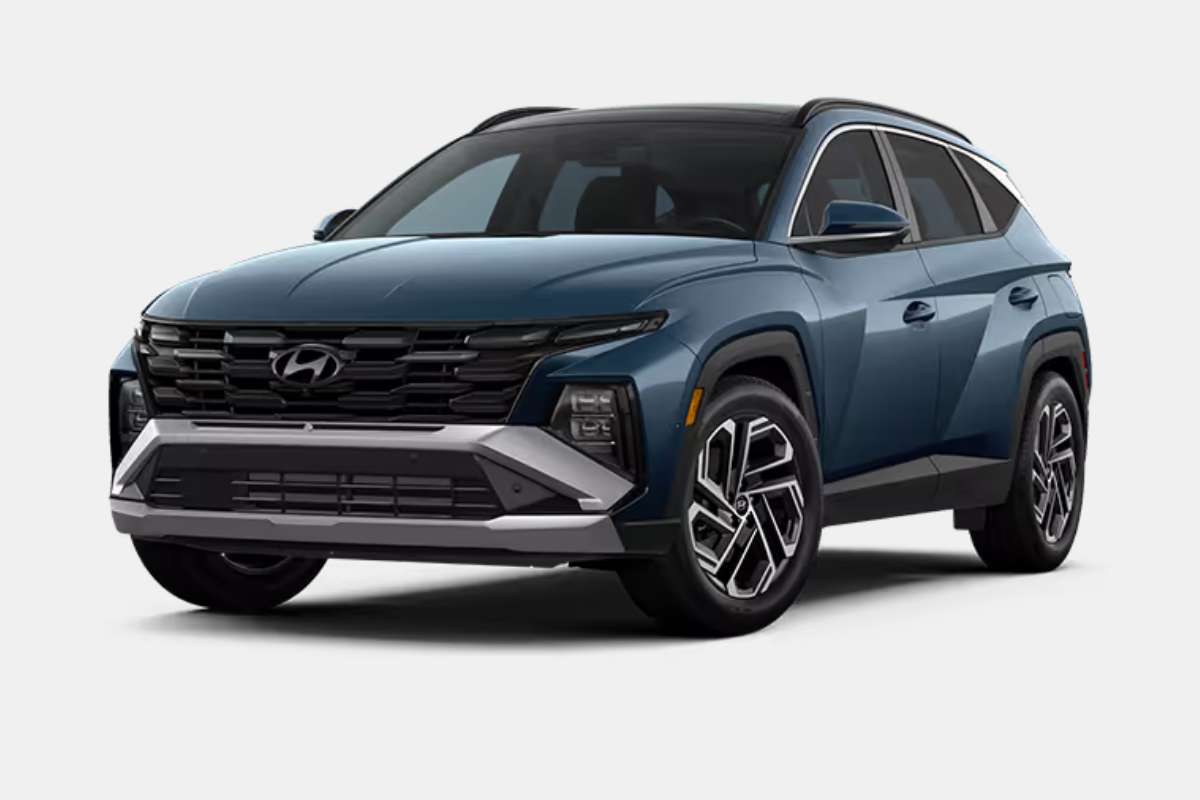
The Hyundai Tucson showcases how the brand has evolved from producing low-priced economy cars to manufacturing stylish, feature-rich cars and SUVs. The 2020 Tucson is one example of this transformation. It sits near the smaller end of Hyundai’s SUV lineup, slightly larger than the Kona and smaller than the Santa Fe.
Like other crossovers in the range, the 2020 Hyundai Tucson features an attractive exterior design, a well-equipped cabin, and a choice of two four-cylinder engines with front-wheel or all-wheel drive. Base models offer plenty of features, including touchscreen infotainment with Apple CarPlay and Android Auto, automated emergency braking, and lane-keeping assist. Higher trims, such as the Limited and Ultimate, provide a more premium experience at a competitive price.
For buyers comparing SUVs with practical utility vehicles, the Mahindra Bolero Camper is another vehicle to consider for its different purpose and design.
Pricing and Which One to Buy
The listed prices for the 2020 Hyundai Tucson trim levels are:
- SE: $24,670
- Value: $26,120
- SEL: $27,070
- Sport: $29,220
- Limited: $30,370
- Ultimate: $33,020
The mid-range SEL is a well-rounded choice, offering many features that SUV buyers appreciate. These include dual-zone automatic climate control, a rear-seat USB port, heated front seats, and SiriusXM satellite radio. It also features 18-inch wheels and silver-painted exterior accents that give the Tucson a more refined appearance.
Prices may vary depending on the market, model year, and vehicle configuration.
Engine, Transmission, and Performance of the Hyundai Tucson
The 2020 Hyundai Tucson offers two four-cylinder engine options: a 2.0-litre engine producing 164 horsepower and a 2.4-litre engine producing 181 horsepower. Both are paired with a six-speed automatic transmission.
The base 2.0-litre engine can feel sluggish during acceleration, particularly when more power is needed. The larger 2.4-litre engine offers additional power, although overall performance depends on driving conditions and vehicle configuration.
The Tucson’s handling is competent rather than sporty. Body roll is reasonably controlled, and the steering is well-weighted, allowing the vehicle to change direction confidently.
Ride comfort is one of its strengths. The suspension absorbs most road imperfections effectively, providing a smooth and refined driving experience. Rather than being excessively sporty or overly soft, the Tucson offers a balanced combination of comfort and handling that suits everyday driving.
Fuel Economy and Real-World MPG
The Tucson’s two four-cylinder engines deliver fuel economy that is broadly average for the compact SUV segment. In testing, an all-wheel-drive model equipped with the 2.4-litre engine achieved 26 miles per gallon, matching its EPA rating.
Actual fuel economy may vary depending on driving style, traffic, road conditions, and vehicle configuration.
Interior, Comfort, and Cargo
The Hyundai Tucson features a well-built cabin with user-friendly controls and a clean, European-inspired design. Although the all-black interior can feel somewhat monochromatic, beige upholstery provides additional contrast.
Cloth upholstery is standard on selected trims, with Hyundai’s YES Essentials fabric designed to resist stains, repel odours, and reduce static. The Limited and Ultimate trims offer leather seating for buyers who prefer a more premium interior.
The rear seats fold flat to increase cargo capacity. In a cargo test, the Tucson accommodated 22 carry-on suitcases with the rear seats folded and seven with the seats in their upright position.
Businesses and buyers interested in vehicles designed for transporting goods may also explore why a goods business needs bakkies.
Infotainment and Connectivity
A touchscreen infotainment system with Apple CarPlay and Android Auto compatibility is standard on the 2020 Tucson. Base versions feature a 7.0-inch touchscreen, while the Limited and Ultimate trims offer an 8.0-inch touchscreen with built-in navigation.
These features provide convenient access to entertainment, smartphone applications, and navigation while driving.
Safety and Driver-Assistance Features of the Hyundai Tucson
The Hyundai Tucson received positive recognition for its crash-test performance from the National Highway Traffic Safety Administration and the Insurance Institute for Highway Safety.
Driver-assistance features provide an additional layer of protection. Depending on the trim and equipment, the 2020 Tucson offers features such as automated emergency braking, lane-keeping assist, and adaptive cruise control.
Key safety features include:
- Standard automated emergency braking on applicable configurations.
- Standard lane-keeping assist on applicable configurations.
- Available adaptive cruise control.
The availability of individual features depends on the model, trim, and market.
Warranty and Maintenance Coverage
Hyundai offers warranty coverage designed to provide buyers with additional peace of mind. For the US-market 2020 Tucson, the listed coverage includes:
- Limited warranty: Five years or 60,000 miles.
- Powertrain warranty: Ten years or 100,000 miles for eligible original owners.
- Complimentary maintenance: Three years or 36,000 miles.
Warranty terms and maintenance coverage can vary by country, ownership status, and vehicle eligibility.
Forward Collision-Avoidance System Issues
Some newer Hyundai models feature Forward Collision-Avoidance Assist, a driver-assistance system designed to help prevent or reduce the severity of frontal collisions.
Some 2019 Tucson owners reported concerns about the system’s response to potential collisions. In certain cases, drivers reported that the system did not respond as early as expected, even when the warning setting was configured for an early alert. Some also expected multiple warnings before the system intervened with braking.
The operation of such systems depends on road conditions, sensor performance, and the circumstances of a potential collision. Drivers should remain attentive and be prepared to apply the brakes when needed.
Hyundai has issued technical service information for certain vehicle concerns over the years. Owners should check whether any relevant service bulletins, software updates, or recalls apply to their specific vehicle.
Acceleration Troubles
Difficulty accelerating has been reported by some owners of 2016, 2017, and 2018 Hyundai Tucson models. Symptoms described include delayed acceleration after coming to a stop, an unresponsive accelerator, and a noticeable delay before the engine increases speed.
Certain transmission-related issues have prompted technical service actions and recalls affecting specific vehicles. However, not every Tucson has these problems, and the relevant repairs depend on the model, production date, and vehicle identification number.
Used-car buyers should check the vehicle’s service history and recall status. If a Tucson experiences delayed acceleration, it should be inspected by a qualified technician before continued use.
Conclusion
The Hyundai Tucson has been part of the automotive market since 2004 and has evolved through several generations. The 2020 model combines attractive styling, a comfortable interior, useful technology, and a choice of four-cylinder engines.
However, buyers considering a used Tucson should pay attention to the model year, engine, transmission, service history, and any reported issues. Checking the vehicle’s maintenance records and confirming whether applicable recalls have been completed can help reduce the risk of unexpected repairs.
Choosing the right used vehicle requires careful research and comparison. For readers interested in exploring other vehicles with different designs and capabilities, The Grand Truck Face-Off: Unveiling Chevrolet and Mercedes provides another perspective on comparing vehicles and their features.