

Table of Contents
Electric Trucks – Explaining
Introduction
Electric trucks are an emerging solution for reducing tailpipe emissions and local air pollution in the transportation and shipping industries. They use electric motors instead of conventional internal combustion engines and can be suitable for many delivery, commercial, and pickup-truck applications.
However, electric trucks also face several challenges. Large vehicles require substantial battery capacity, and the cost of their batteries can make them more expensive to purchase than comparable diesel-powered trucks. Although government incentives can help reduce the initial cost, they may not completely offset the price difference for every vehicle or fleet.
Understanding why electric trucks cost more, how they operate, and where they can be used helps explain their growing importance in the automotive industry. As manufacturers introduce more models, electric trucks are becoming an increasingly important part of the transition toward electric transportation.
The Birth of the Electric Vehicle
The invention of the electric vehicle cannot be attributed to a single person or country. Instead, it resulted from a series of developments in batteries, electric motors, and vehicle engineering during the 19th century.
In the early 1800s, inventors and researchers in Europe and the United States began experimenting with battery-powered transportation. Innovators in Hungary, the Netherlands, and other countries contributed to the development of early electric motors and small experimental vehicles.
Robert Anderson, a Scottish inventor, is often associated with an early electric carriage developed during this period. Later in the 19th century, improvements in rechargeable batteries helped make practical electric vehicles possible.
In the United States, William Morrison, a chemist from Des Moines, Iowa, developed a notable electric vehicle during the 1890s. His six-passenger vehicle could reportedly reach speeds of approximately 14 miles per hour, demonstrating the potential of electricity as a means of transportation.
By around 1900, electric vehicles had gained considerable attention in several markets. Electric taxis operated in cities such as New York, and electric cars represented a significant share of vehicles on the road in the United States.
Although petrol-powered cars eventually became dominant, electric vehicle technology continued to develop. Today, improvements in battery capacity, charging infrastructure, and electric motors have helped bring electric cars, vans, buses, and trucks back into the mainstream.
How Do Electric Trucks Work?
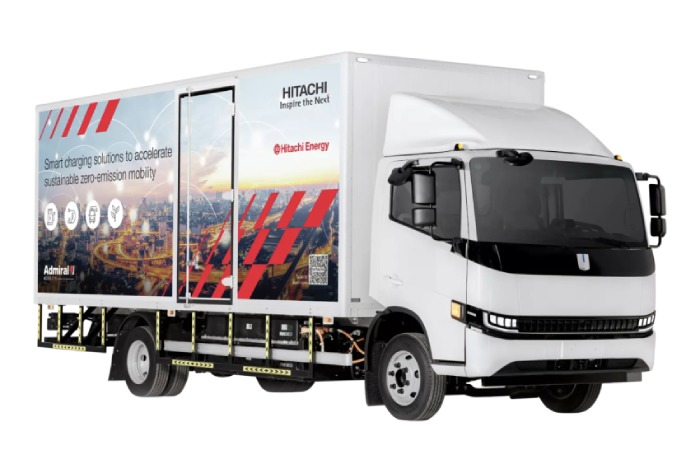
Electric trucks operate using electric motors rather than conventional petrol or diesel engines. Most battery-electric trucks store energy in a rechargeable battery pack that supplies electricity to the motors.
The battery can be recharged by connecting the vehicle to a compatible charging station or other suitable power supply. Depending on the truck and its intended use, charging may take place at a depot, workplace, home, or public charging location.
Electric trucks generally contain several important components that work together to move the vehicle.
Main Components of an Electric Truck
- Traction battery: The main high-voltage battery stores the electricity used to power the electric motors and move the truck.
- Electric motor: The motor converts electrical energy into mechanical power, driving the wheels.
- Auxiliary battery: A separate low-voltage battery supplies power to systems such as lights, electronic controls, and other accessories.
- Charge port: The charge port connects the vehicle to an external power source so its battery can be recharged.
- Power electronics: These components regulate the flow of electricity between the battery, motor, and other electrical systems.
- Regenerative braking: This system can recover some energy when the vehicle slows down and return it to the battery.
Together, these components allow electric trucks to deliver power efficiently and operate without producing tailpipe emissions while driving. Their total environmental impact also depends on how the electricity is generated and how the vehicle and battery are manufactured.
Uses of Electric Trucks
The range of battery-electric pickup trucks and commercial vehicles has expanded as manufacturers develop alternatives to conventional petrol and diesel models. Examples include the Ford F-150 Lightning and Rivian R1T, while other manufacturers have introduced or announced electric pickups for different markets.
For more information about a prominent electric pickup, see this overview of the Ford F-150 Lightning.
Electric trucks can be useful for several purposes, including:
- Urban deliveries: Electric delivery trucks can operate in towns and cities without producing tailpipe emissions.
- Commercial transportation: Businesses can use electric trucks for suitable regional transport and regular delivery routes.
- Construction and work sites: Electric pickups can carry tools, equipment, and supplies, depending on their payload and towing capabilities.
- Fleet operations: Companies with predictable routes and access to depot charging may find electric trucks suitable for repeated daily journeys.
- Personal transportation: Electric pickup trucks can offer passenger comfort, cargo space, and utility for everyday use.
The suitability of an electric truck depends on its battery range, charging access, payload, towing requirements, and operating costs. Trucks that regularly travel long distances or carry particularly heavy loads may require more careful route and charging planning.
Electric transportation also extends beyond pickups and heavy-duty trucks. Vehicles such as the 2025 Volkswagen ID. Buzz demonstrate how electric powertrains can support passenger transportation and practical everyday travel in a different vehicle format.
Why Are Electric Trucks Becoming More Popular?
Pickup trucks have traditionally been popular with contractors, tradespeople, businesses, and families. Their combination of passenger space, cargo capacity, and towing capability makes them useful for both work and personal activities.
Over time, many pickups have also gained more comfort and technology features. As a result, they can serve as family vehicles as well as work vehicles.
Electric pickups aim to retain these practical benefits while introducing electric propulsion. Instant motor response can provide strong acceleration and useful pulling power, while regenerative braking can recover some energy during deceleration.
Electric trucks can also offer lower routine powertrain maintenance requirements than comparable combustion-engine vehicles. However, purchase prices, electricity costs, insurance, tyres, repairs, and charging installation expenses all affect the overall cost of ownership.
For fleet managers, another important consideration is whether a truck can complete its working day on the available battery charge. Vehicles with predictable routes, scheduled breaks, and access to reliable charging infrastructure may be easier to integrate into existing operations.
Electric Pickup Trucks Are No Longer Just a Concept
Electric pickups have moved beyond the experimental stage, with established automakers and newer manufacturers developing vehicles for different customer needs.
Several well-known models and projects have helped draw attention to the segment, including:
- Bollinger B2: An electric pickup concept associated with a rugged, utility-focused design.
- Chevrolet Silverado EV: An electric pickup developed by Chevrolet.
- GMC Hummer EV Pickup: An electric truck designed around performance, off-road capability, and distinctive styling.
- Ford F-150 Lightning: An electric version of Ford’s established F-150 pickup.
- Rivian R1T: An electric pickup designed for everyday use and outdoor activities.
The availability, specifications, pricing, and production status of individual models vary by model year and market. Buyers should check current manufacturer information before deciding which electric truck best suits their needs.
Lordstown Motors Endurance: A Challenging Electric Truck Project
The Lordstown Endurance was developed as an electric pickup aimed at commercial customers. The project attracted attention because it promised an alternative to conventional work trucks, with electric drive technology and a utility-focused design.
The company proposed a truck with a battery capacity of approximately 70 kWh and an estimated driving range of more than 250 miles. Its planned specifications also included four in-wheel electric motors, all-wheel drive, and strong torque output.
However, the project faced significant financial and production difficulties. Lordstown Motors disclosed substantial uncertainty about its ability to continue operating, and its plans changed as the company confronted the challenges of bringing an electric pickup to market.
The Endurance illustrates the difficulties faced by new automotive manufacturers. Developing a promising vehicle is only one part of the process; companies must also establish reliable production, secure funding, meet regulatory requirements, and build customer confidence.
The First Rivian R1T Customer Vehicles
Rivian was another major entrant in the electric pickup market. In September 2021, the company announced that its first customer R1T pickup had left the production line at its factory in Normal, Illinois.
This milestone represented an important step in bringing an electric pickup from development into customer hands. The R1T combined an all-electric powertrain with a pickup bed, passenger seating, storage solutions, and features aimed at drivers who wanted a vehicle for both everyday use and outdoor activities.
The arrival of customer vehicles also highlighted the importance of production capability in the emerging electric truck market. Manufacturers need to deliver vehicles consistently, provide after-sales support, and develop charging and service solutions that meet customers’ needs.
Electric Trucks, Charging, and Ownership Requirements
Charging infrastructure plays a major role in the practicality of electric trucks. Owners may charge at home, at a business depot, or at public charging stations, depending on the vehicle and their location.
For commercial fleets, depot charging can be especially useful when vehicles return to the same location each day. Long-distance operators, on the other hand, may need access to suitable high-power charging stations along their routes.
Electric truck owners should also consider local vehicle registration rules, insurance requirements, charging installation standards, and any incentives available in their area. These requirements vary from one country or region to another.
Some jurisdictions provide distinct registration or number-plate arrangements for electric vehicles. To understand this topic in more detail, read about the benefits of using EV number plates.
Before purchasing an electric truck, it is sensible to evaluate the vehicle’s range, charging time, payload, towing capacity, warranty, and access to maintenance services. A truck that works well for short urban routes may not be the best choice for long-distance hauling, so matching the vehicle to its intended use is essential.
Conclusion
Electric trucks are an increasingly important development in the automotive industry. They offer the potential to reduce tailpipe emissions, deliver responsive performance, and support a wide range of commercial and personal transportation needs.
However, battery costs, charging infrastructure, driving range, payload limitations, and purchase prices remain important considerations. Manufacturers are working to make electric trucks more practical and accessible, while businesses and fleet operators are learning how to integrate them into their operations.
As technology advances and more models become available, electric trucks could play a growing role in freight transportation, local deliveries, construction, and everyday driving. The best option will depend on the driver’s needs, available charging facilities, and the overall cost of ownership.